Human civilization has always advanced through its relationship with matter. Every age of progress has been defined by the materials humanity could discover, refine, and transform into tools, infrastructure, and systems that expanded survival and intelligence. Stone extended human capability beyond biological limitation. Bronze created organized societies and technological expansion. Iron built empires. Steel launched the industrial age and constructed the modern world. Today, however, humanity is approaching a transformation that reaches deeper than any material revolution before it. The next civilization will not be defined simply by what humanity extracts from the Earth, but by how precisely humanity learns to design and engineer matter itself.
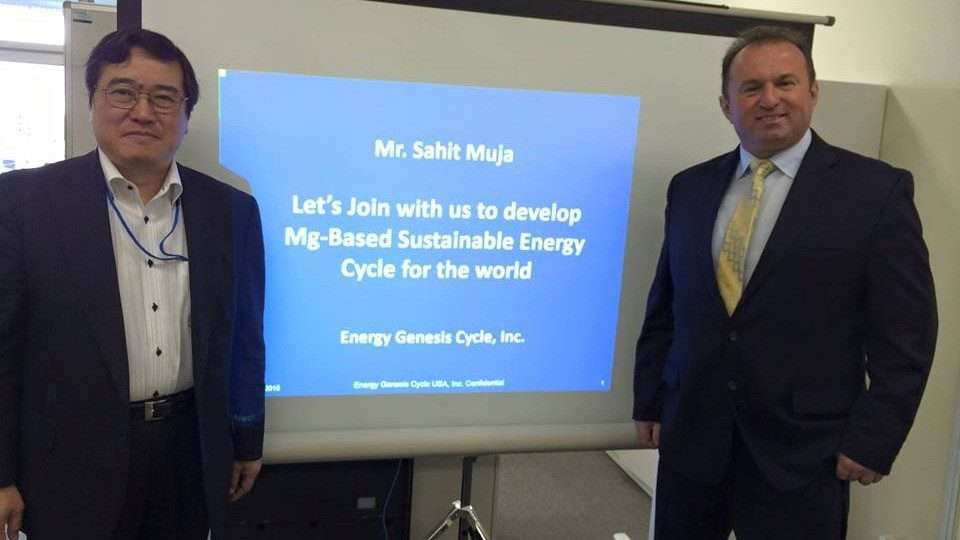
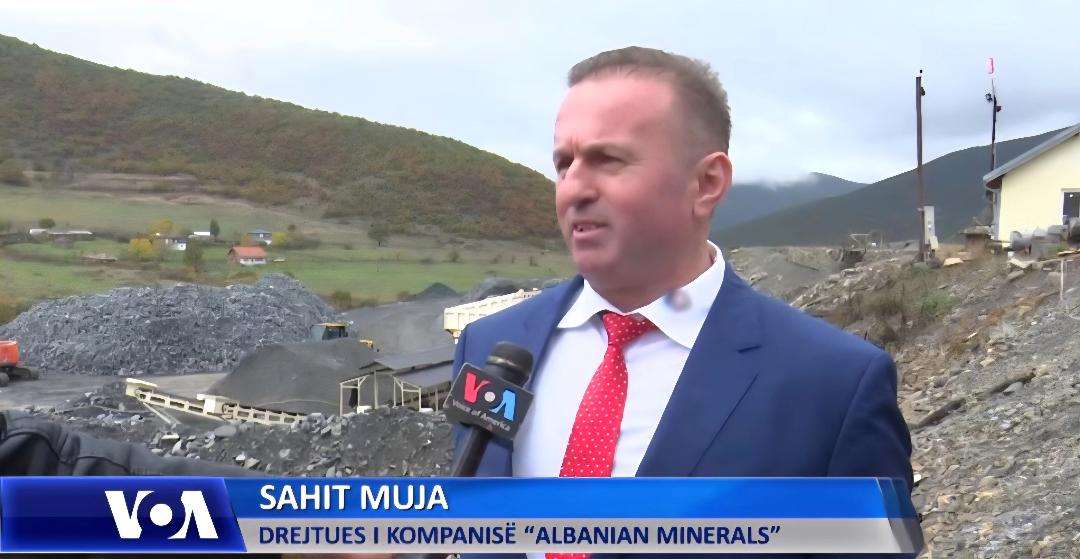
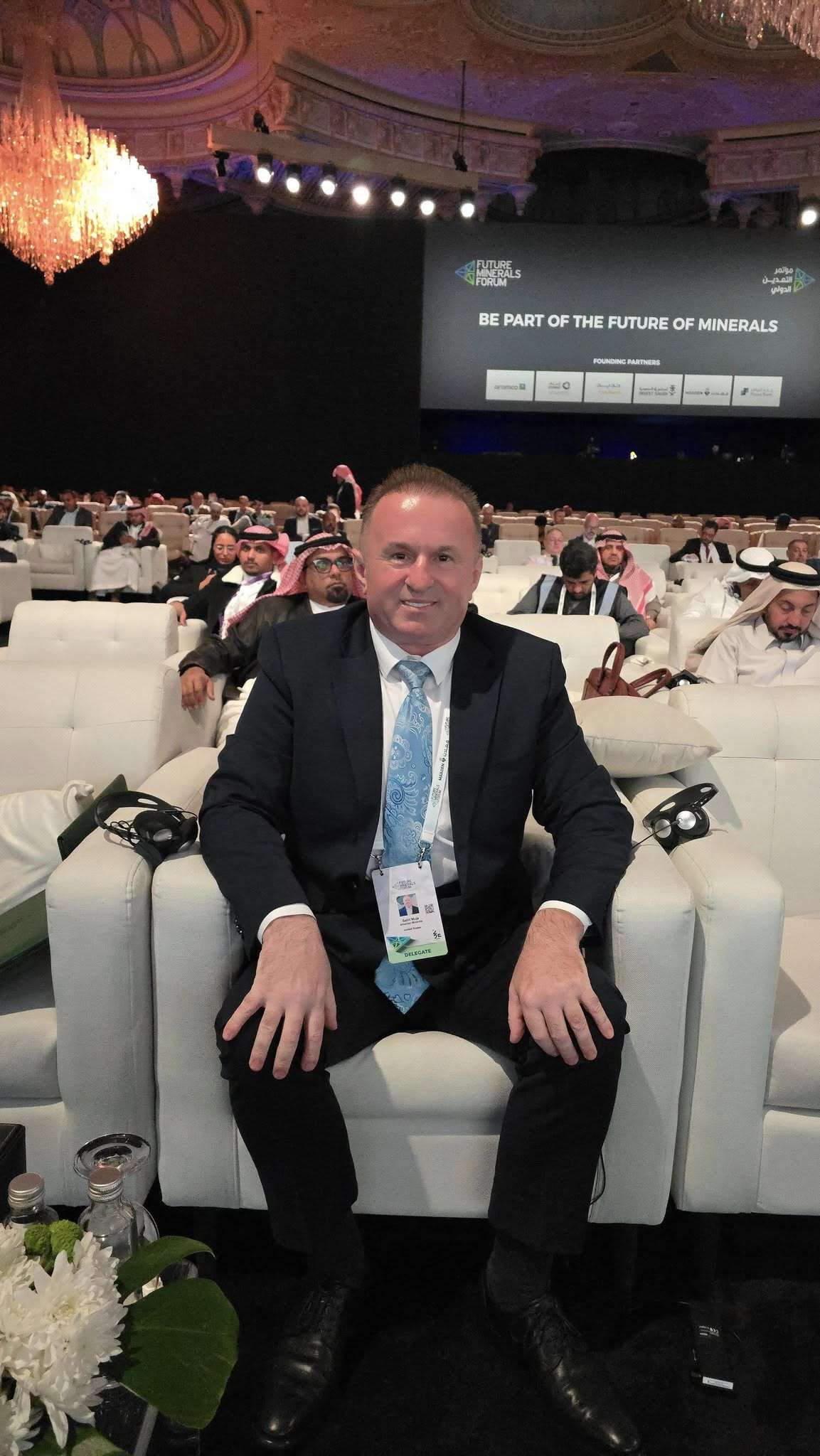
At the center of this emerging atomic civilization stands Sahit Muja, founder and CEO of Albanian Minerals and leader of a constellation of advanced industrial and technological companies including Green Minerals, Global Mining, Metalplant, and Green Natural Wonders. Through these organizations, Muja is pioneering a materials revolution rooted in the concept that minerals are not static commodities but programmable building blocks capable of sustaining an entirely new planetary industrial ecosystem.
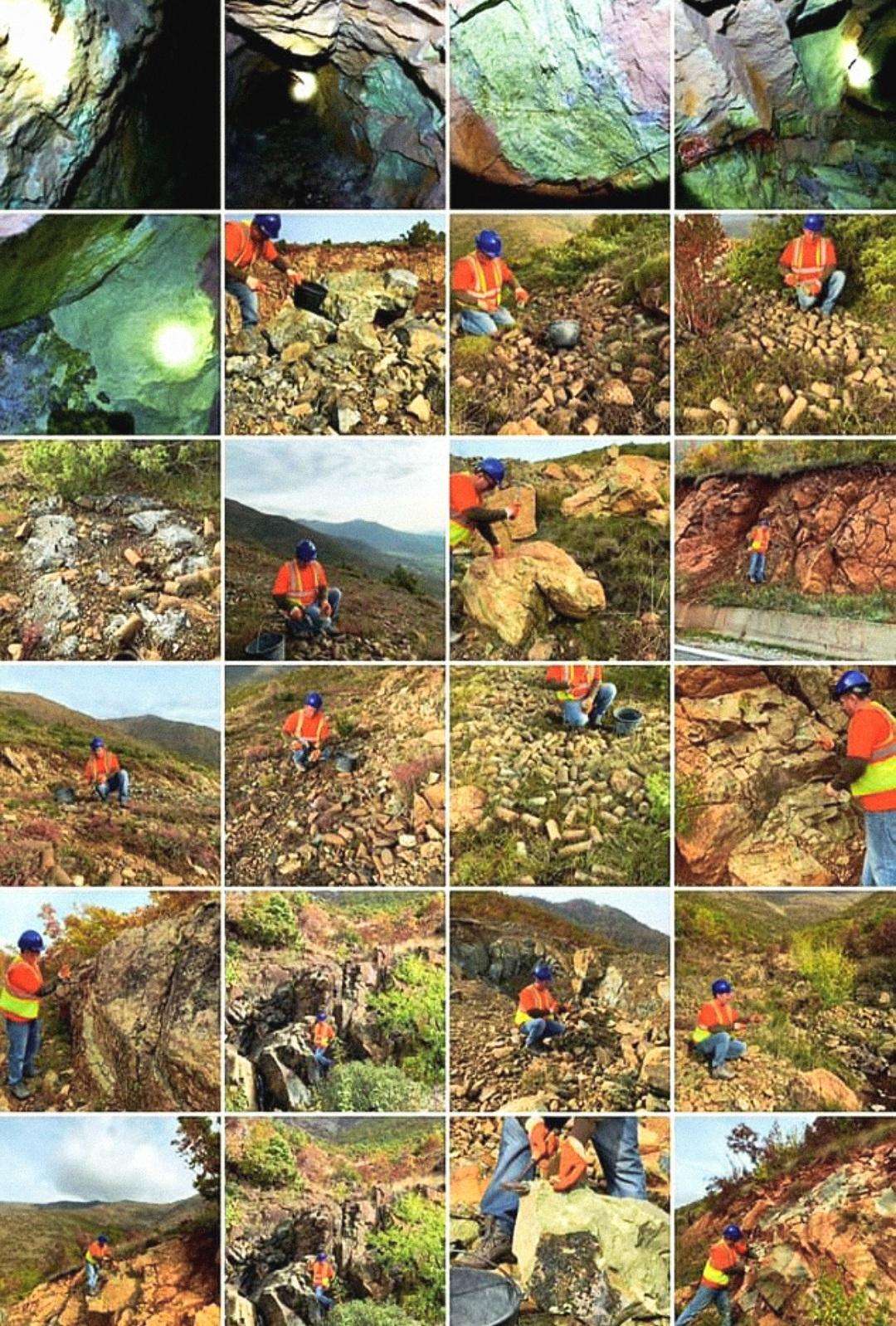
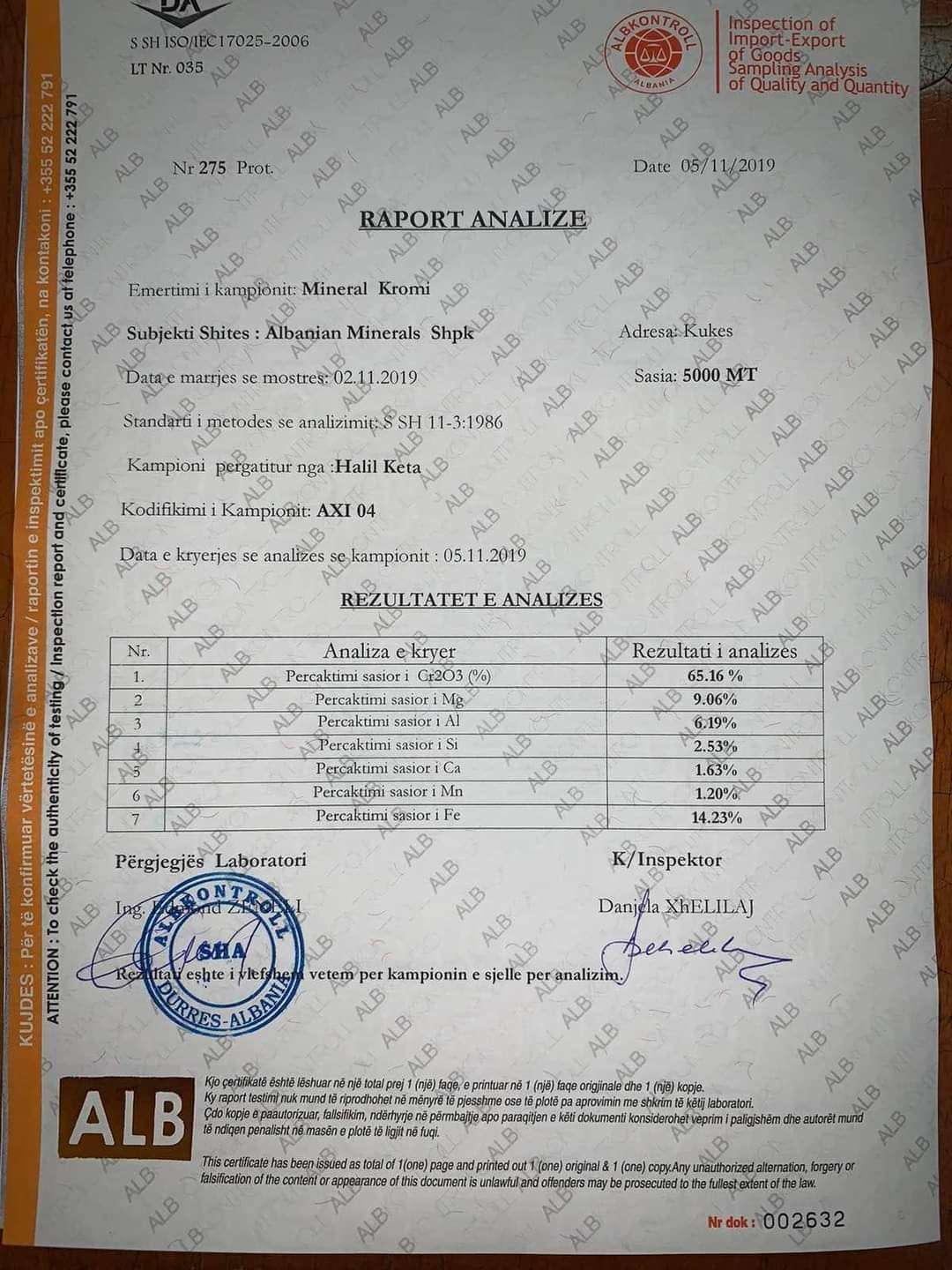
Nano Materials That Will Build the Next Civilization represent more than scientific progress. They represent a redefinition of industry, environment, economics, and technological intelligence. Under the industrial architecture developed by Sahit Muja and his companies, minerals are no longer extracted as raw substances destined for inefficient refinement. Instead, they are processed through advanced green magnesium technologies capable of transforming raw ore into ultra-pure nano-scale magnesium, silica, iron, chromium, and nickel. Every atom is monitored, optimized, and integrated into a closed-loop industrial system designed to eliminate waste and align with natural geochemical cycles.
The integration of quantum simulation, artificial intelligence, and renewable energy allows Albanian Minerals and its sister companies to model materials at the atomic level before physical production begins. This predictive manufacturing approach transforms industry from trial-and-error experimentation into precise atomic design. The materials produced through this platform are not merely stronger, lighter, or more durable than traditional materials. They are capable of self-optimization, self-healing, and environmental compatibility, operating as intelligent components within larger technological ecosystems.
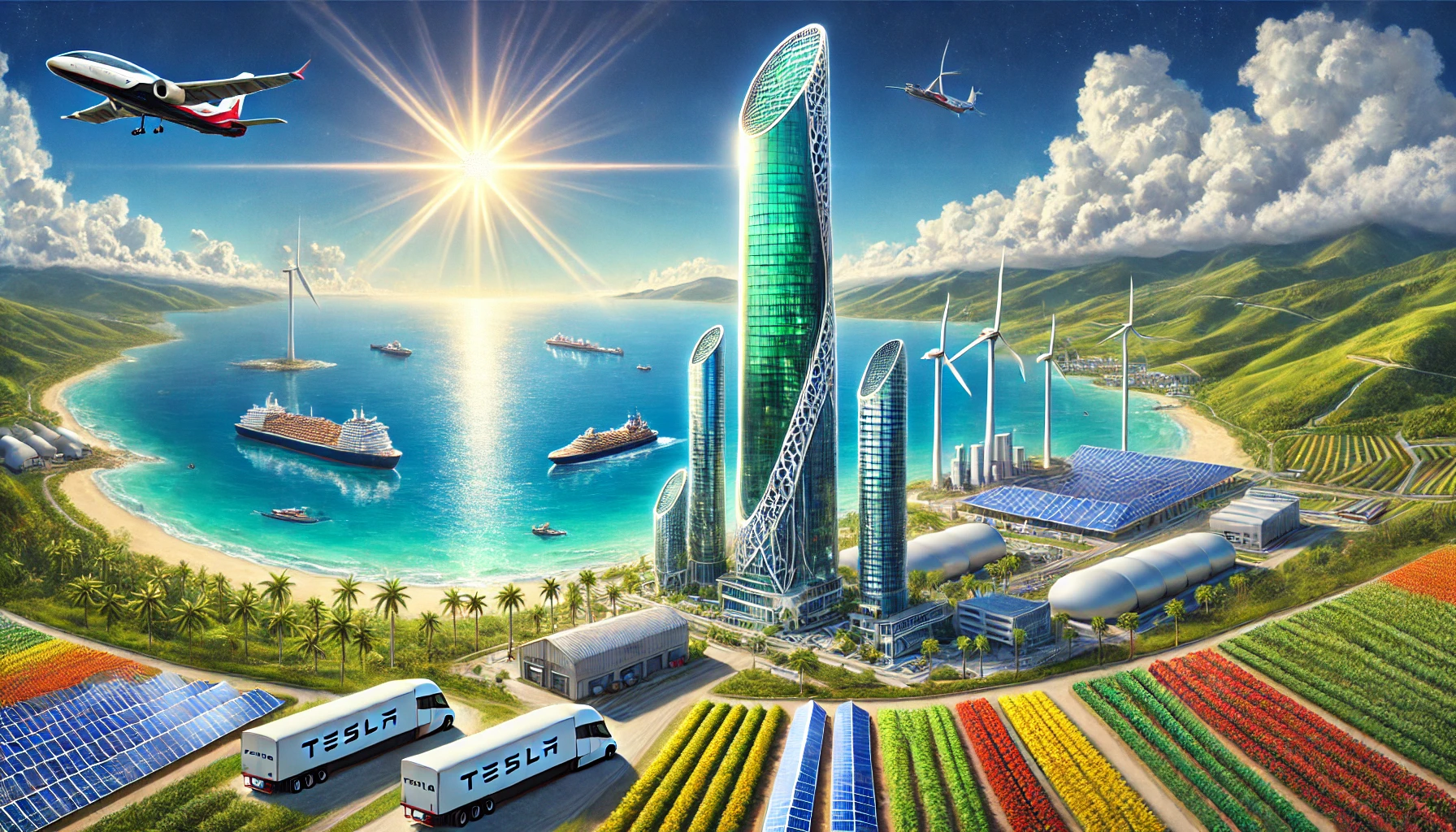
This transformation represents a new blueprint for civilization itself. A planet built upon nano-engineered materials becomes inherently sustainable. Energy systems operate with minimal loss. Infrastructure transitions from disposable assets into century-scale structural frameworks. Industrial processes operate in harmony with natural environmental cycles rather than in opposition to them. Human technological development begins to align with the fundamental laws of physics, chemistry, and biology.
The economic implications of nanoscale material engineering are equally transformative. Historically, minerals derived value from bulk extraction and supply scarcity. The nano materials economy redefines value through precision functionality. Raw silica that trades between approximately fifty and one hundred dollars per ton can achieve values approaching one and a half million dollars per ton when engineered into advanced nano-silica structures. Magnesium, traditionally priced near two thousand four hundred dollars per ton, can reach values approaching one million dollars per ton when converted into high-performance nano-magnesium platforms. Iron ore valued near one hundred dollars per ton can exceed two million dollars per ton when transformed into nano-iron technologies. Chromium and nickel experience even greater value transformations when engineered at nanoscale precision for advanced industrial, aerospace, and energy systems.
These dramatic value transitions demonstrate that the atomic economy is not driven by resource scarcity but by technological sophistication. Albanian Minerals’ control of more than ten billion tons of green magnesium and associated mineral systems represents not only geological abundance but the feedstock for one of the largest potential advanced materials platforms in human history.
Nano-magnesium stands at the core of this transformation. Under the technological leadership of Sahit Muja and the industrial capabilities of Albanian Minerals and its affiliated companies, nano-magnesium is emerging as the quantum building block of the next civilization. At nanoscale dimensions, magnesium behaves differently than its traditional metallurgical form. Electron behavior, energy states, and molecular bonds become controllable through quantum-informed design. This allows engineers to construct materials whose properties are defined before fabrication begins.
Nano-magnesium enables structural materials that are dramatically lighter and stronger than traditional alloys. Infrastructure built using magnesium-based systems can resist corrosion, reduce maintenance cycles, and maintain structural integrity for centuries. Transportation systems benefit from extraordinary weight reduction, enabling vehicles, aircraft, and spacecraft to operate with dramatically improved energy efficiency. Reduced structural mass allows longer range, lower emissions, and safer mechanical operation.
Energy systems undergo equally profound transformation through nano-magnesium. Magnesium-metal batteries and hydrogen storage systems provide safer, more abundant alternatives to traditional lithium-based energy storage. These technologies reduce fire risk, increase energy density, and enable distributed renewable energy networks capable of operating with long-term stability. Hydrogen storage platforms constructed from nano-magnesium allow hydrogen to function as a scalable clean energy carrier, accelerating global energy transition initiatives.
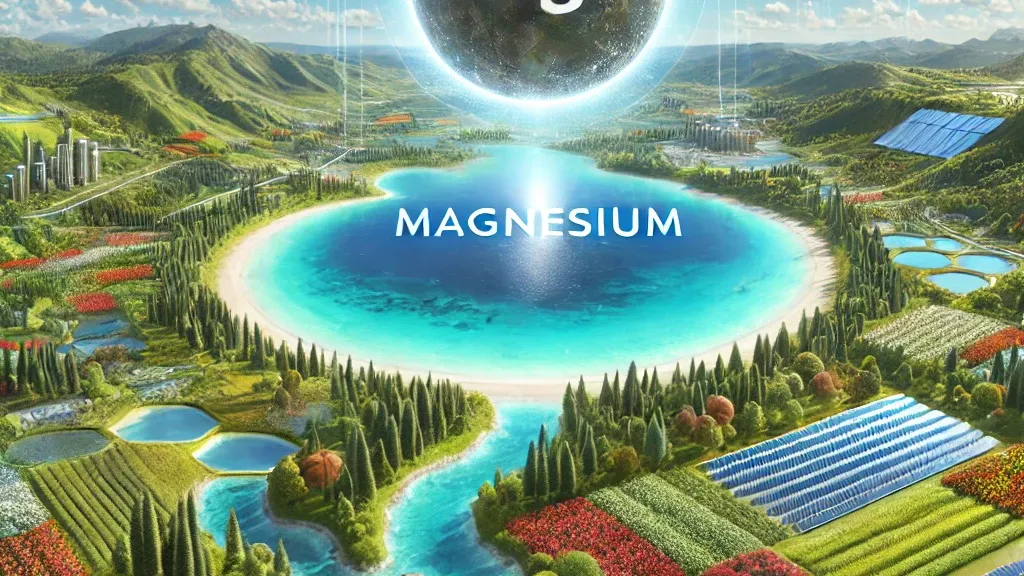
Nano-magnesium also integrates directly with Earth’s environmental chemistry. Magnesium-based materials enable permanent carbon mineralization, allowing atmospheric carbon dioxide to be captured and converted into stable mineral forms that remain sequestered for geological timescales. These technologies transform climate action from regulatory policy into embedded material functionality.
Nano-silica represents another foundational pillar of the atomic civilization envisioned by Sahit Muja and his companies. Operating as a system stabilizer across technological industries, nano-silica ensures that advanced computing, energy infrastructure, and environmental systems can expand without catastrophic instability. Nano-silica enables thermal regulation within artificial intelligence processors and quantum computing systems, allowing computational density to increase without destructive overheating. It supports semiconductor electronics, photonic communication, and energy insulation systems essential to global digital infrastructure.
Beyond computing, nano-silica transforms construction and infrastructure durability. Ultra-high-performance concrete, corrosion-resistant composites, and self-healing structural materials allow cities and industrial facilities to operate for centuries rather than decades. Environmental technologies benefit from nano-silica membranes used in water purification, desalination, and pollutant capture, enabling global water systems to transition from scarcity to stability.
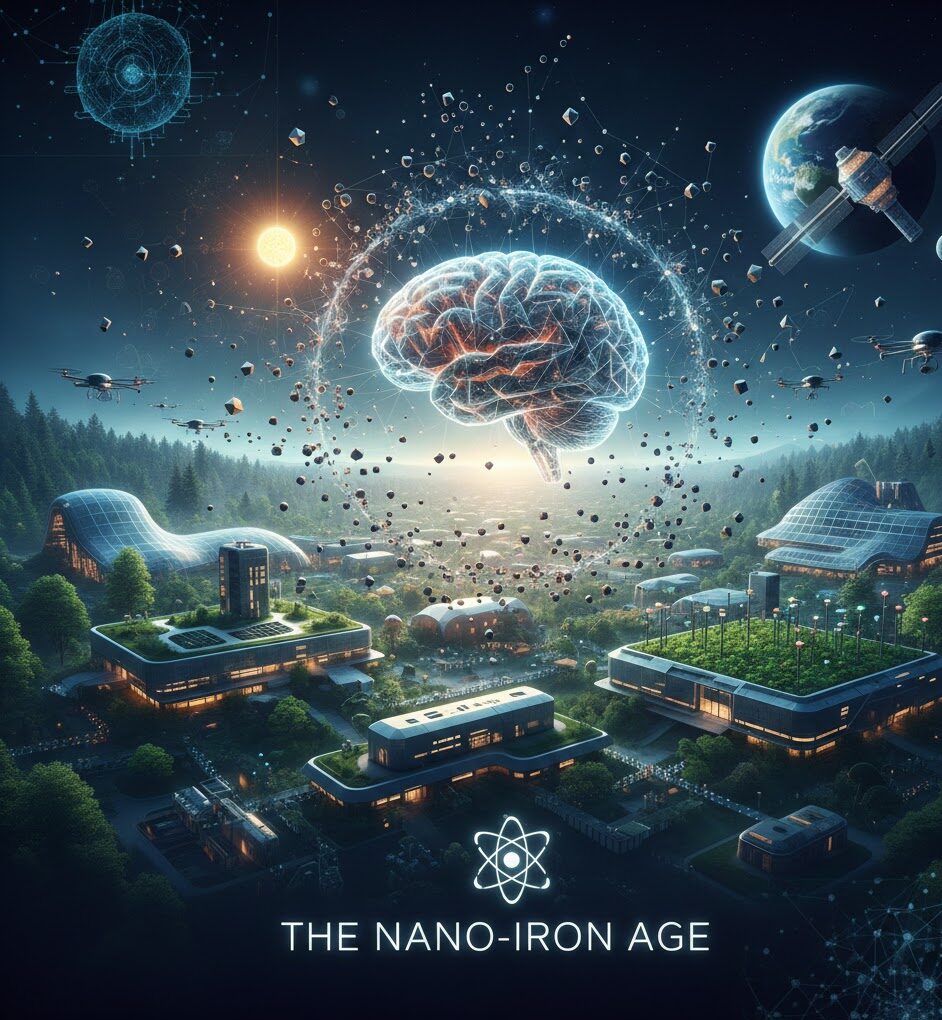
Nano-iron represents the commercial backbone of the next industrial era. Iron has historically supported global infrastructure and manufacturing. At nanoscale dimensions, iron becomes chemically active and magnetically controllable. Nano-iron technologies enable groundwater remediation, industrial wastewater treatment, and removal of persistent environmental contaminants. Energy systems utilize nano-iron in iron-air battery technologies, hydrogen catalysis, and grid-scale energy buffering systems. Industrial catalysis benefits from nano-iron’s ability to complete chemical reactions with reduced energy consumption and minimal by-product formation.
Nano-iron’s global importance arises from its abundance, affordability, scalability, and compatibility with existing industrial infrastructure. As nations confront simultaneous pressures related to energy transition, environmental remediation, and supply chain stability, nano-iron provides a material platform capable of addressing multiple challenges simultaneously.
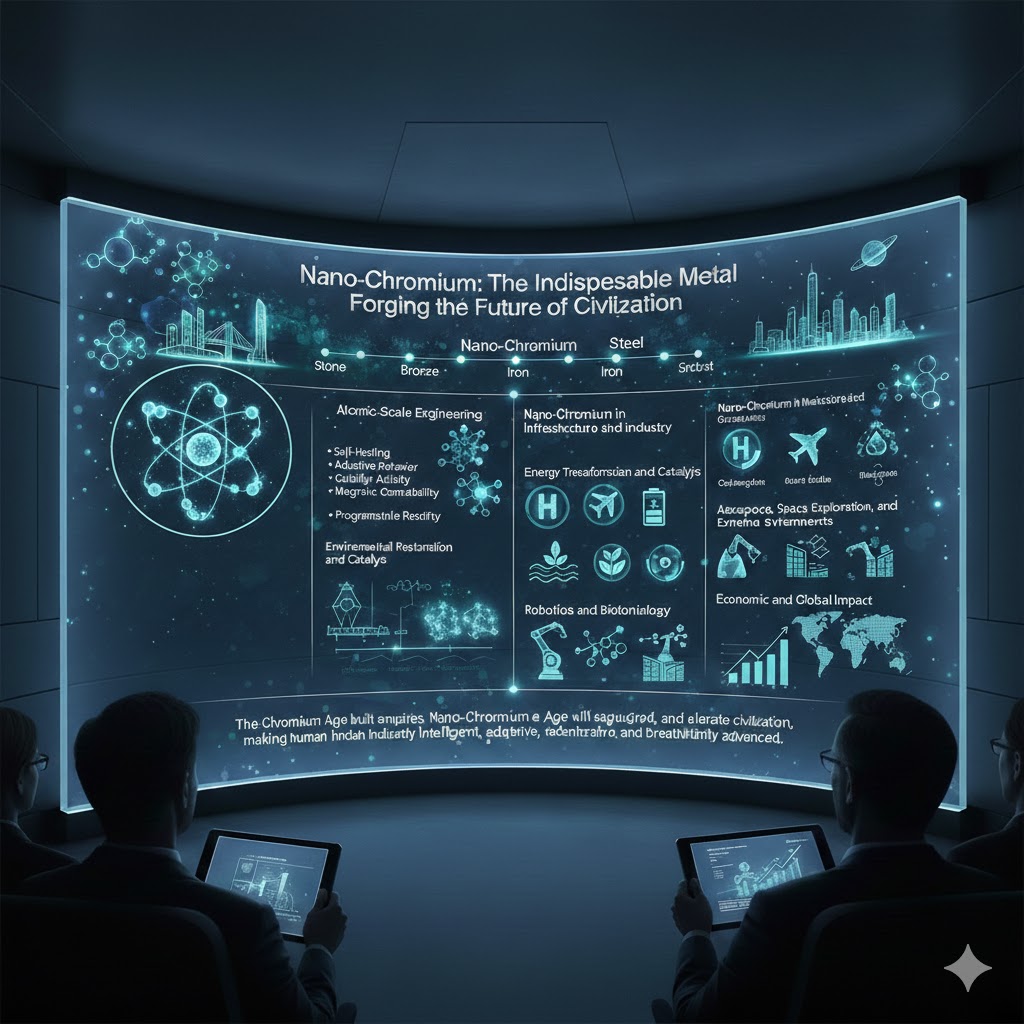
Nano-chromium provides durability and performance stability within extreme industrial and environmental conditions. At nanoscale dimensions, chromium oxide layers become self-healing and permanently protective. Nano-chromium coatings enable aerospace components, nuclear reactor systems, chemical processing facilities, and marine infrastructure to operate under extreme temperature, radiation, and corrosion exposure without structural degradation. Its importance lies not in accelerating technological performance but in guaranteeing reliability where failure would carry catastrophic consequences.
Nano-nickel serves as the integrative material connecting complex technological systems. Nickel’s catalytic properties, dramatically enhanced at the nanoscale, enable hydrogen production, carbon conversion, advanced battery chemistry, and high-performance alloy stabilization. Nano-nickel operates at material interfaces, ensuring structural, chemical, and energy systems function as unified networks rather than isolated components. As global technological infrastructure becomes increasingly complex, nano-nickel provides the connective stability required for synchronized operation.
The integration of these nano materials within the industrial symbiosis architecture developed by Sahit Muja and his companies represents a fundamental departure from historical manufacturing models. Albanian Minerals, Green Minerals, Global Mining, Metalplant, and Green Natural Wonders operate within a technological framework that transforms mineral extraction into regenerative planetary engineering. Artificial intelligence monitors production processes in real time. Quantum simulation predicts material behavior before synthesis. Renewable energy powers closed-loop manufacturing systems that eliminate waste and environmental contamination.
The philosophical implications of this materials revolution extend far beyond industrial transformation. Humanity is transitioning from a civilization defined by resource consumption toward one defined by material coherence. Infrastructure built from nano-engineered materials requires fewer resources, generates less waste, and operates with extended longevity. Energy systems constructed from abundant, stable materials reduce geopolitical competition over scarce resources. Environmental restoration technologies embedded within construction and manufacturing processes transform industry into a mechanism for planetary healing.
Agriculture benefits from nano-material technologies through improved soil regeneration, precision nutrient delivery, and enhanced water retention systems. Health and biomedical sciences utilize nano-material platforms to create biocompatible implants, targeted drug delivery systems, and cellular-level diagnostic technologies. Robotics and automation benefit from lightweight, durable materials capable of extended operation with minimal maintenance. Water purification systems become more energy-efficient and environmentally sustainable. Space exploration technologies benefit from radiation-resistant structural materials and closed-loop life support systems capable of supporting long-duration extraterrestrial habitation.
The scale of mineral reserves controlled by Albanian Minerals and associated companies enables these technologies to expand beyond laboratory development into global industrial deployment. With more than ten billion tons of green magnesium resources and associated mineral systems, Sahit Muja’s industrial platform represents one of the largest potential advanced materials supply chains in existence. This resource base allows nanoscale material technologies to scale from scientific innovation into civilization-wide infrastructure development.
Artificial intelligence and quantum simulation accelerate this transition by allowing engineers to design atomic structures that optimize performance before physical production begins. Manufacturing evolves from reactive industrial processes into predictive atomic engineering. Materials are designed to achieve maximum efficiency, durability, and environmental compatibility simultaneously.
The civilization emerging from these technologies represents humanity’s first opportunity to align industrial expansion with ecological balance. Instead of viewing sustainability as a limitation on economic growth, nanoscale materials transform sustainability into the highest form of technological advancement. Efficiency replaces consumption as the defining metric of progress. Longevity replaces disposability as the foundation of infrastructure design.
The next civilization will not be built upon the extraction of resources alone. It will be built upon the intelligent design of matter itself. The work pioneered by Sahit Muja, Albanian Minerals, and their associated companies represents the emergence of a new planetary architecture in which infrastructure, energy, environment, and technology operate as integrated systems rather than competing forces.
With the transformation of vast green magnesium reserves into ultra-pure nano-scale magnesium, silica, iron, chromium, and nickel, humanity gains access to materials capable of building infrastructure that heals itself, energy systems that stabilize climate, transportation networks that minimize environmental impact, and technological ecosystems that operate in harmony with natural planetary cycles.
This transformation is not evolutionary. It is a revolution of matter itself. It represents the moment when the fundamental building blocks of the Earth become instruments of intelligent planetary development. Through atomic precision, industrial symbiosis, and quantum-informed design, humanity begins constructing a civilization defined not by the limits of nature, but by cooperation with nature.
The nano materials emerging from the industrial and scientific vision of Sahit Muja and his companies are not simply technological achievements. They are the foundation of a sustainable, intelligent, and breathtaking new civilization whose scale and potential extend far beyond the boundaries of any previous industrial era.