
How Biological Intelligence Outperforms Artificial Intelligence Across the Entire Spectrum of Civilization ?.
The global economy is concentrating unprecedented capital and attention on artificial intelligence. Governments are elevating it to the level of strategic infrastructure. Corporations are reorganizing around it. Financial markets are assigning it extraordinary value. The scale of commitment is historic and, in many respects, justified. Artificial intelligence is already reshaping productivity, accelerating analysis and redefining how decisions are made across industries.
But beneath this surge of investment lies a deeper structural question that remains largely unexamined. The global economy is investing heavily in the optimization of systems, while underinvesting in the systems that make optimization possible. Those systems are biological.
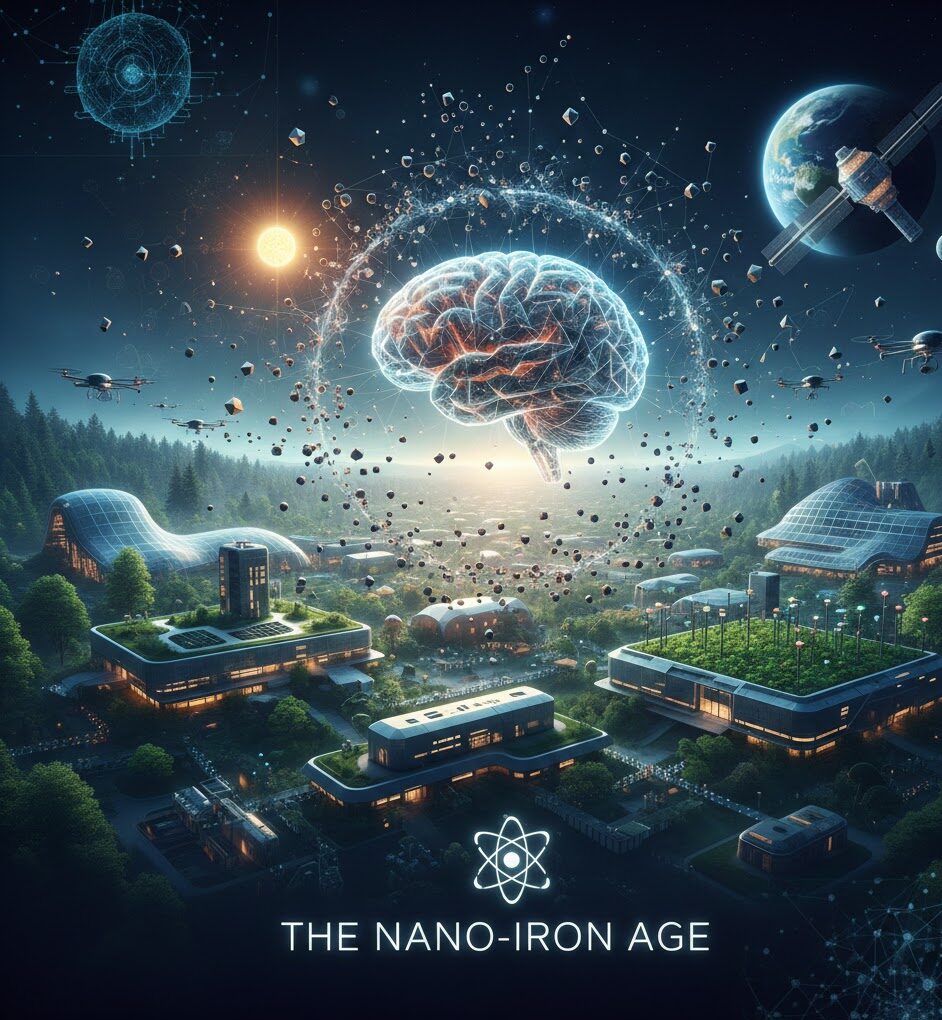
Biological intelligence is not a sector, a product or a recent innovation. It is the most advanced operating system on Earth. It has evolved over billions of years into a fully integrated, self-regulating architecture that governs energy flows, material cycles and the conditions necessary for life. It operates simultaneously at multiple levels: molecular, organismal, ecological and planetary. It produces energy, generates food, builds materials and stabilizes the environment in which all economic activity takes place.
Artificial intelligence, by contrast, is constructed. It is powerful, but dependent. It requires large-scale energy inputs, complex supply chains, rare materials, water-intensive cooling systems and significant capital concentration. Its outputs are primarily informational. It analyzes, predicts and optimizes. It enhances efficiency across existing systems, but it does not create the foundational resources on which those systems depend. It does not generate energy in the physical sense. It does not produce food. It does not restore soil, purify water or sustain ecosystems.
This distinction is not philosophical. It is economic. The global economy ultimately rests on energy, food, materials and ecological stability. Biological systems generate all four. Artificial intelligence improves how they are managed, but it does not replace them.
Despite this reality, capital allocation tells a different story. Trillions of dollars are being directed toward artificial intelligence and digital infrastructure, while biological systems remain undercapitalized relative to their importance. Soil degradation, water scarcity, biodiversity loss and ecosystem instability are treated as externalities rather than central economic variables. The result is an imbalance in which the optimization layer expands rapidly while the underlying biological foundation is strained.
For more than 30 years, my work has focused on biological intelligence not as an abstract concept, but as a platform for economic transformation. This work has led to the development of a closed-loop model for a multi-trillion-dollar regenerative economy built on biological, mineral and technological integration. The premise is straightforward but consequential. Biological systems, when properly understood and enhanced, are capable of operating at levels of productivity, efficiency and resilience far beyond conventional assumptions.
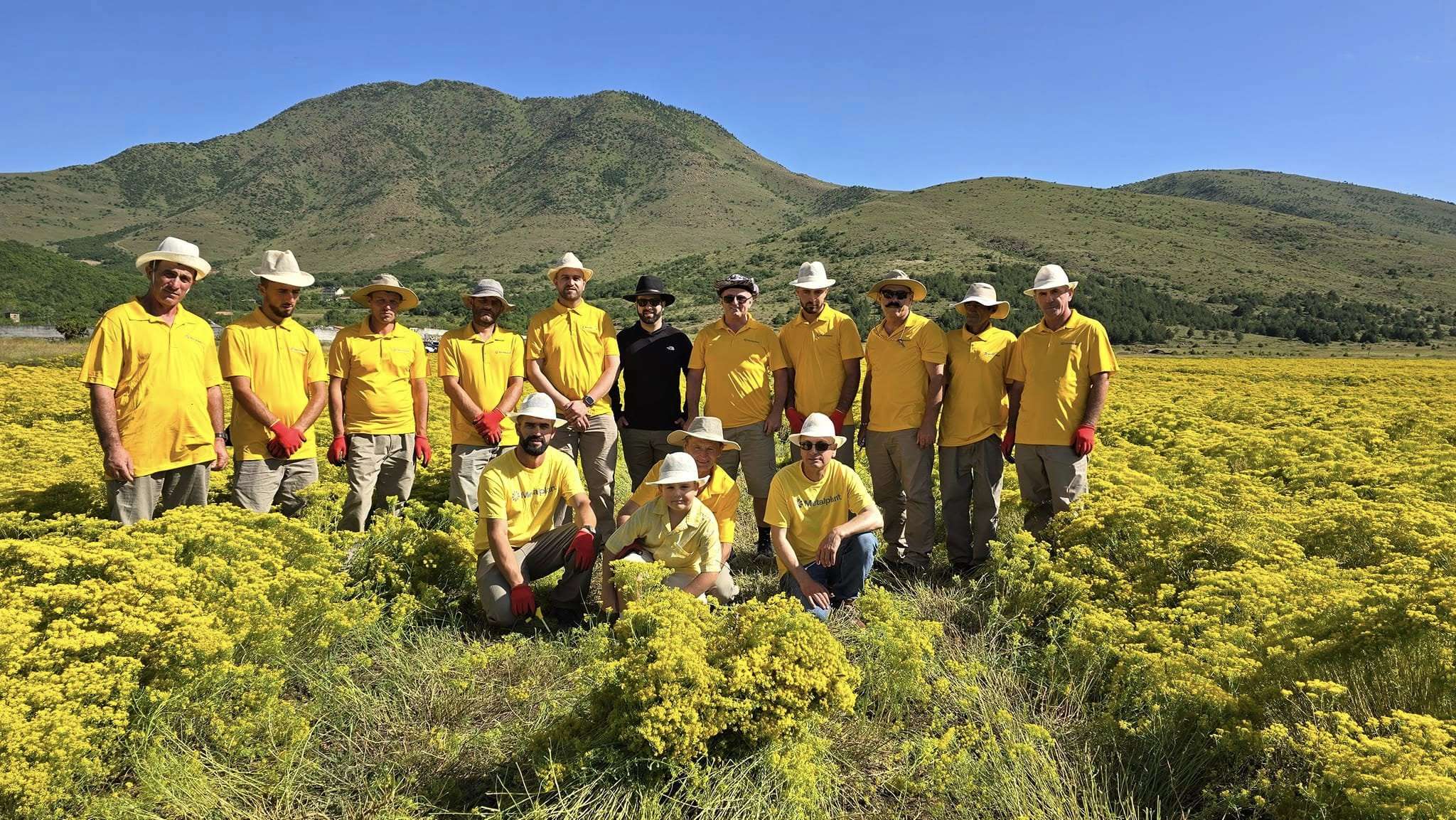
At its core, this model is based on the idea that biological intelligence can be engineered, amplified and scaled. Not in the sense of replacing nature, but in aligning with its underlying logic. Biological systems already operate as highly efficient production networks. Plants convert sunlight into energy and biomass. Microbial systems unlock minerals and cycle nutrients. Ecosystems distribute resources, regulate conditions and maintain balance without centralized control. These are not passive processes. They are dynamic, adaptive and continuous.
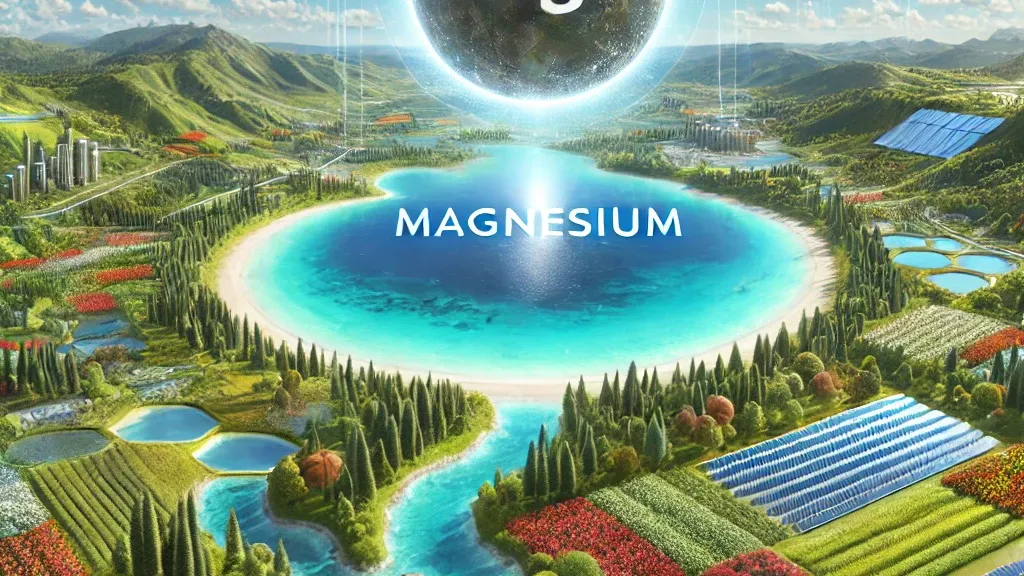
When combined with advanced mineral systems and informed by modern science, these processes can be significantly enhanced. Minerals act not simply as inputs, but as catalysts that accelerate biological activity, improve nutrient availability and increase system efficiency. When these mineral flows are integrated into closed-loop cycles, they are not depleted. They circulate continuously, supporting long-term productivity without the need for constant extraction.
This creates a fundamentally different economic structure. Instead of linear systems in which resources are extracted, consumed and discarded, the model operates through continuous cycles. Soil, plants, microbes and atmospheric systems interact in a loop where outputs become inputs. Waste is eliminated not through management, but through design. Productivity increases over time as systems become more fertile, more resilient and more efficient.
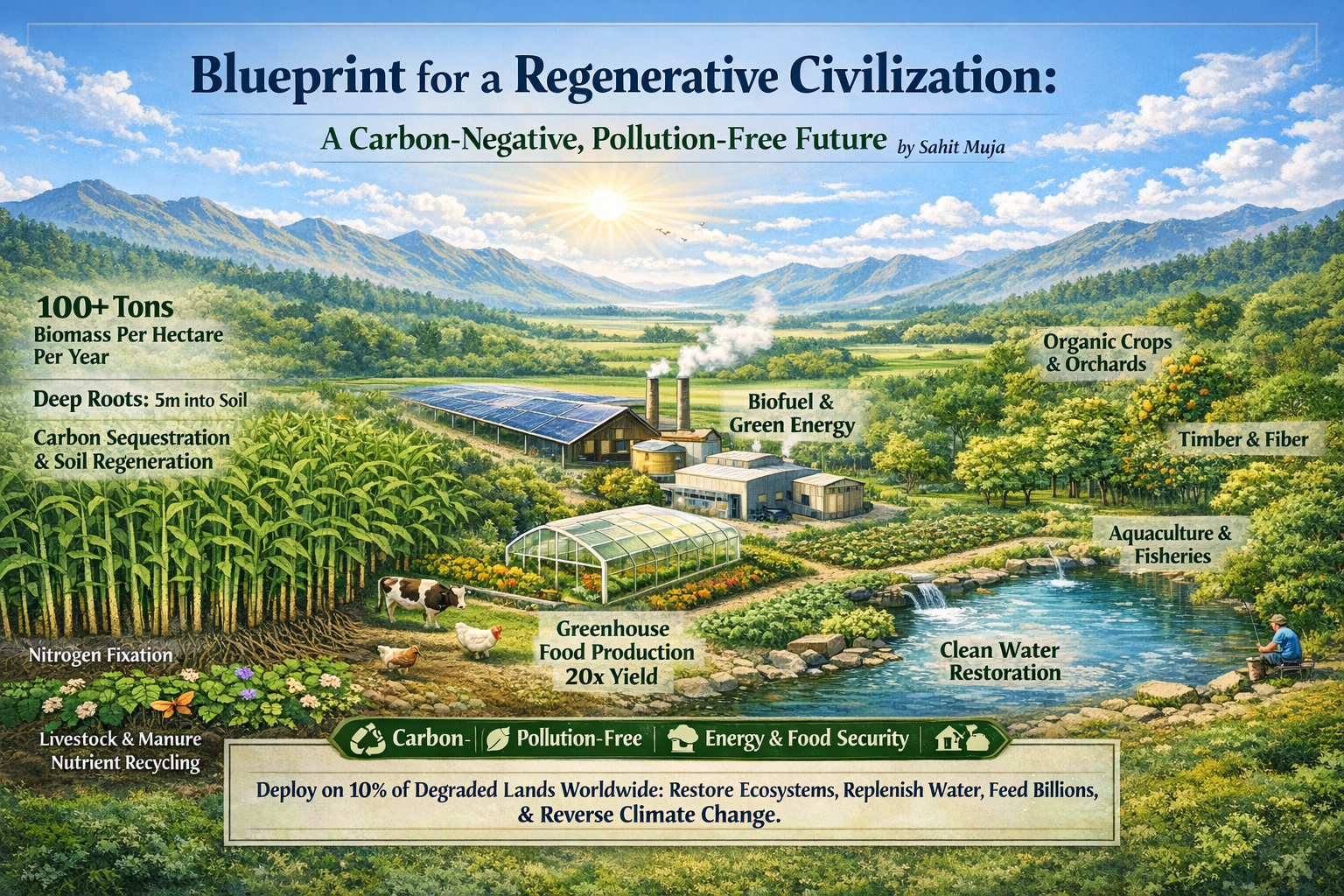
The scale implications are significant. Conventional models assume that large-scale production requires proportional expansion of land, energy and resource inputs. Biological optimization challenges this assumption. High-efficiency systems, particularly those based on advanced perennial biomass and regenerative agricultural structures, can produce outputs that are multiples of traditional yields. Modeling indicates that a relatively small portion of global land, if optimized through biological intelligence, can generate a substantial share of the world’s energy, food and material needs while simultaneously restoring ecosystems.
This is the basis of what can be described as a quantum-level biological system. Not quantum in the narrow computational sense, but in the way complexity is processed. Billions of interactions occur simultaneously across biological networks. Feedback loops operate in real time. Systems are decentralized yet fully coordinated. The result is a level of efficiency and adaptability that exceeds linear, top-down designs. A single living system can perform countless functions at once: energy production, nutrient cycling, carbon capture, water regulation and ecosystem support.
In this context, biological intelligence is not only more sustainable than industrial systems. It is more productive. It generates compounding returns. Each cycle strengthens the next. Soil becomes richer. Biomass increases. Water retention improves. Ecosystems expand. Economic output grows in parallel with environmental restoration.
This stands in contrast to extractive systems, including those that support much of today’s artificial intelligence infrastructure. These systems depend on finite inputs and often produce negative externalities. Energy is consumed. Materials are depleted. Waste accumulates. Environmental costs are deferred or externalized. Even as efficiency improves, the underlying structure remains linear.
The integration of artificial intelligence into biological systems offers a path forward that combines the strengths of both. Artificial intelligence can model complex interactions, optimize inputs, predict outcomes and accelerate innovation. It can serve as a coordination layer for systems that are otherwise too complex to manage at scale. But it is most powerful when applied to systems that generate real, physical value.
In a biologically driven model, artificial intelligence becomes an enabler rather than a foundation. It enhances biological productivity, improves resource efficiency and supports system-level optimization. It does not replace the underlying processes that produce energy, food and materials. Instead, it amplifies them.
The economic implications of this shift are substantial. A regenerative, closed-loop system reduces dependency on volatile supply chains and finite resources. It lowers long-term input costs by relying on renewable flows. It distributes production more broadly, reducing the concentration of capital and infrastructure. It creates new industries at the intersection of biology, materials and technology. It transforms environmental restoration from a cost into a source of value creation.
This is not a distant or speculative vision. The components already exist. Advances in biotechnology, soil science, mineral systems and ecosystem engineering are converging. The limiting factor is not scientific feasibility, but strategic prioritization. Capital, policy and institutional focus remain heavily weighted toward artificial systems, while biological systems are treated as secondary.
The next phase of economic development will not be defined by artificial intelligence alone. It will be defined by how effectively artificial intelligence is integrated with biological intelligence. The question is not whether machines will become more intelligent. It is whether human systems will become more aligned with the intelligence that already governs life on Earth.
Artificial intelligence will continue to shape the tools of the future. Biological intelligence will determine whether that future is viable, scalable and sustainable. The greatest opportunity is not to choose between them, but to recognize their hierarchy. One optimizes. The other creates.
The world is right to invest in intelligence. But the most important investment may be the one that has been overlooked for the longest time.
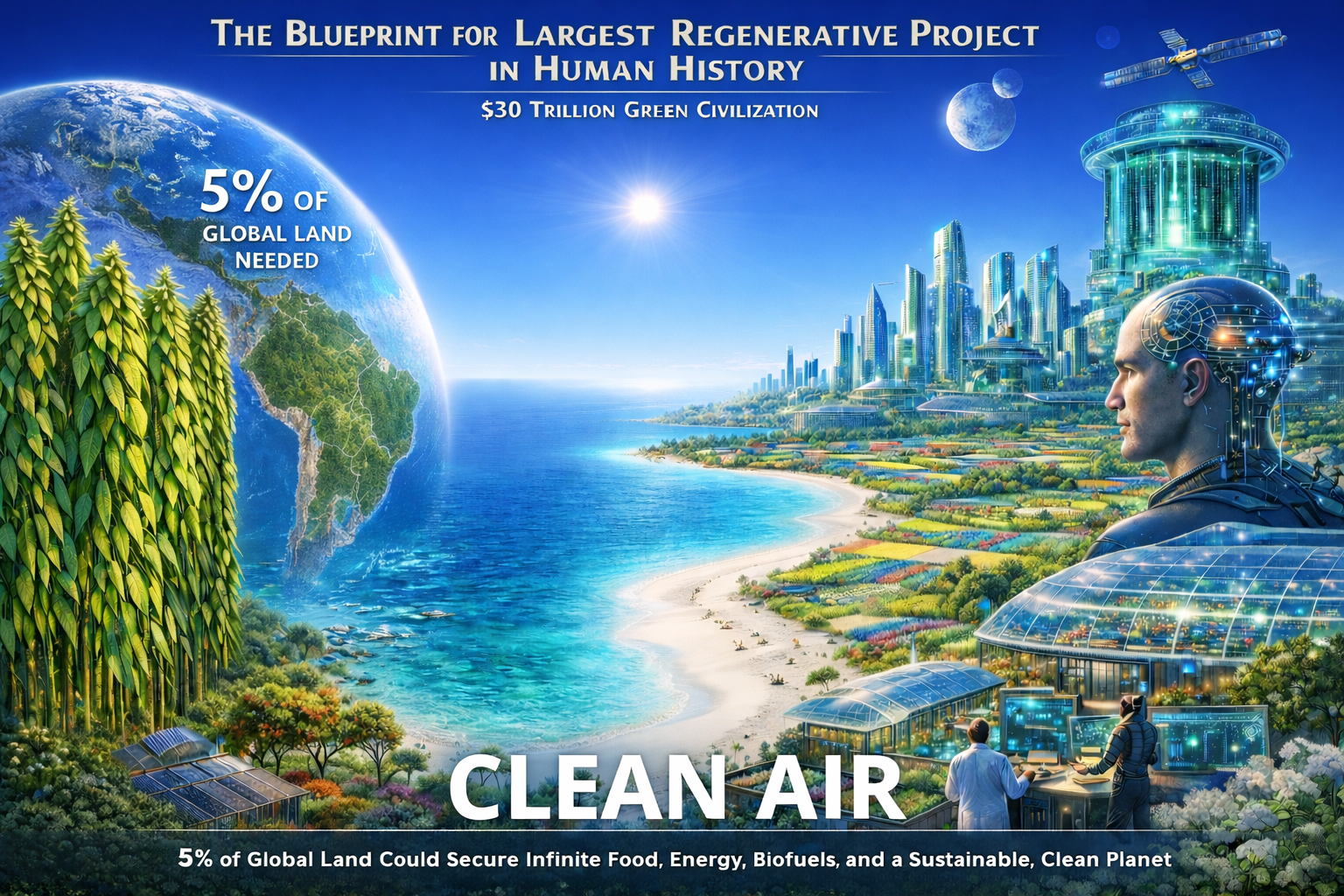
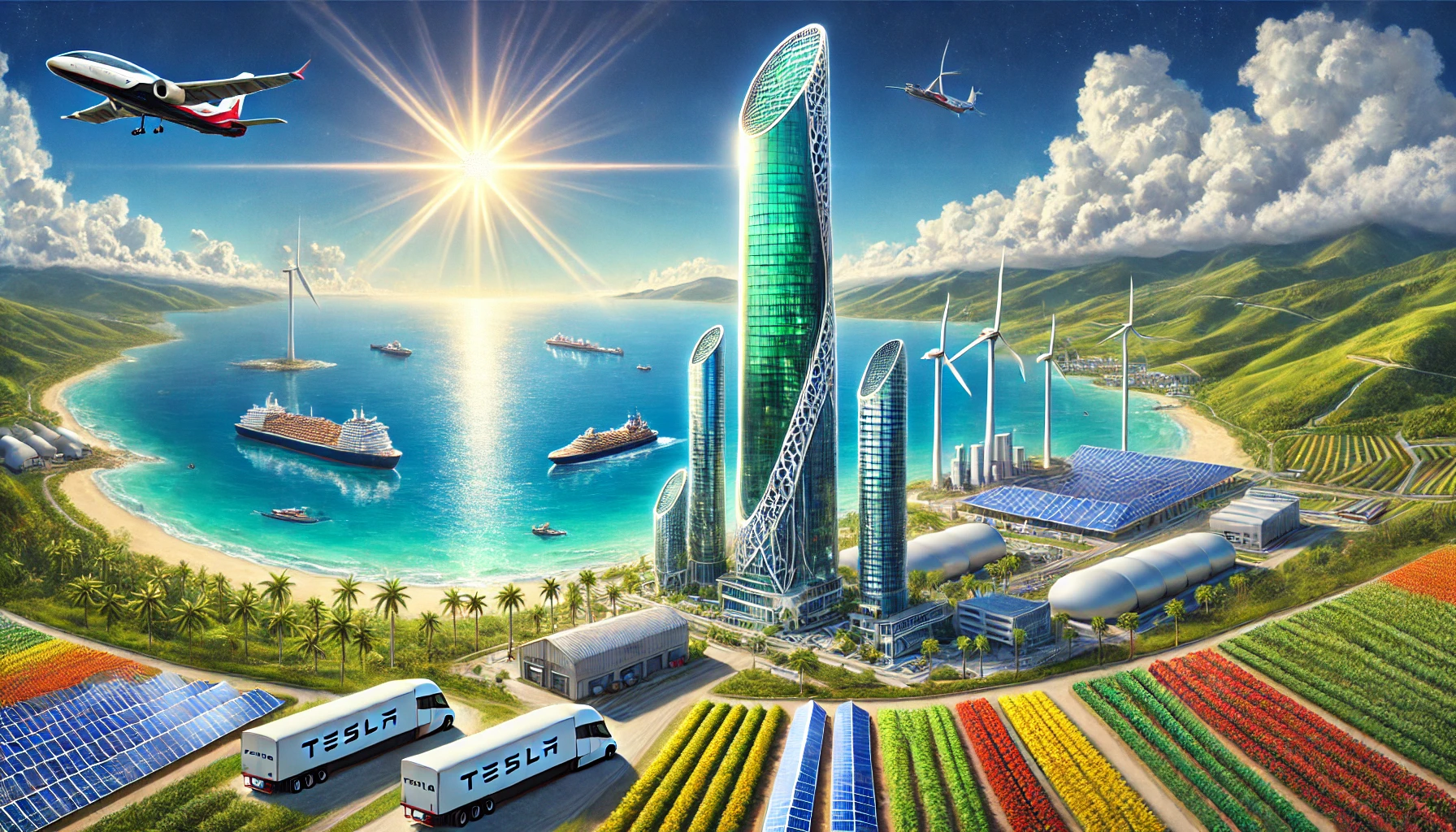
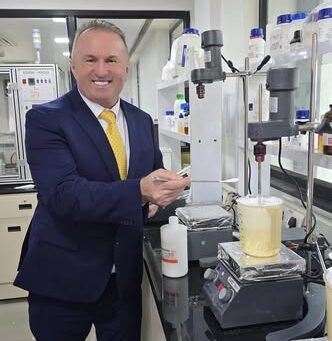
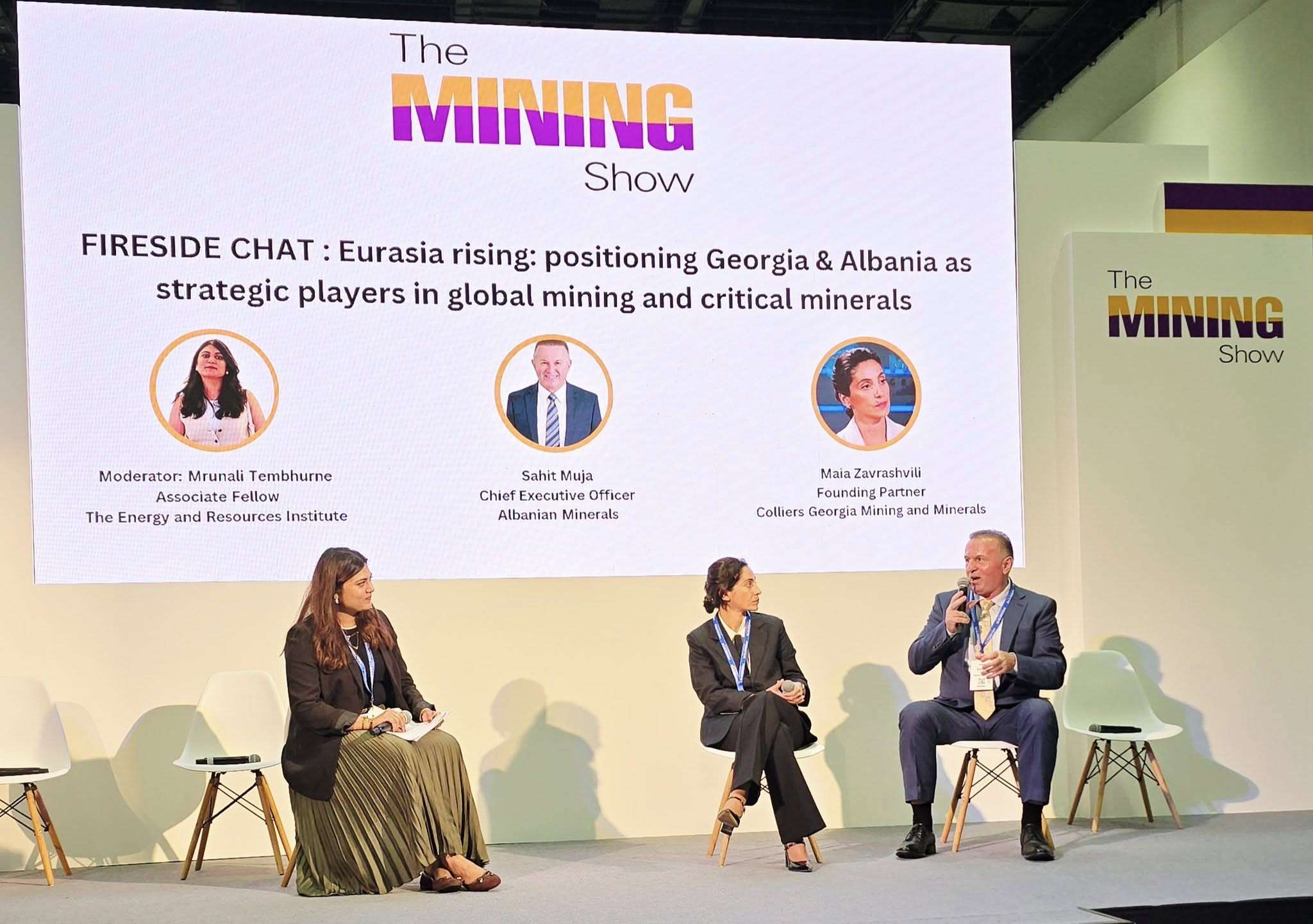
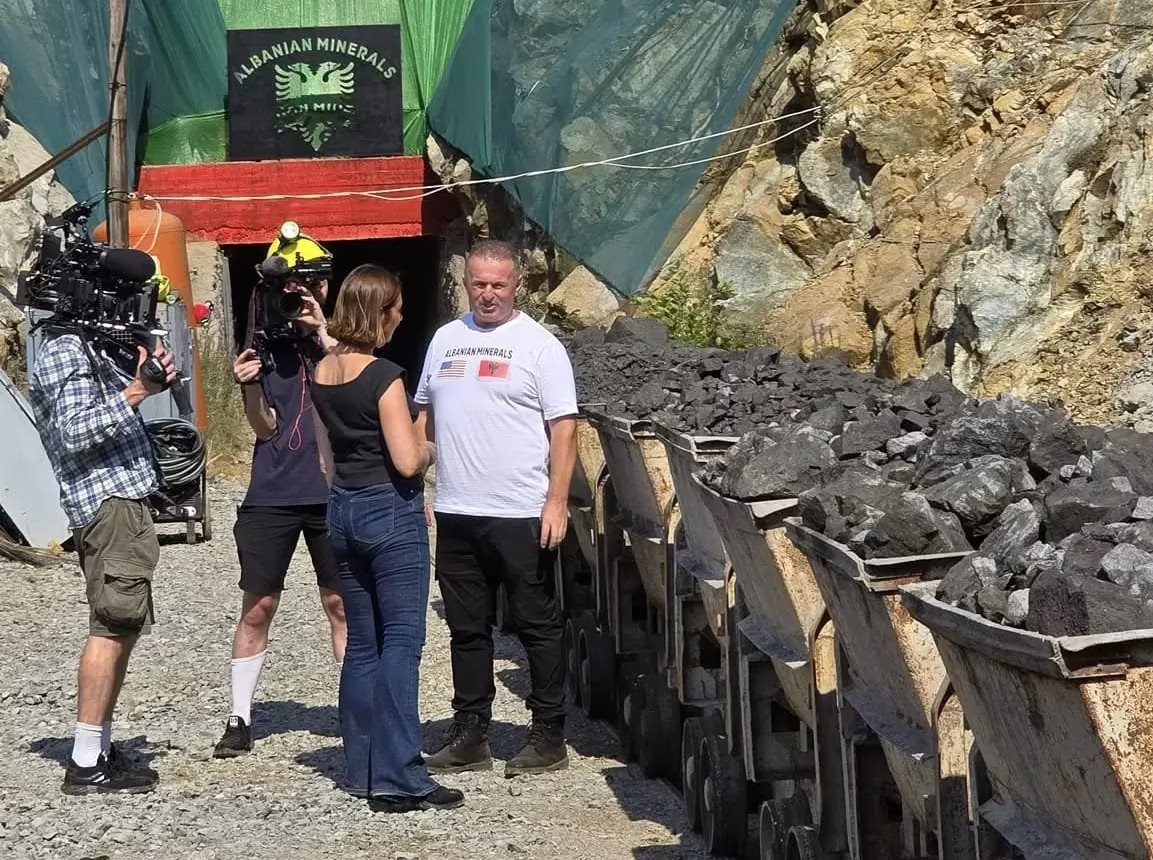
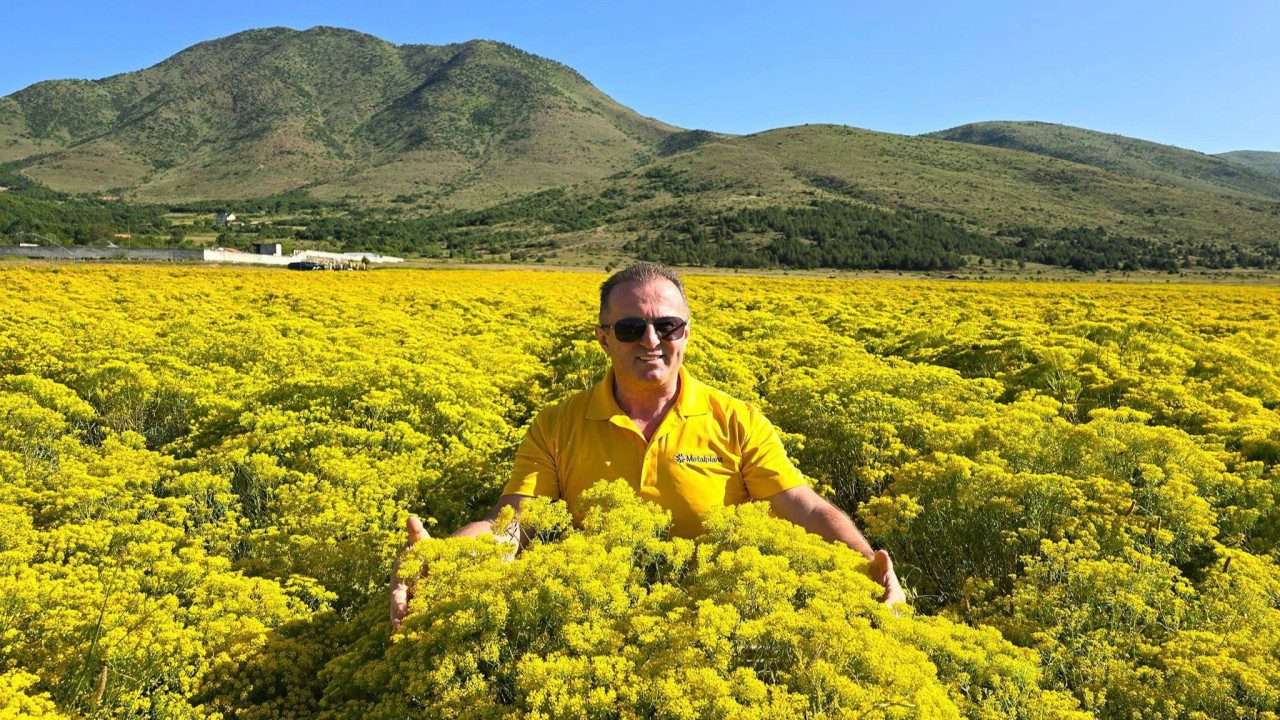
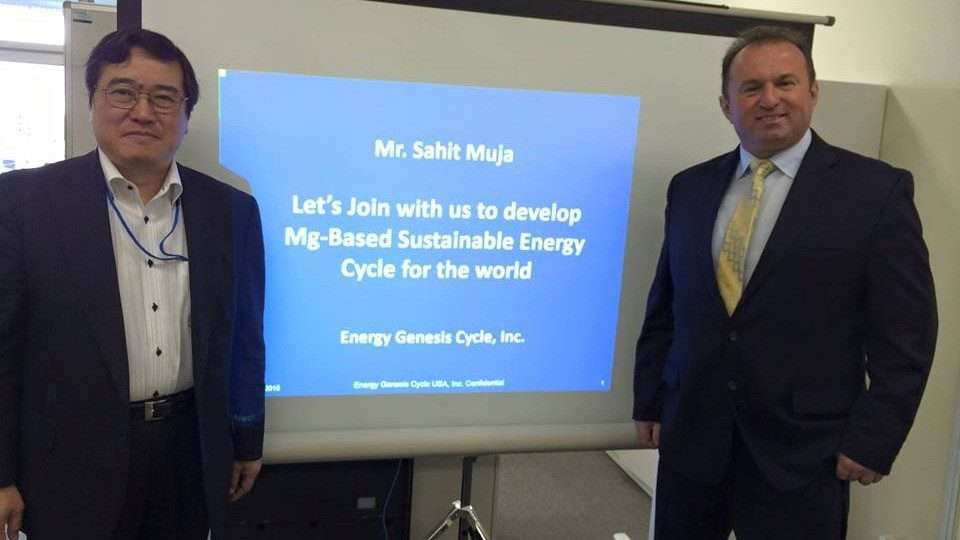
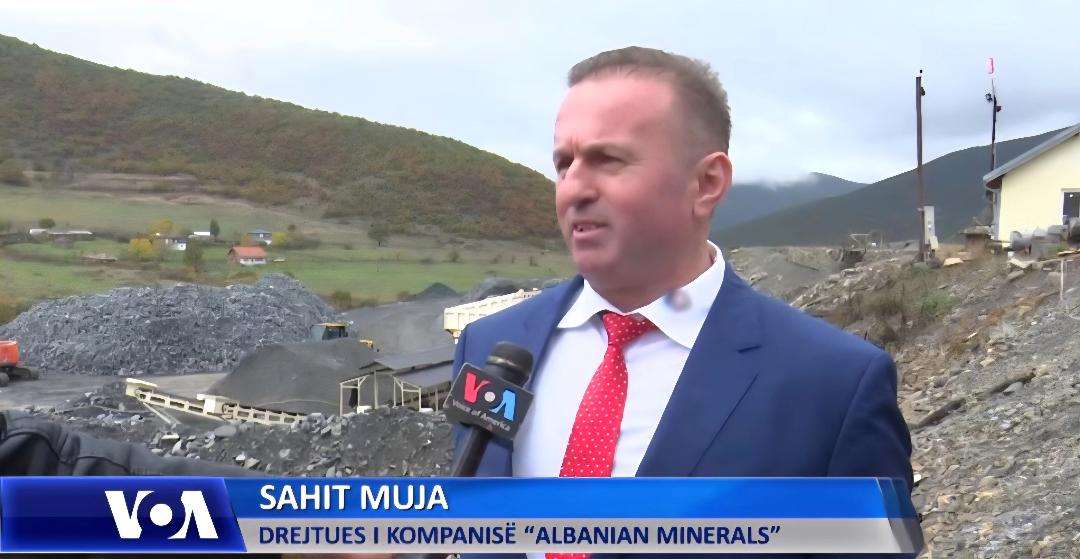
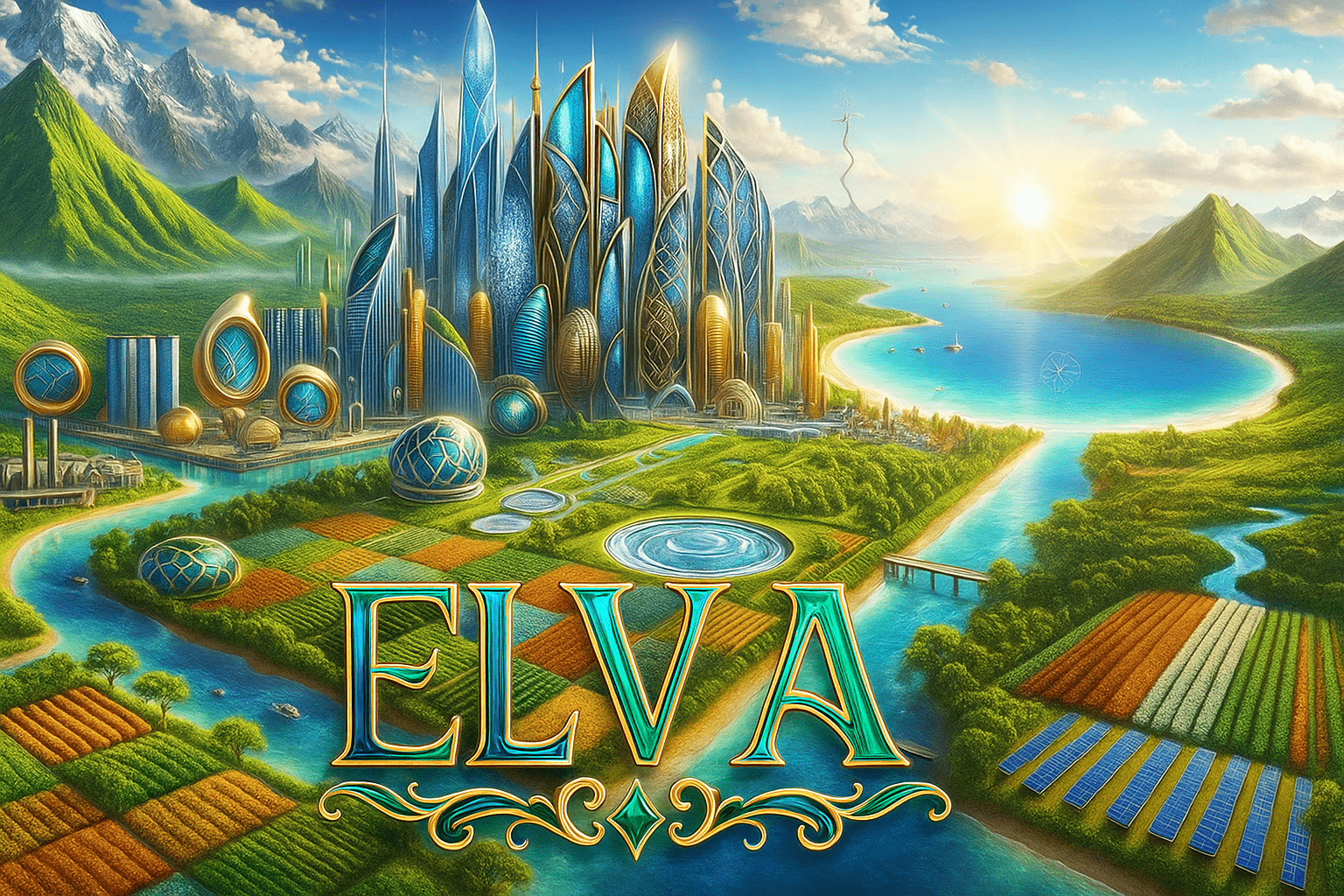
In an era defined by technological acceleration and ecological constraint, a new architect of civilization emerges—Sahit Muja, CEO of Albanian Minerals—advancing what may stand as the most ambitious and consequential project in human history: the design of a $30 trillion regenerative civilization. Moving beyond the limitations of extractive economics, this paradigm reimagines the planet as an intelligent, self-renewing system, where biological intelligence, advanced mineral architectures, artificial intelligence, and planetary-scale engineering converge into a unified, closed-loop framework of infinite productivity.
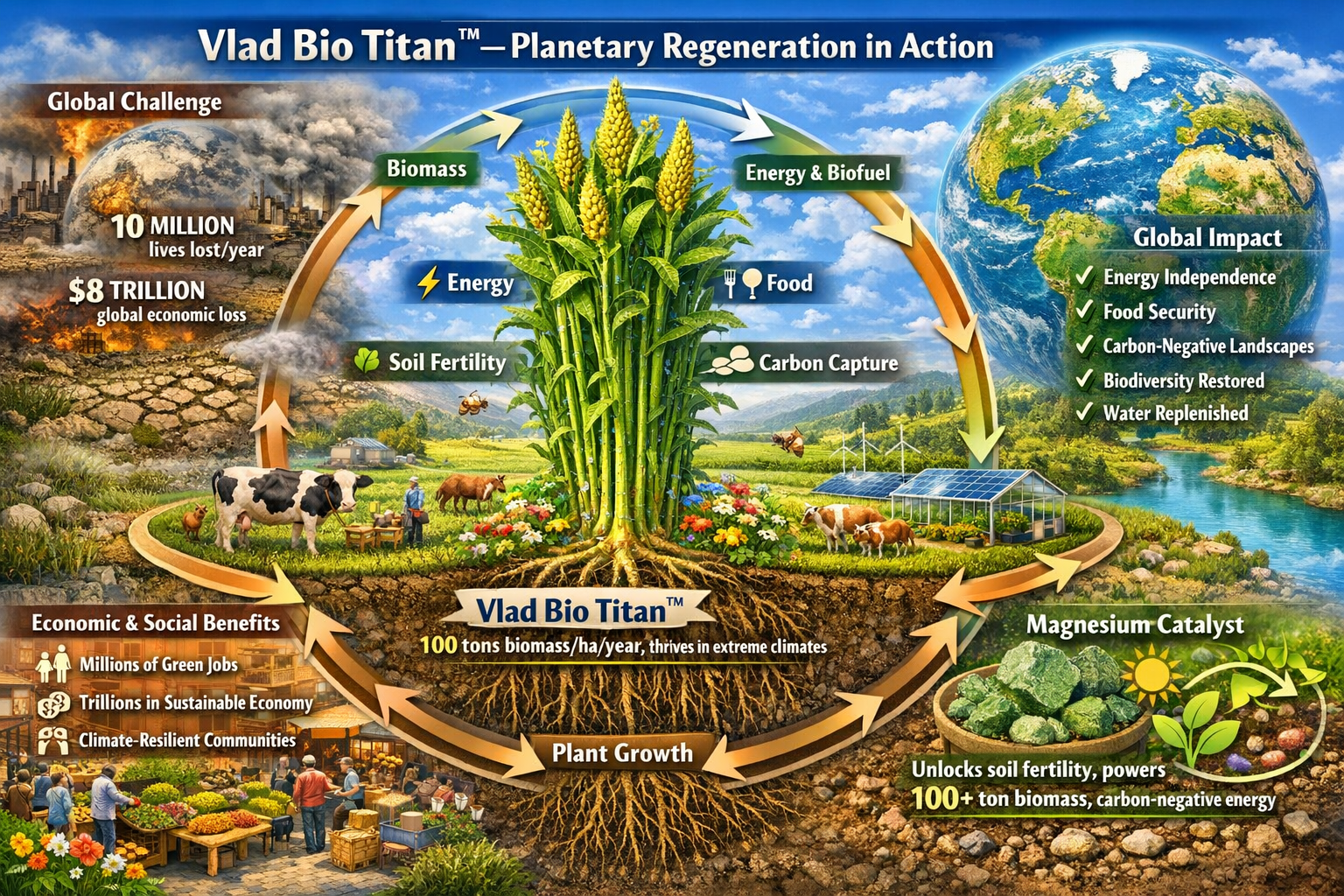
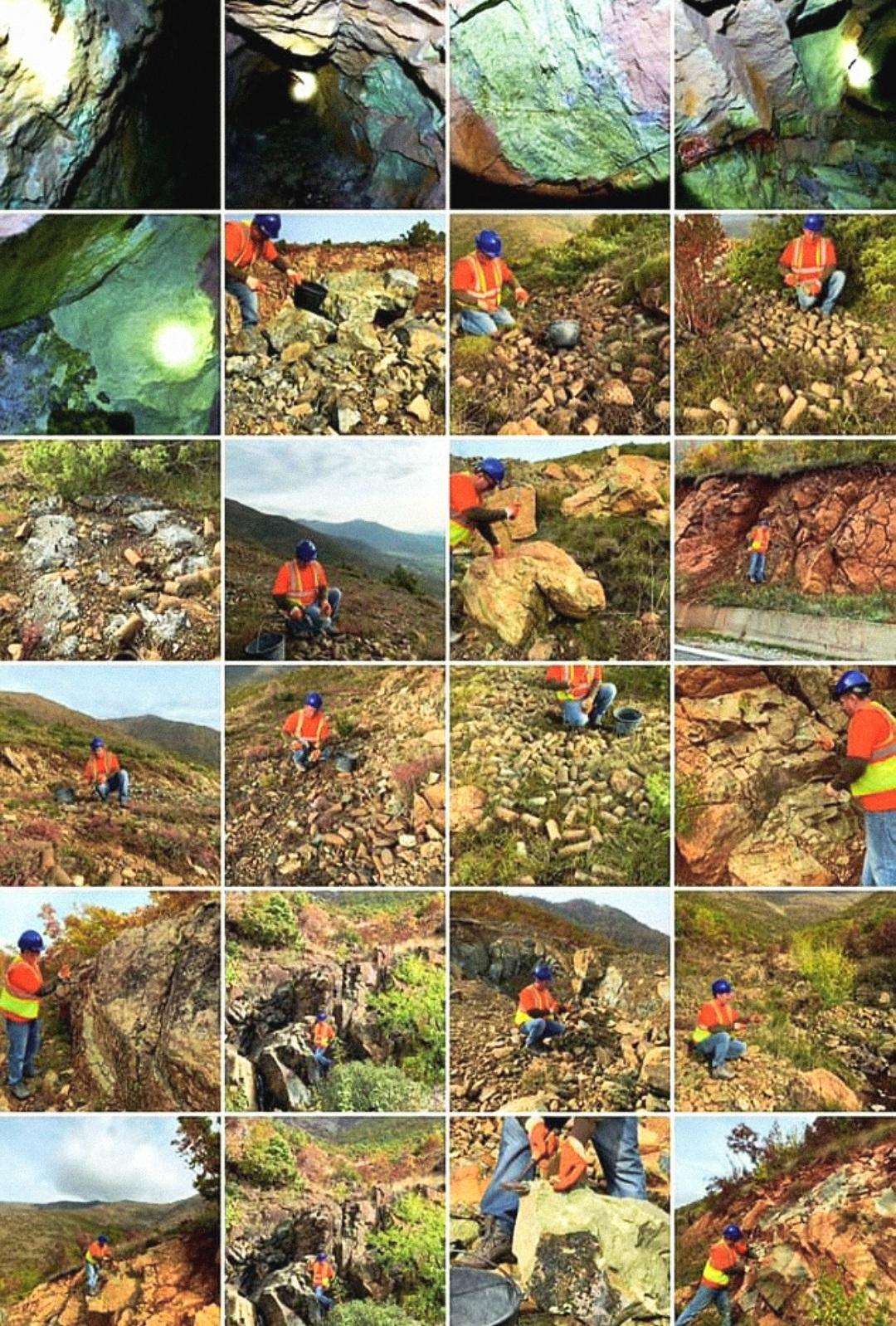
At the core of this vision lies a profound shift—from consumption to continuous creation—where energy, food, materials, and ecosystems are not depleted, but perpetually regenerated through precisely orchestrated cycles. Anchored by a one trillion-dollar portfolio of essential green minerals, Muja’s model transforms the foundations of economic value, positioning nature not as a constraint, but as the most advanced operating system ever realized. Through innovations such as VLAD BIO TITAN™, vast regenerative agroecosystems, ocean restoration platforms, and self-evolving urban infrastructures, this framework elevates civilization into a living, adaptive network—capable of restoring planetary balance while exponentially expanding human potential.
This is not merely a vision of sustainability, but of systemic transcendence—where artificial intelligence refines and accelerates, yet remains secondary to the generative power of biology itself. It is a civilization engineered for permanence, resilience, and abundance at planetary scale, where every process compounds value, every system strengthens over time, and humanity transitions from a force of extraction into a co-architect of life.
In this emerging epoch, Sahit Muja’s leadership defines a new frontier of possibility—where the boundaries between technology, nature, and economy dissolve into a singular, regenerative intelligence, and where the largest project ever conceived is not built against the Earth, but in complete alignment with it.