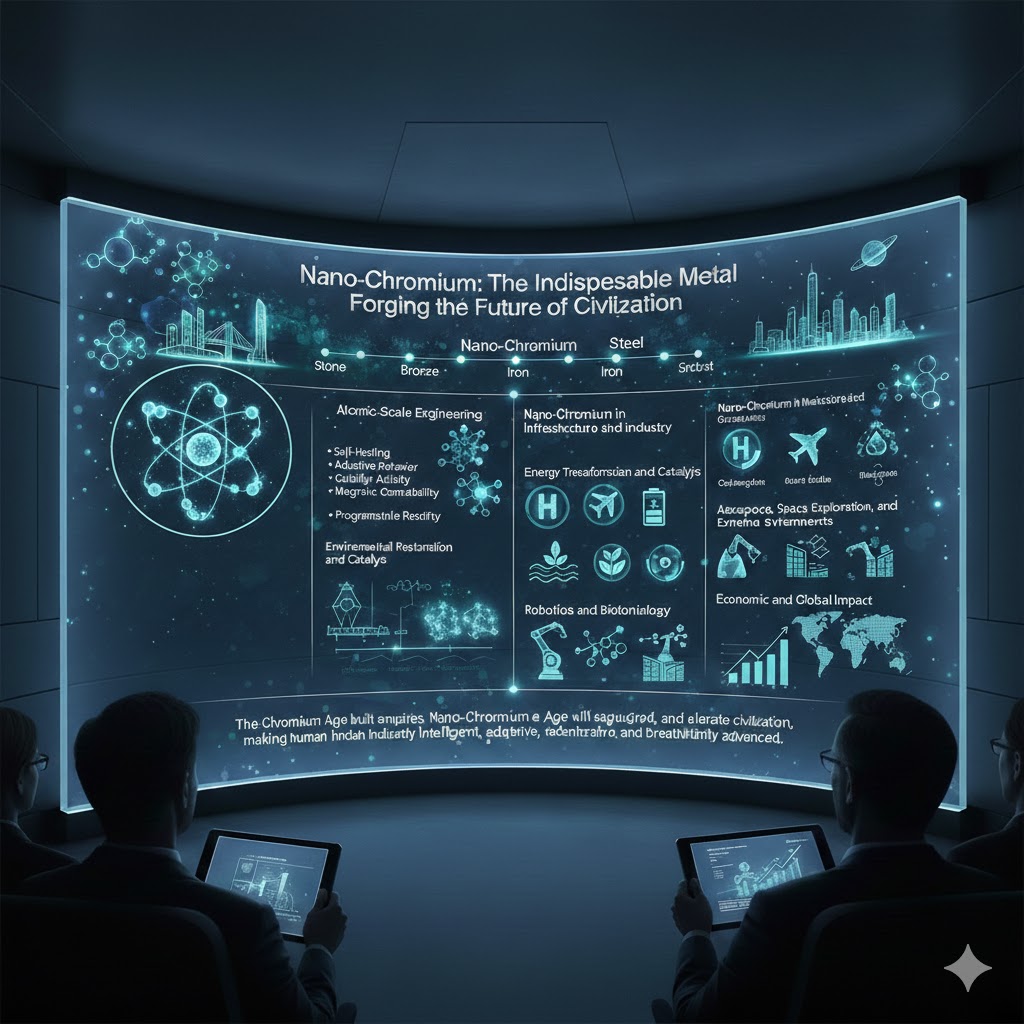
Human civilization has always been forged in metal. Long before the rise of digital intelligence or space exploration, the destiny of societies was shaped by their ability to master Earth’s elemental building blocks. Stone allowed survival. Bronze enabled early governance and organized warfare. Iron transformed human expansion, infrastructure, and industrial productivity. Steel launched the modern world and built the skeleton of global civilization.
Yet history is preparing to write a new chapter — one that transcends traditional metallurgy and redefines humanity’s relationship with matter itself. The next civilization will not be defined by how much iron humanity extracts from the Earth, but by how intelligently humanity can redesign iron at the atomic scale.
At the center of this breathtaking scientific transformation stands nano-iron — a revolutionary form of iron engineered at dimensions thousands of times smaller than the width of a human hair. Within this microscopic scale, iron undergoes a radical metamorphosis, transforming from a structural metal into an intelligent industrial, environmental, and energy platform capable of reshaping the architecture of civilization itself.
Reinventing the Metal That Built Empires
For over three thousand years, iron has served as the backbone of technological progress. Entire civilizations rose and fell based on access to iron. It constructed cities, enabled global trade, powered transportation, and supported military defense systems. Even today, nearly every piece of modern infrastructure depends on iron-based materials.
Yet conventional iron represents only the beginning of its true technological destiny.
At the nanoscale, iron behaves in ways that defy traditional material science. Nano-iron particles possess extraordinary surface activity, powerful magnetic responsiveness, and unparalleled catalytic versatility. These characteristics allow nano-iron to operate as a dynamic, reactive, and adaptive material capable of interacting directly with environmental, chemical, and energy systems.
Nano-iron is not merely stronger steel or improved alloy performance. It represents the emergence of programmable metal — a material capable of responding to environmental conditions, catalyzing chemical transformations, and supporting self-regulating technological ecosystems.
The Visionary Industrial Ecosystem Driving Nano-Iron Innovation
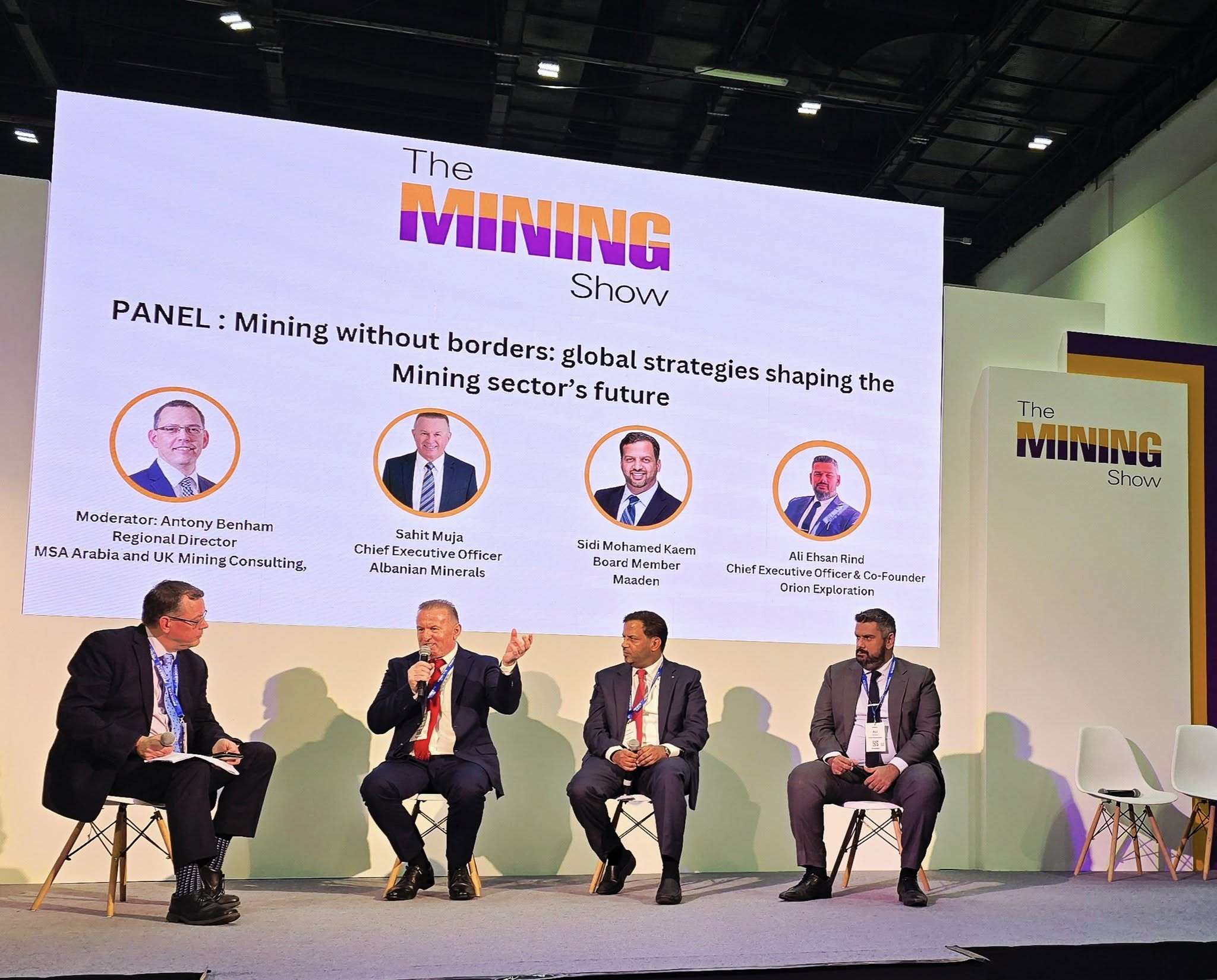
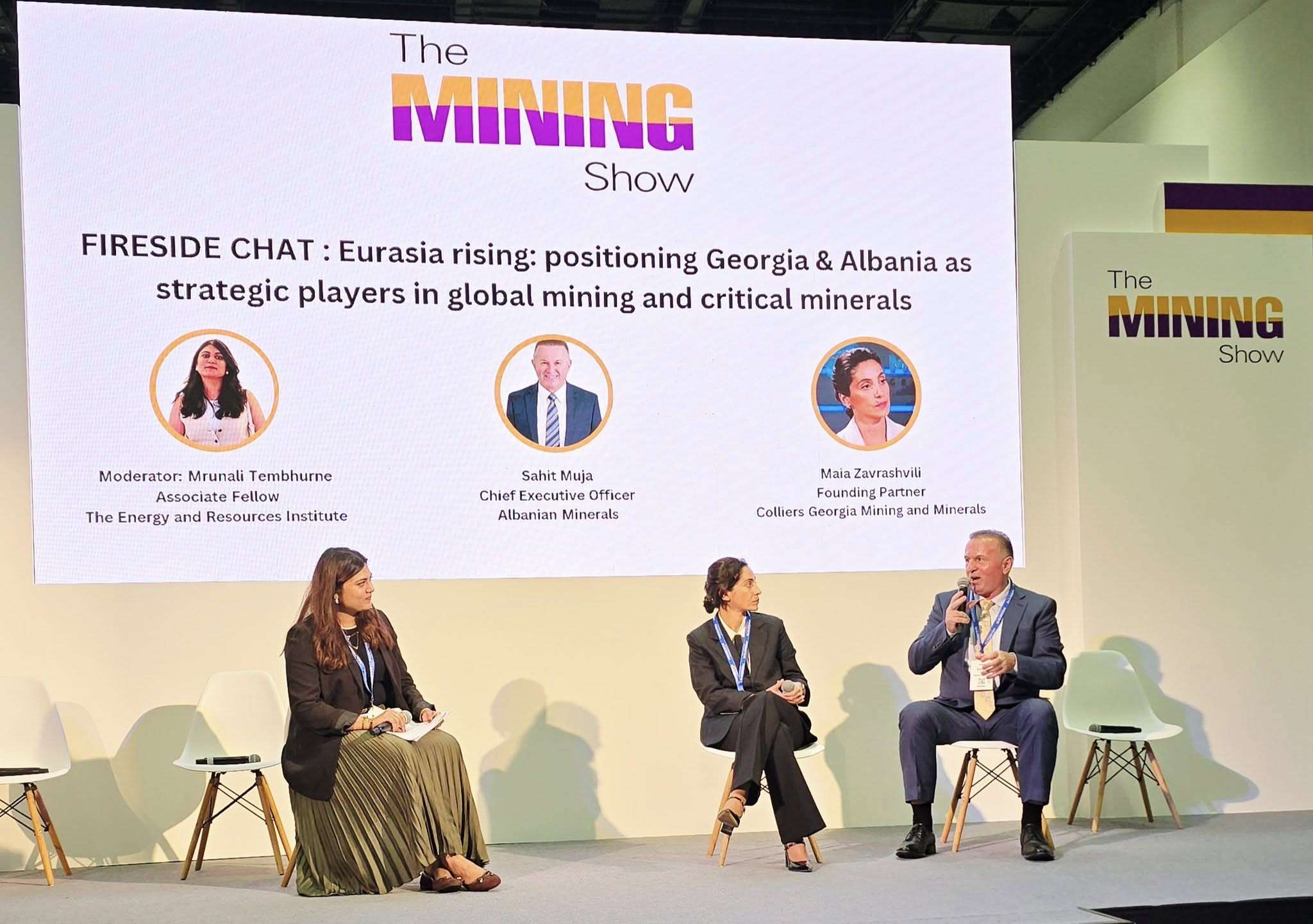
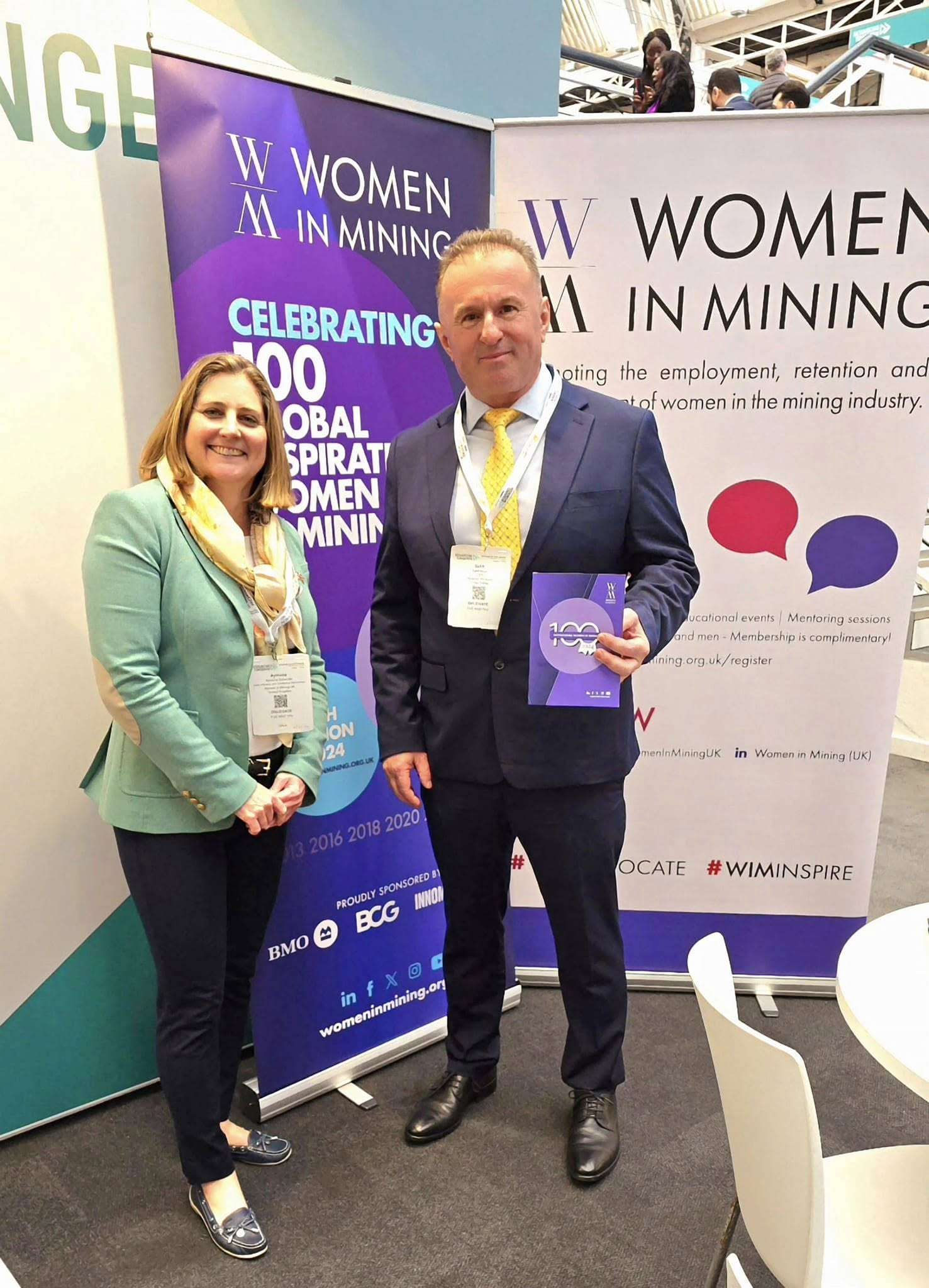
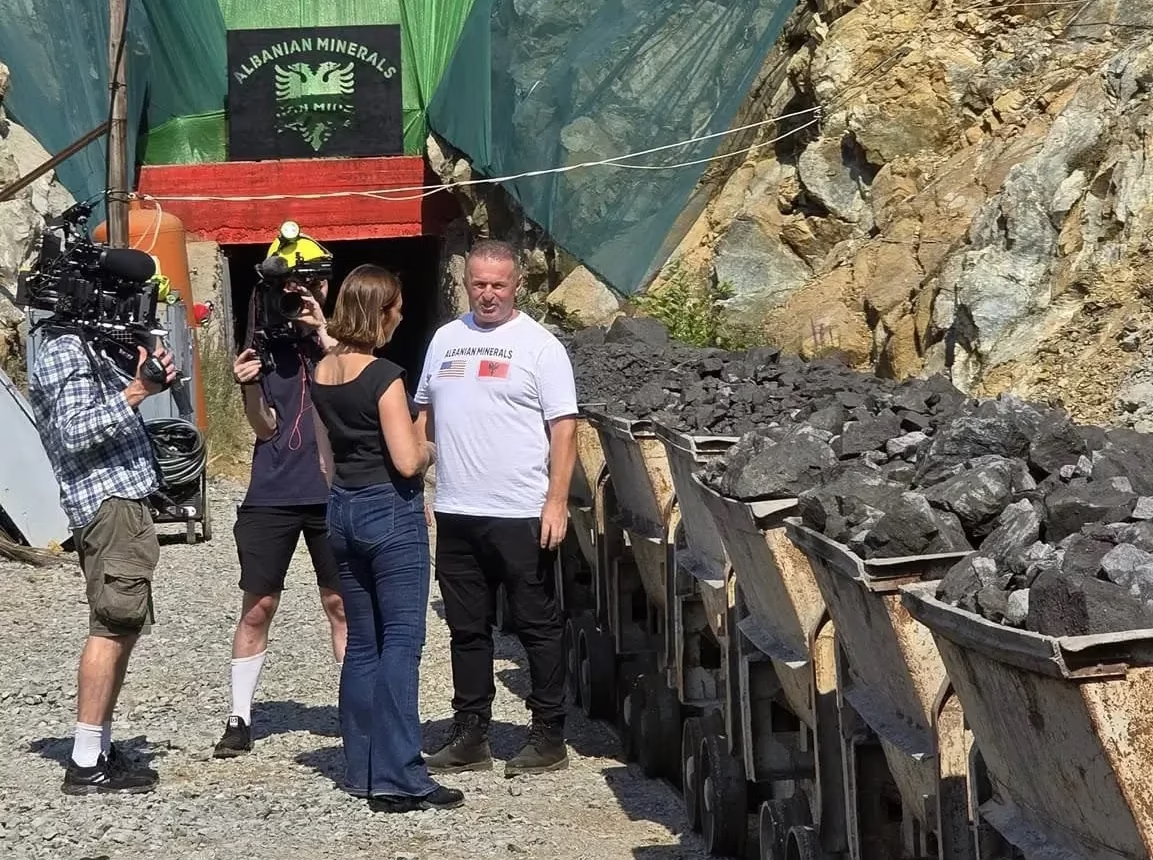
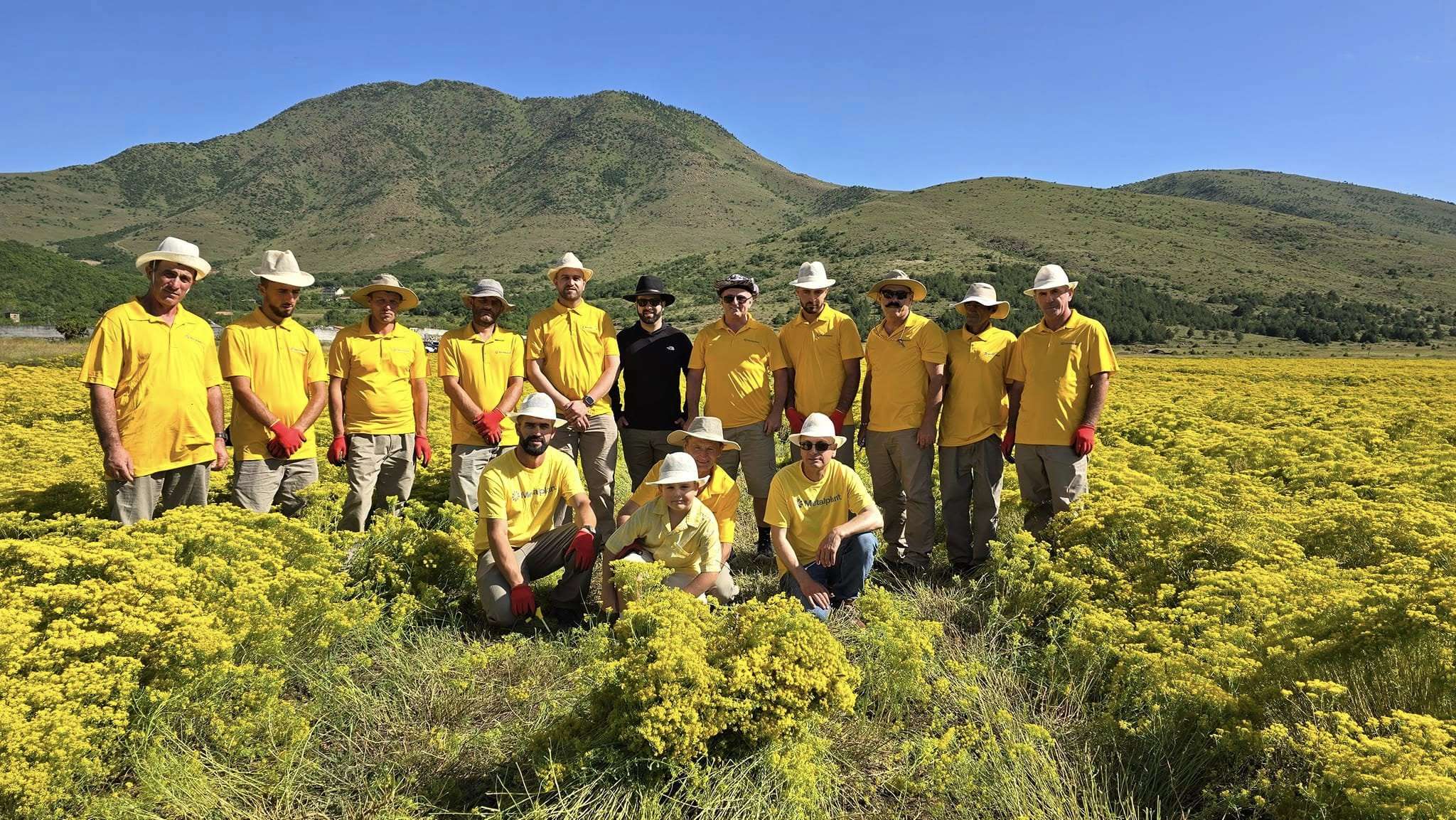
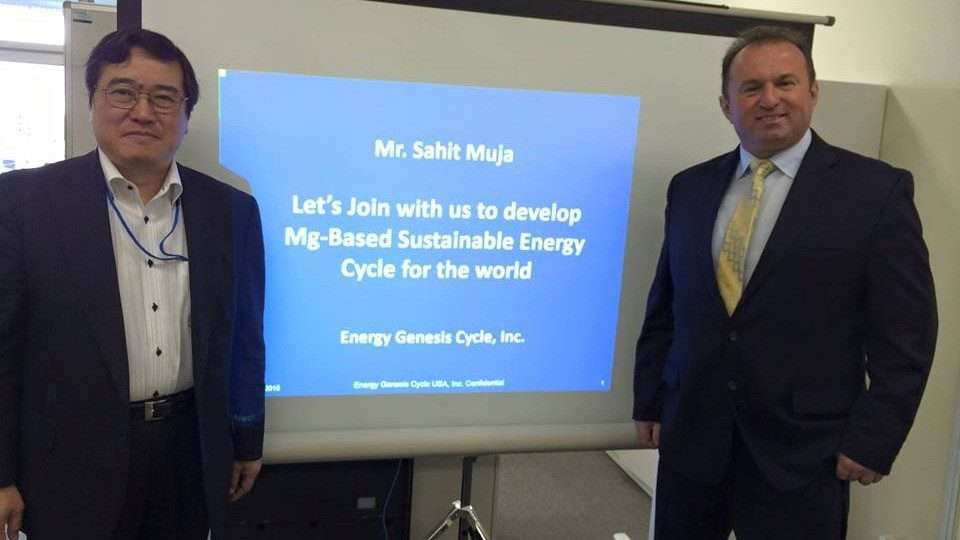
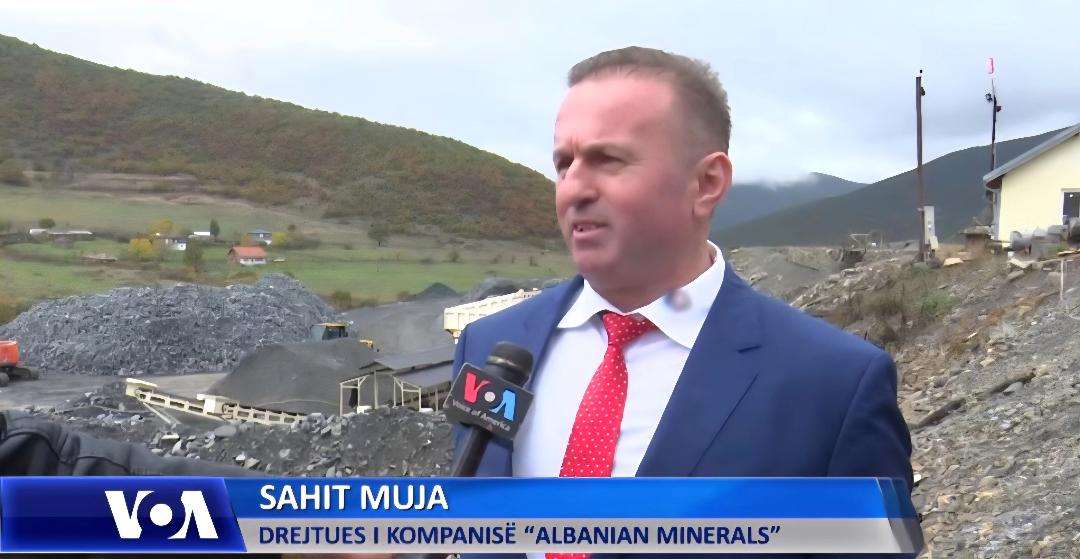
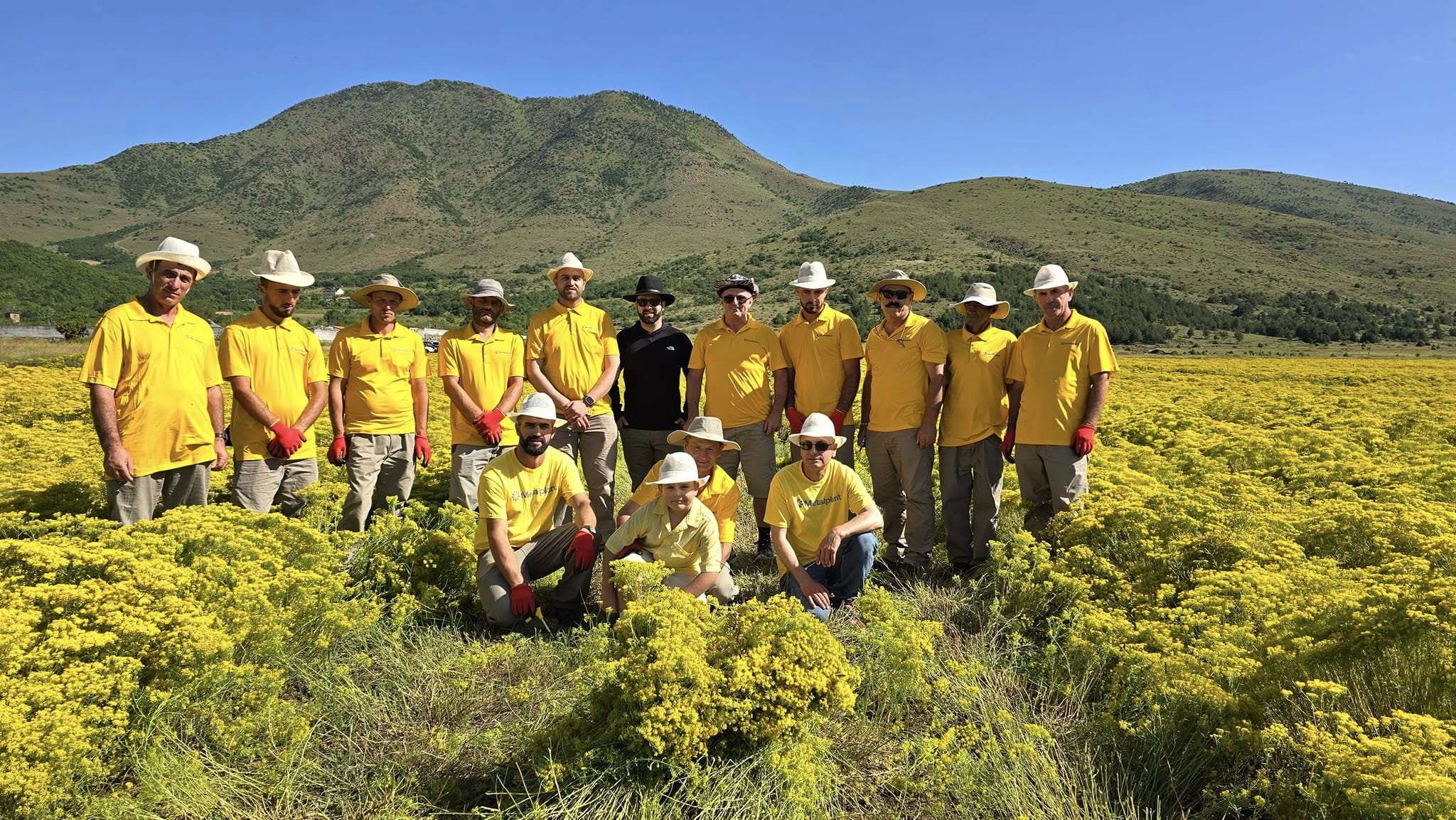
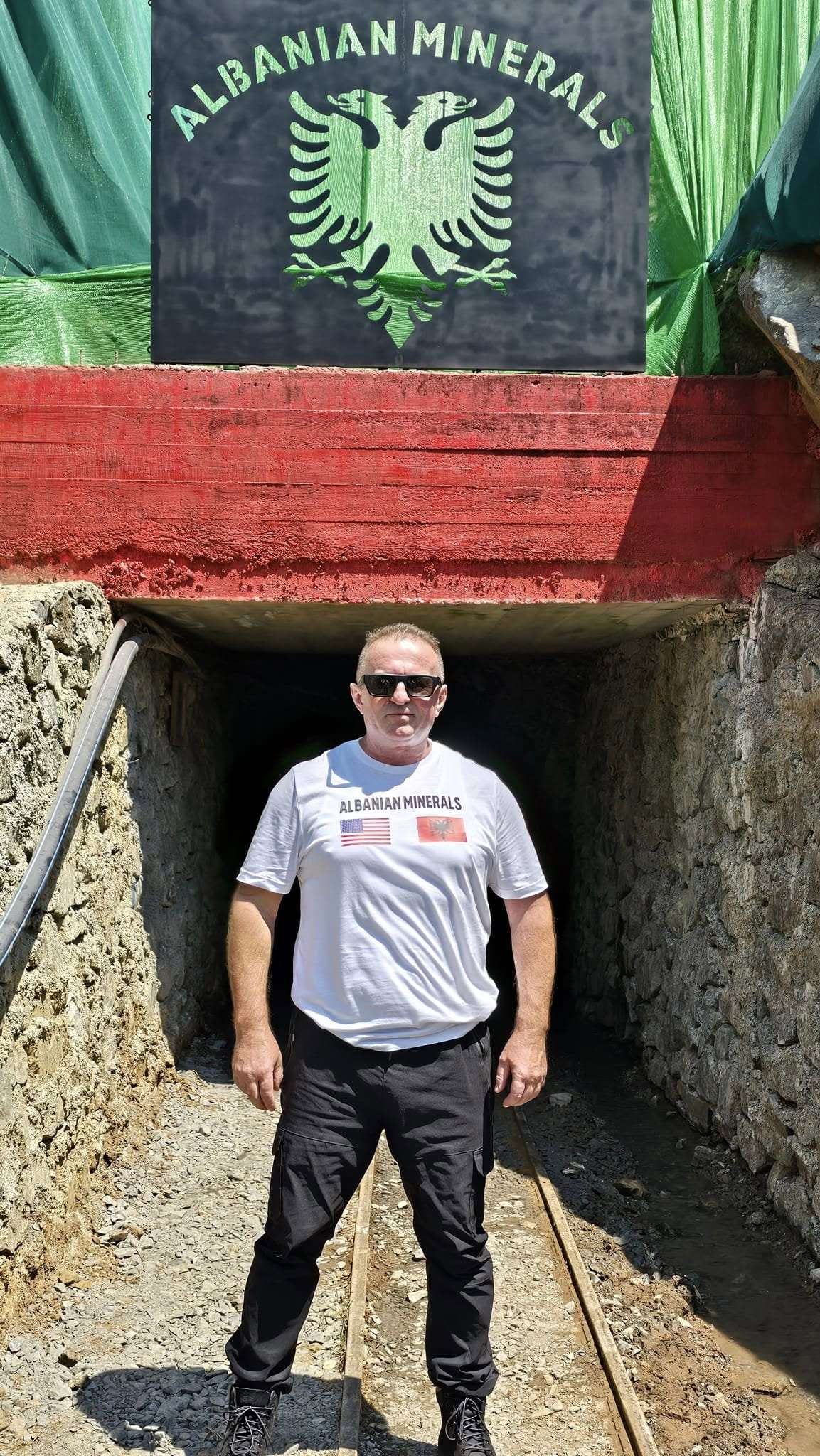
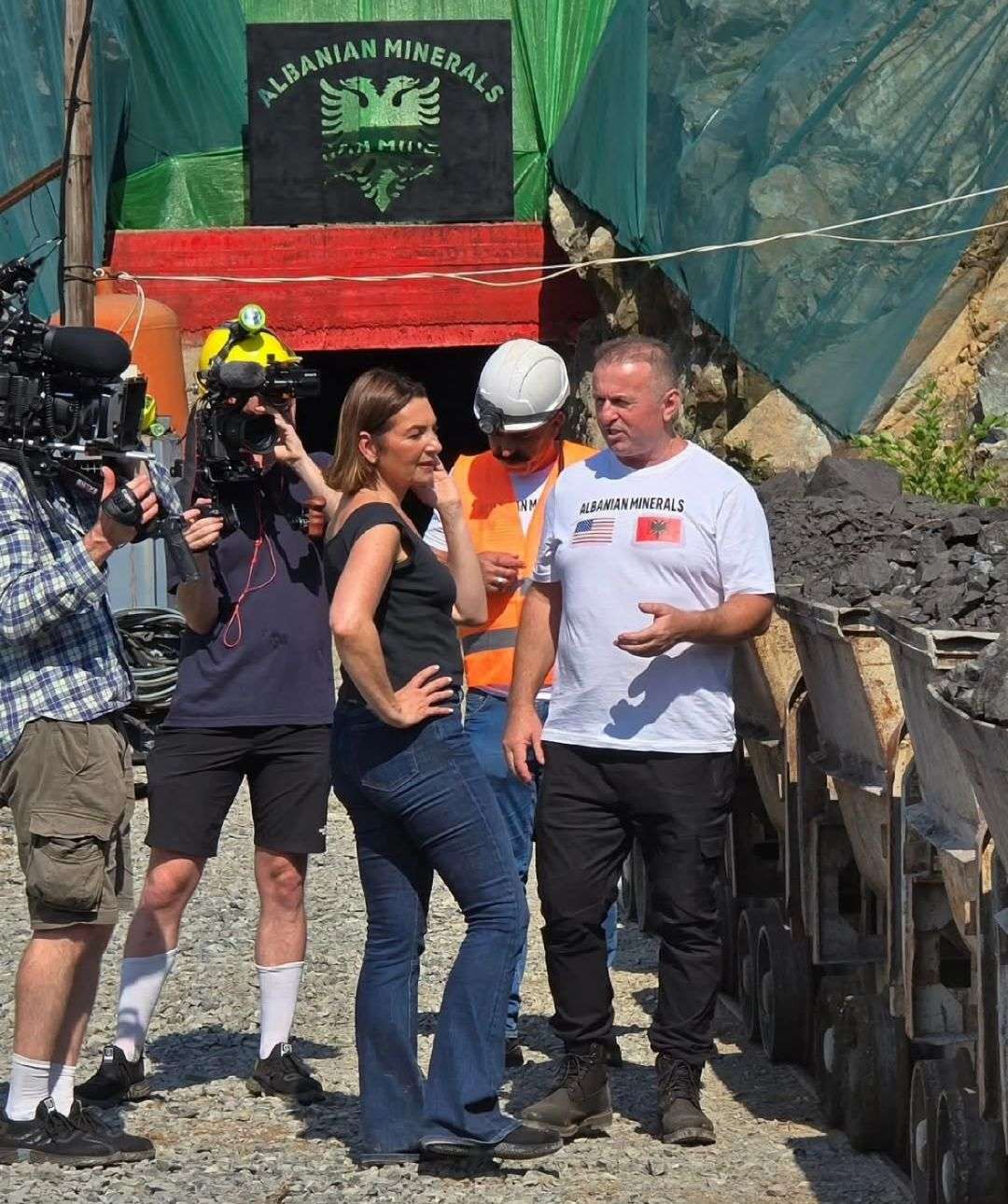
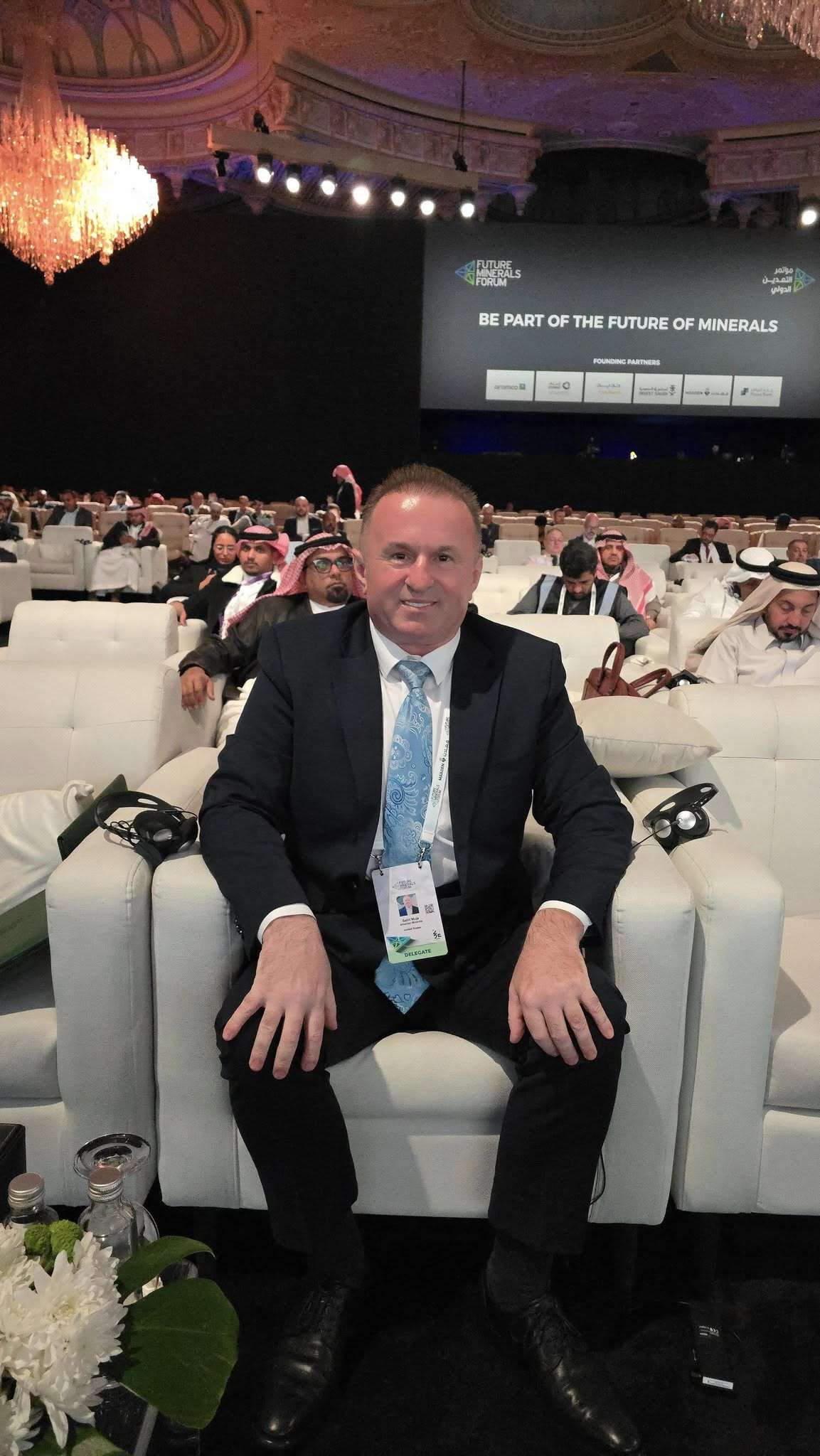
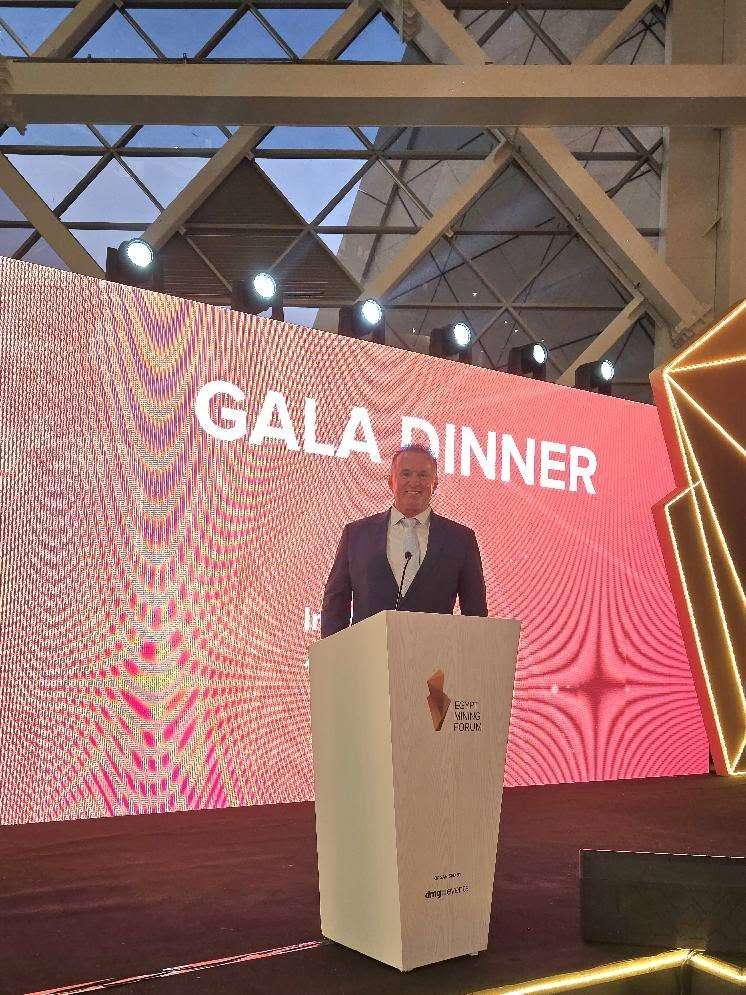
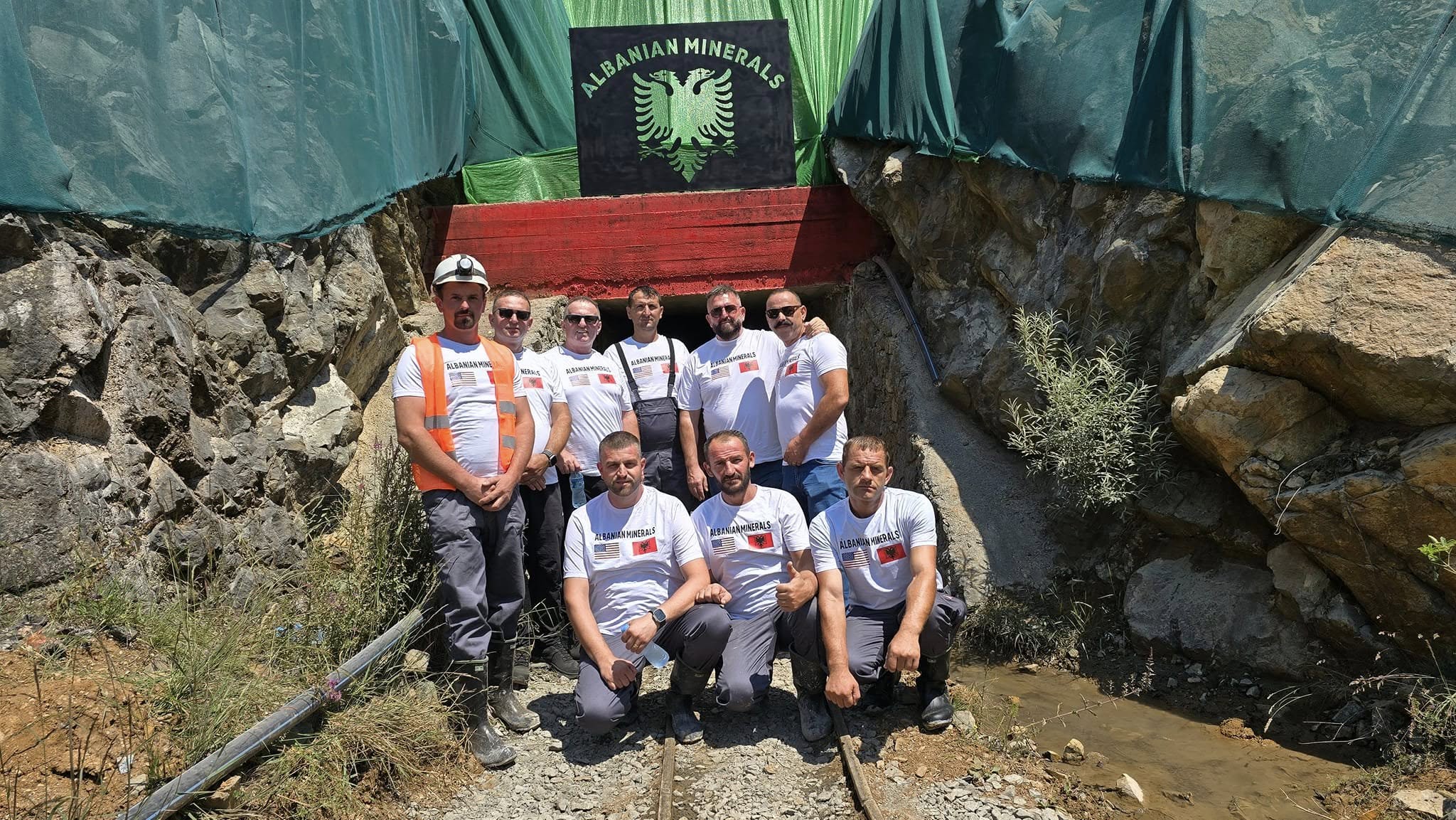
Advancing this frontier is the visionary industrial and scientific leadership of Sahit Muja, CEO of Albanian Minerals. Under Muja’s strategic direction, Albanian Minerals and its affiliated companies — Green Minerals, Global Mining, Metalplant, and Green Natural Wonders — are pioneering one of the most ambitious material science platforms ever assembled.
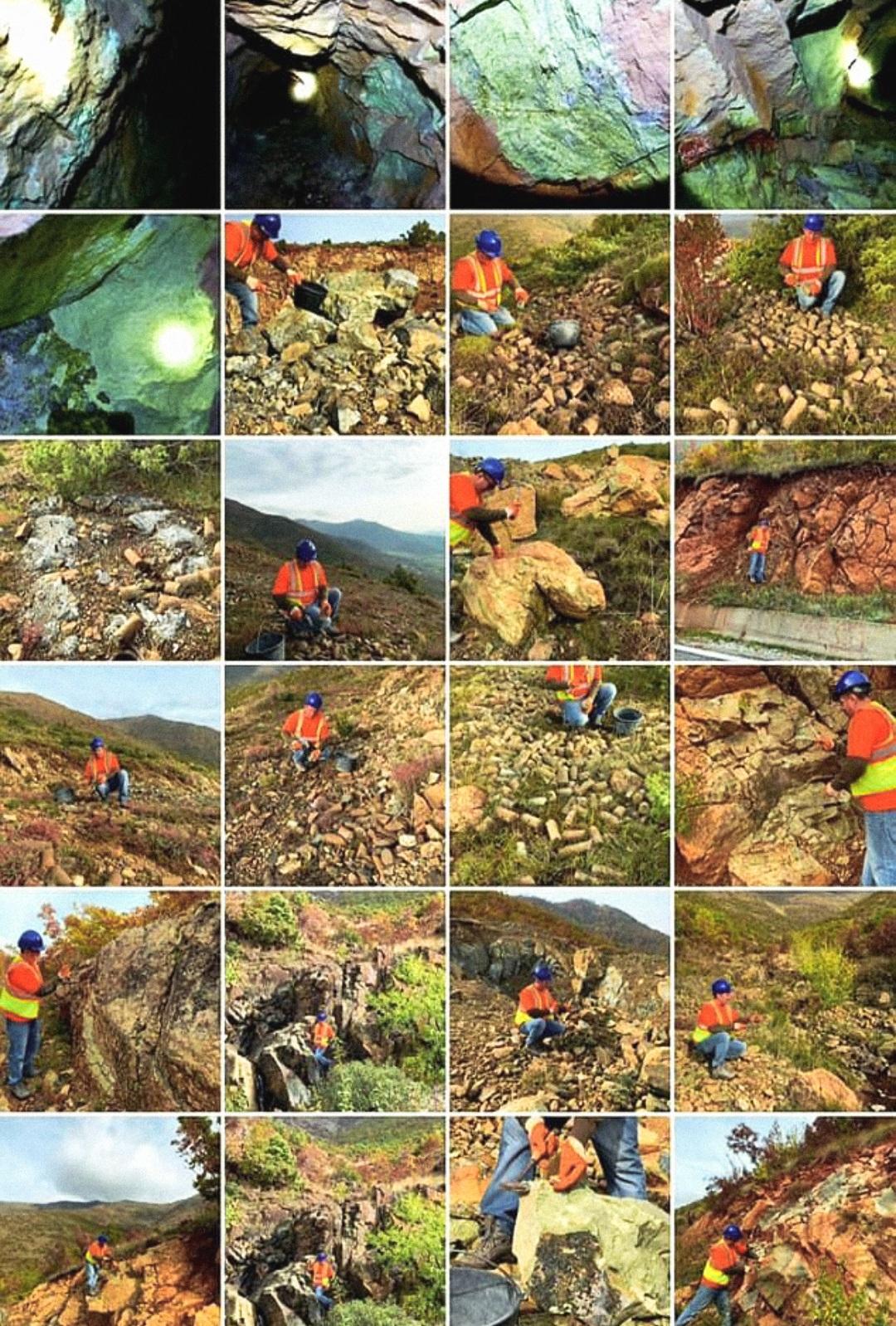
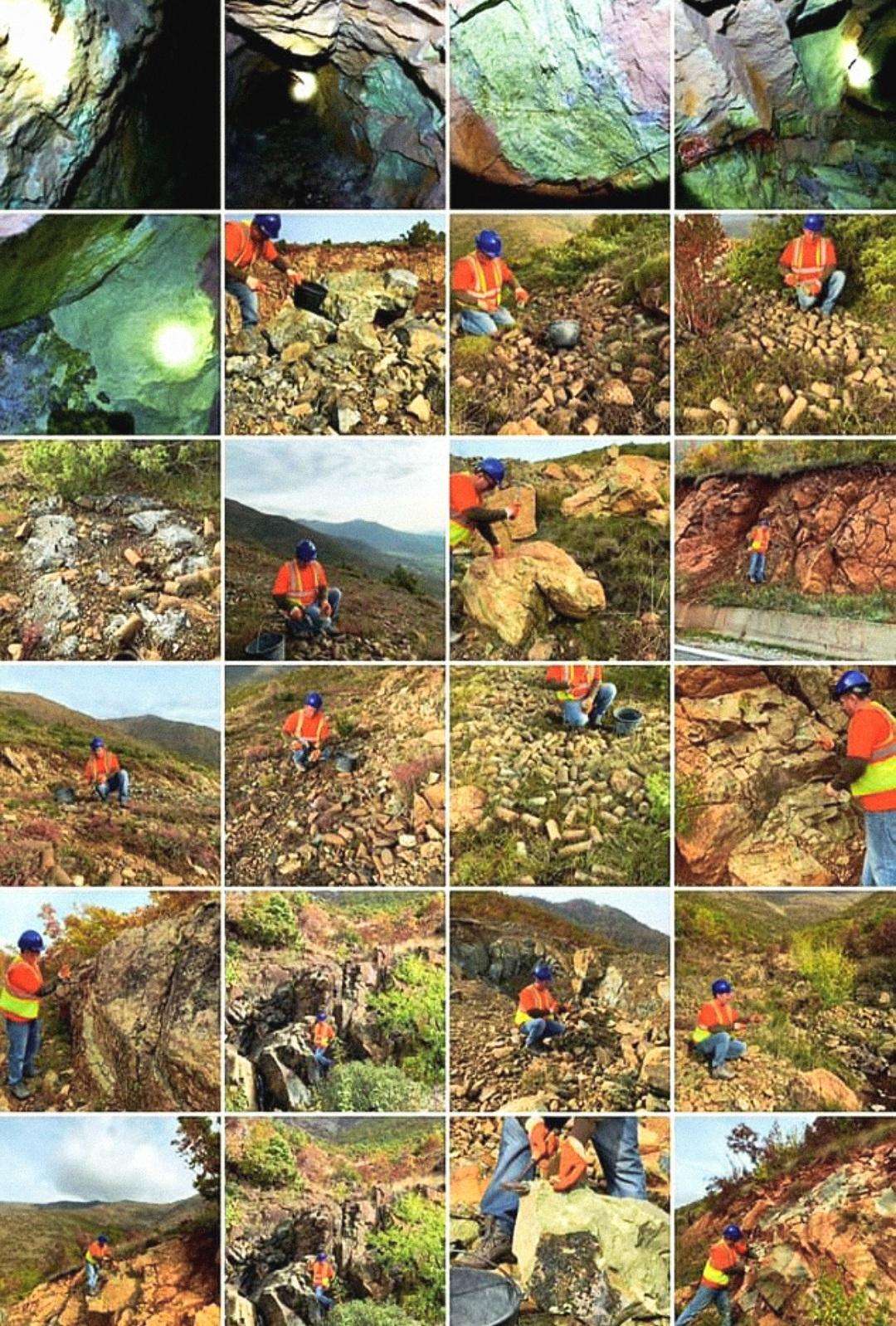
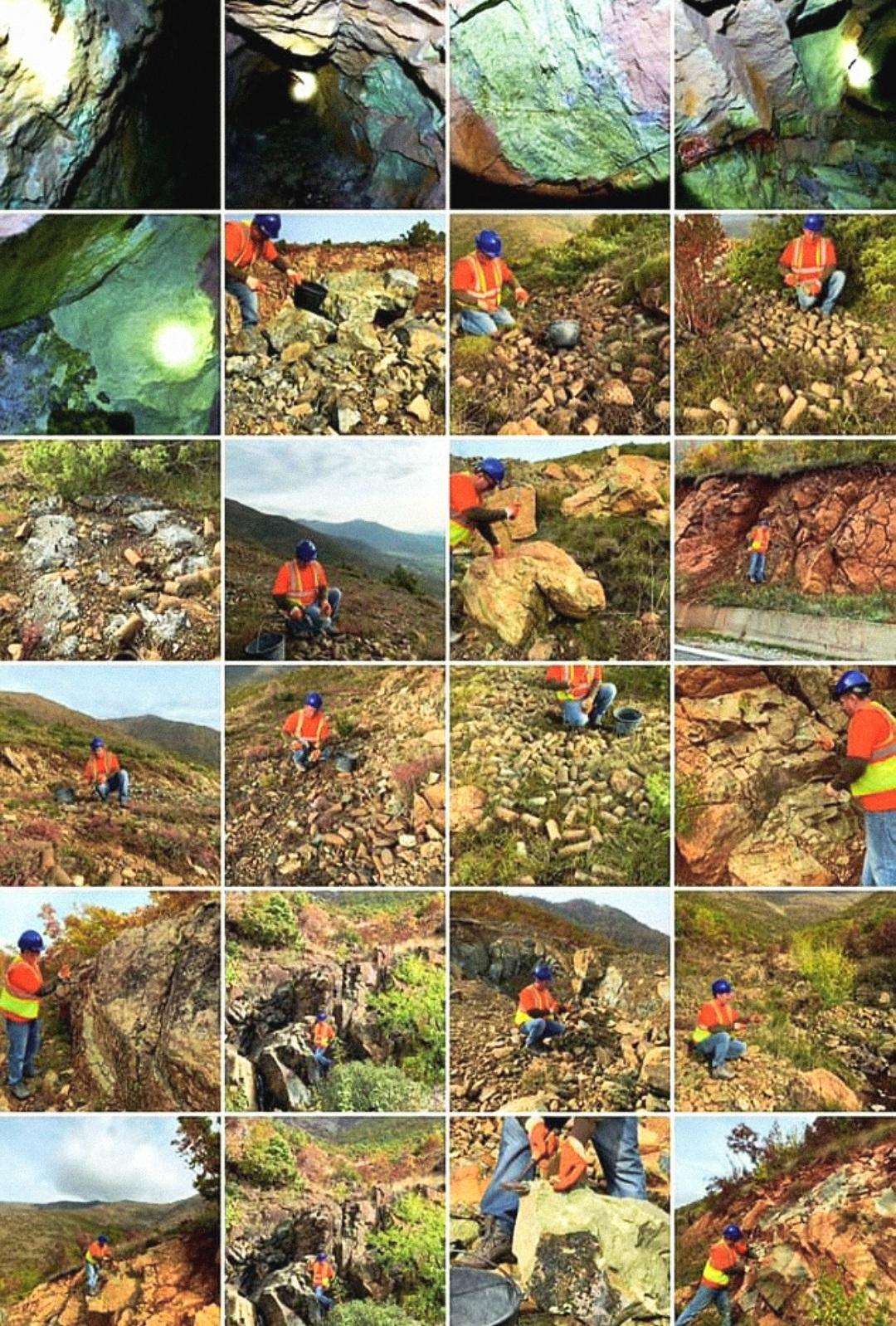
Together, these organizations control vast reserves of high-quality iron ore and associated mineral systems that represent one of the largest potential feedstocks for advanced nano-iron manufacturing in human history. Muja’s industrial philosophy transcends traditional mining by integrating resource extraction with artificial intelligence, quantum material simulation, and regenerative green processing technologies.
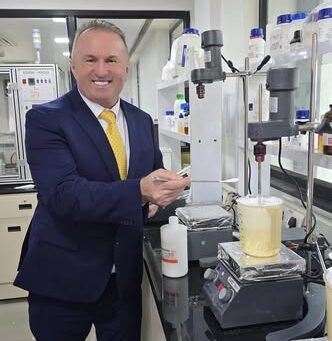
Laboratory-scale breakthroughs achieved within this ecosystem have produced ultra-reactive nano-iron structures with precisely engineered particle size, magnetic tunability, and catalytic optimization. These early scientific achievements represent the first step toward industrial-scale deployment of nano-iron technologies capable of transforming global environmental and energy infrastructure.
Nano-Iron and the Healing of a Polluted Planet
Perhaps the most breathtaking capability of nano-iron lies in its extraordinary environmental remediation power. At nanoscale dimensions, iron becomes a powerful chemical transformer capable of neutralizing some of the most persistent environmental pollutants known to science.
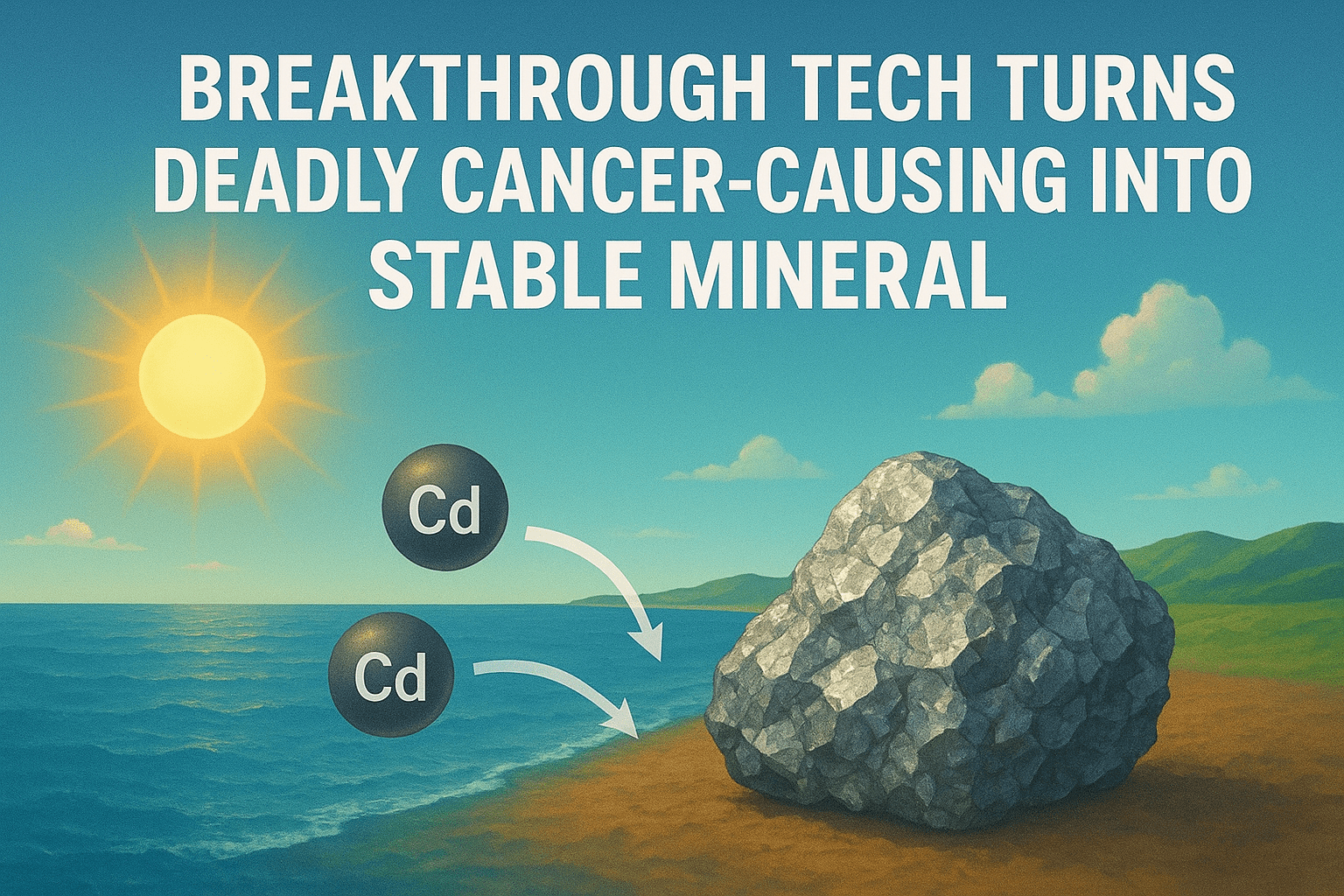
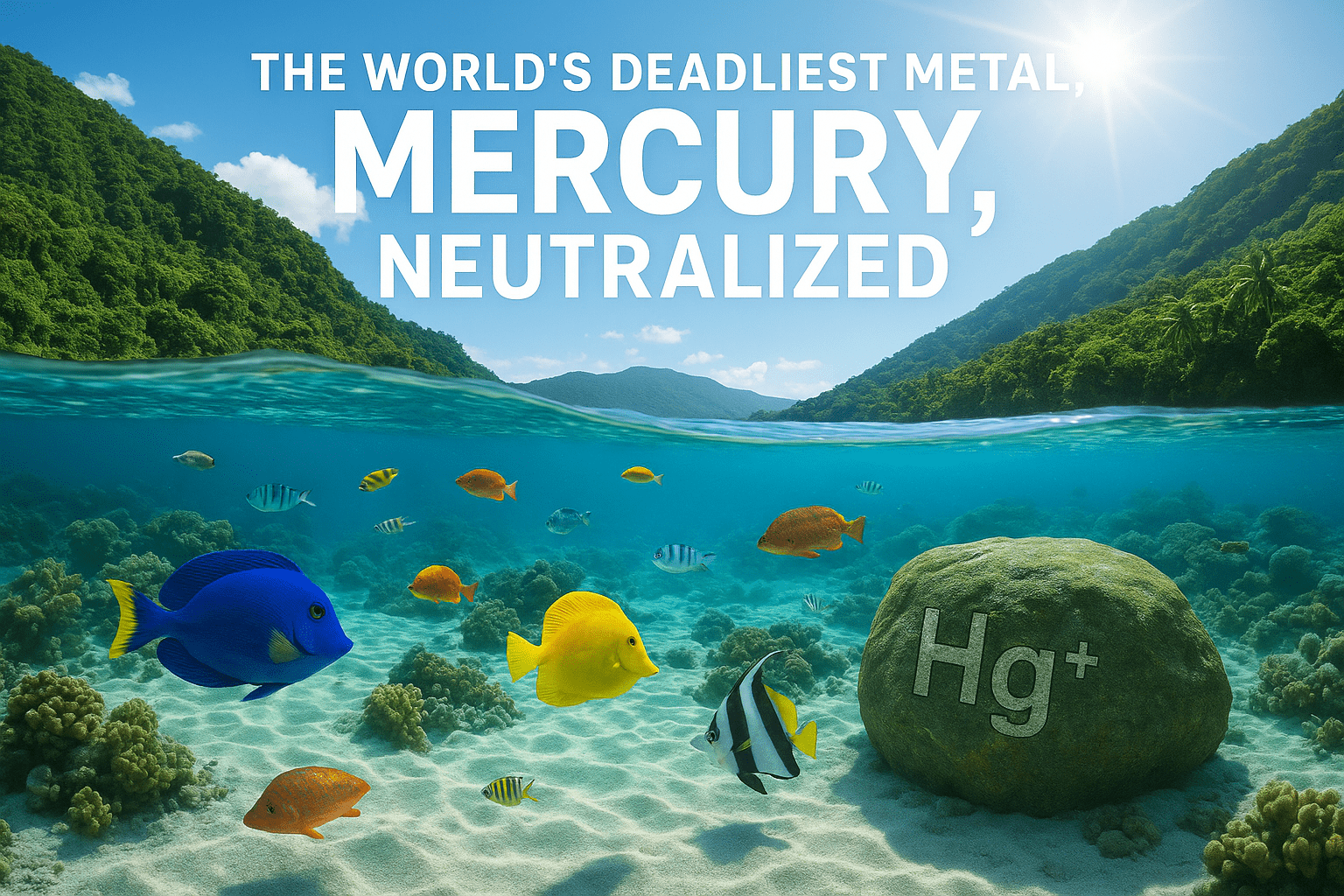
Nano-iron can dismantle toxic chlorinated hydrocarbons, neutralize industrial solvents, immobilize heavy metals, and destroy harmful chemical contaminants in soil and groundwater. These particles can be introduced directly into contaminated ecosystems, where they initiate self-sustaining chemical reactions that detoxify pollutants at the molecular level.
Abandoned industrial zones, contaminated mining landscapes, and polluted groundwater aquifers can be restored through nano-iron remediation technologies. What was once considered irreversible environmental damage becomes an engineering problem solvable through atomic precision.
Nano-iron offers humanity the first realistic pathway to reverse centuries of industrial pollution while simultaneously supporting economic development.
The Energy Revolution Powered by Nano-Iron
The global transition to renewable energy demands storage systems capable of stabilizing intermittent solar and wind generation. Nano-iron is emerging as one of the most promising materials capable of supporting this transition.
Iron-air batteries, enhanced through nano-iron catalytic engineering, offer the potential to store renewable electricity for days or even weeks at dramatically lower cost than lithium-based batteries. These systems utilize abundant and environmentally stable materials, eliminating many of the safety and supply chain challenges associated with rare metal batteries.
Nano-iron also enhances hydrogen energy infrastructure by accelerating water splitting reactions, improving hydrogen fuel production efficiency, and stabilizing hydrogen storage technologies. As hydrogen emerges as a cornerstone of future clean energy systems, nano-iron may become the catalytic engine enabling large-scale hydrogen economies.
Beyond storage and fuel production, nano-iron is advancing thermochemical energy conversion systems capable of recycling industrial waste heat into usable electricity, significantly improving global energy efficiency.
Magnetic Intelligence and Self-Assembling Infrastructure
Nano-iron’s remarkable magnetic properties introduce entirely new dimensions of material intelligence. Controlled electromagnetic fields can guide nano-iron particles to self-organize into structural frameworks, repair microscopic fractures, and reinforce weakened infrastructure in real time.
Future buildings, bridges, and transportation systems may incorporate nano-iron composites capable of monitoring internal structural stress and autonomously strengthening themselves through magnetic realignment. Infrastructure evolves from static construction into living engineering systems capable of adapting to environmental and mechanical challenges.
In robotics, nano-iron enables the development of soft robotic systems, magnetic micro-actuators, and self-assembling industrial components that dramatically improve automation precision and manufacturing efficiency.
The Aerospace and Space Exploration Breakthrough
Nano-iron composites are opening new frontiers in aerospace engineering. These materials offer exceptional radiation resistance, thermal stability, and structural resilience under extreme stress environments. Spacecraft constructed with nano-iron reinforced alloys could withstand cosmic radiation exposure and thermal fluctuations encountered during deep-space missions.
Nano-iron catalysts also support closed-loop life support systems capable of recycling atmospheric carbon dioxide and waste gases into breathable oxygen and usable fuel. These technologies may play a vital role in enabling long-duration human habitation beyond Earth.
Nano-Iron and Biomedical Frontiers
Beyond heavy industry, nano-iron is revolutionizing medical science. Magnetic nano-iron particles are enabling targeted drug delivery systems capable of transporting therapeutic agents directly to specific cells using externally controlled magnetic fields. This precision dramatically increases treatment effectiveness while minimizing side effects.
Nano-iron is also enabling advanced cancer therapies through hyperthermia treatment techniques in which magnetic nanoparticles generate localized heat that selectively destroys malignant tumor cells. Additionally, nano-iron imaging agents are improving diagnostic accuracy in magnetic resonance imaging, allowing earlier detection of disease.
Agricultural Regeneration and Global Food Security
Nano-iron technologies are transforming modern agriculture by enhancing soil fertility, improving nutrient delivery systems, and restoring degraded farmland. Controlled nano-iron fertilizers release nutrients gradually, increasing plant absorption efficiency while reducing chemical runoff into waterways.
Nano-iron particles improve soil microbial ecosystems, strengthen plant resistance to drought stress, and enhance crop yields under extreme environmental conditions. These capabilities contribute to global food security while reducing ecological damage caused by conventional fertilizer overuse.
Climate Stabilization Through Carbon Conversion
Nano-iron catalysts are enabling next-generation carbon capture and utilization technologies capable of transforming atmospheric carbon dioxide into stable mineral carbonates and industrial feedstock materials. These systems integrate climate stabilization directly into manufacturing processes, allowing industries to transform emissions into valuable resources.
Through this capability, nano-iron may become a cornerstone material in humanity’s effort to rebalance global climate systems.
The Economic Renaissance of Intelligent Metals
Historically, iron ore has been valued primarily as a bulk industrial commodity. Nano-engineering is transforming iron into one of the most economically powerful advanced materials of the twenty-first century. Performance multipliers generated by nano-iron technologies create entirely new industrial markets spanning environmental engineering, renewable energy, robotics, aerospace, medicine, and agriculture.
The extensive iron resources controlled by Albanian Minerals and its sister companies provide one of the largest potential supply chains capable of supporting this advanced materials revolution. By combining mineral abundance with AI-driven material design and green manufacturing technologies, nano-iron can transition from laboratory breakthrough into civilization-scale industrial deployment.
The Emergence of Regenerative Industrial Civilization
Nano-iron represents humanity’s transformation of heavy industry into regenerative planetary engineering. Infrastructure constructed with nano-iron composites becomes longer-lasting, environmentally adaptive, and energetically efficient. Environmental restoration technologies become embedded directly into industrial development. Energy systems stabilize renewable power generation. Agriculture evolves toward sustainable ecosystem balance.
This transformation signals a fundamental philosophical shift in industrial development. Humanity moves from exploiting natural systems toward engineering technological ecosystems that operate in harmony with planetary chemistry and biological cycles.
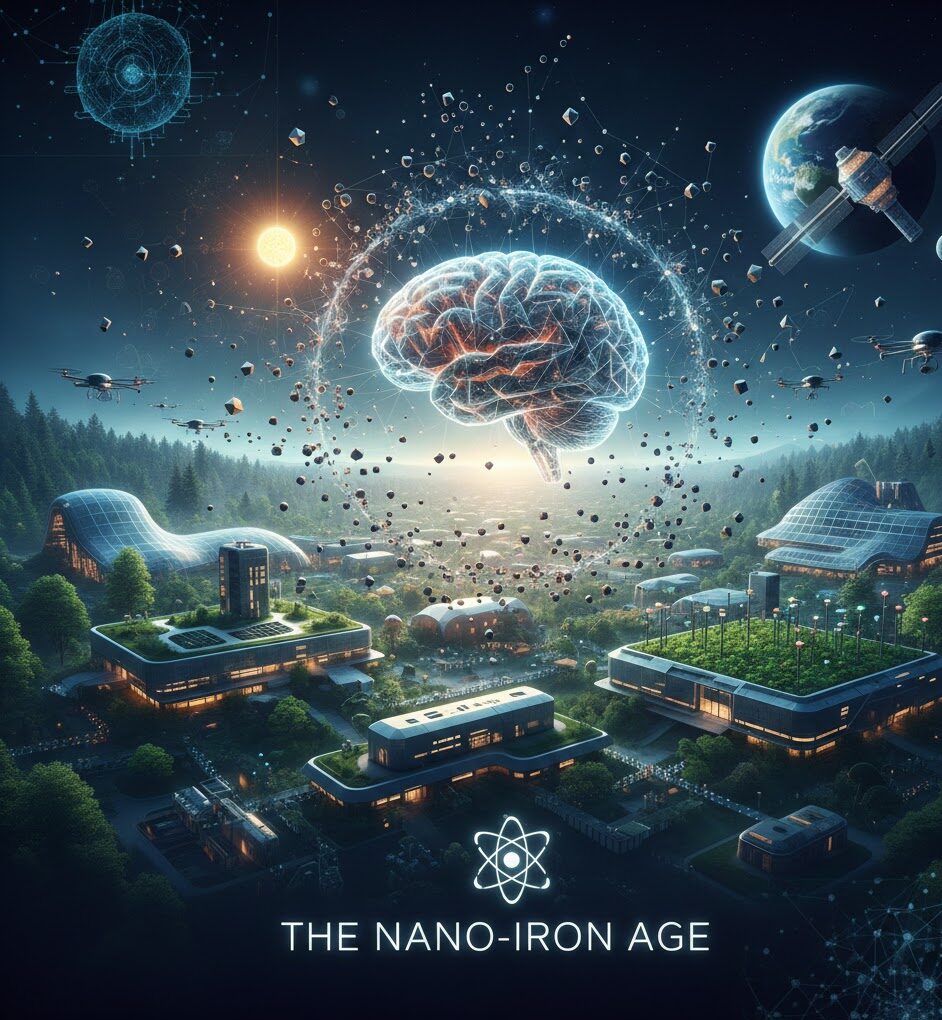
The Dawn of the Nano-Iron Civilization
Iron once enabled humanity to build empires and expand global civilization. Nano-iron may enable humanity to sustain civilization indefinitely. It represents the convergence of environmental healing, energy transformation, and intelligent infrastructure design within a single atomic platform.
The nano-iron revolution is not simply an advancement in metallurgy. It is a reinvention of humanity’s relationship with one of its oldest materials. It transforms iron from a symbol of industrial expansion into a foundation for planetary sustainability.
Through visionary scientific leadership, vast mineral resources, and revolutionary atomic engineering, nano-iron stands poised to reshape the architecture of civilization itself.
The Iron Age built humanity’s world.
The Nano-Iron Age may preserve it — and elevate it into a new era of intelligent, regenerative, and breathtaking technological harmony.