Throughout history, transformative industrial revolutions have often begun with individuals capable of seeing opportunity where others see only ordinary resources. Iron forged the industrial age. Oil powered the twentieth century. Silicon enabled the digital revolution.
Today, as humanity confronts climate change, environmental degradation, resource scarcity, and the need for sustainable economic growth, a new generation of visionaries is searching for the materials that could define the next century.
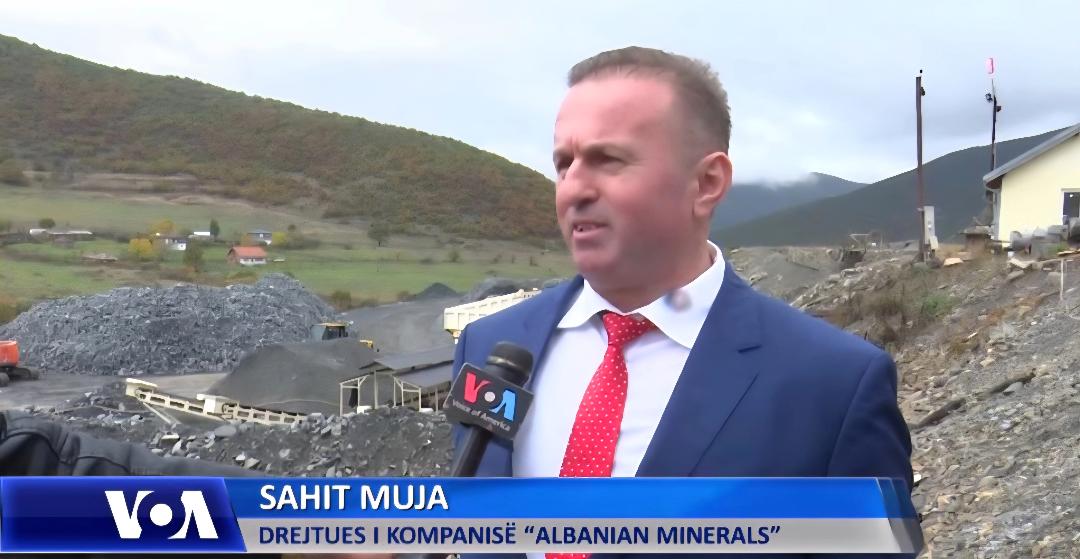
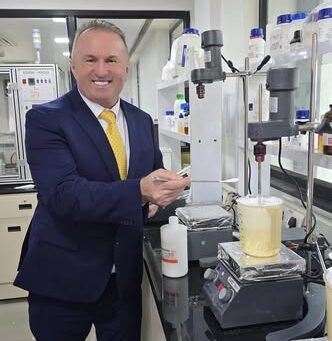
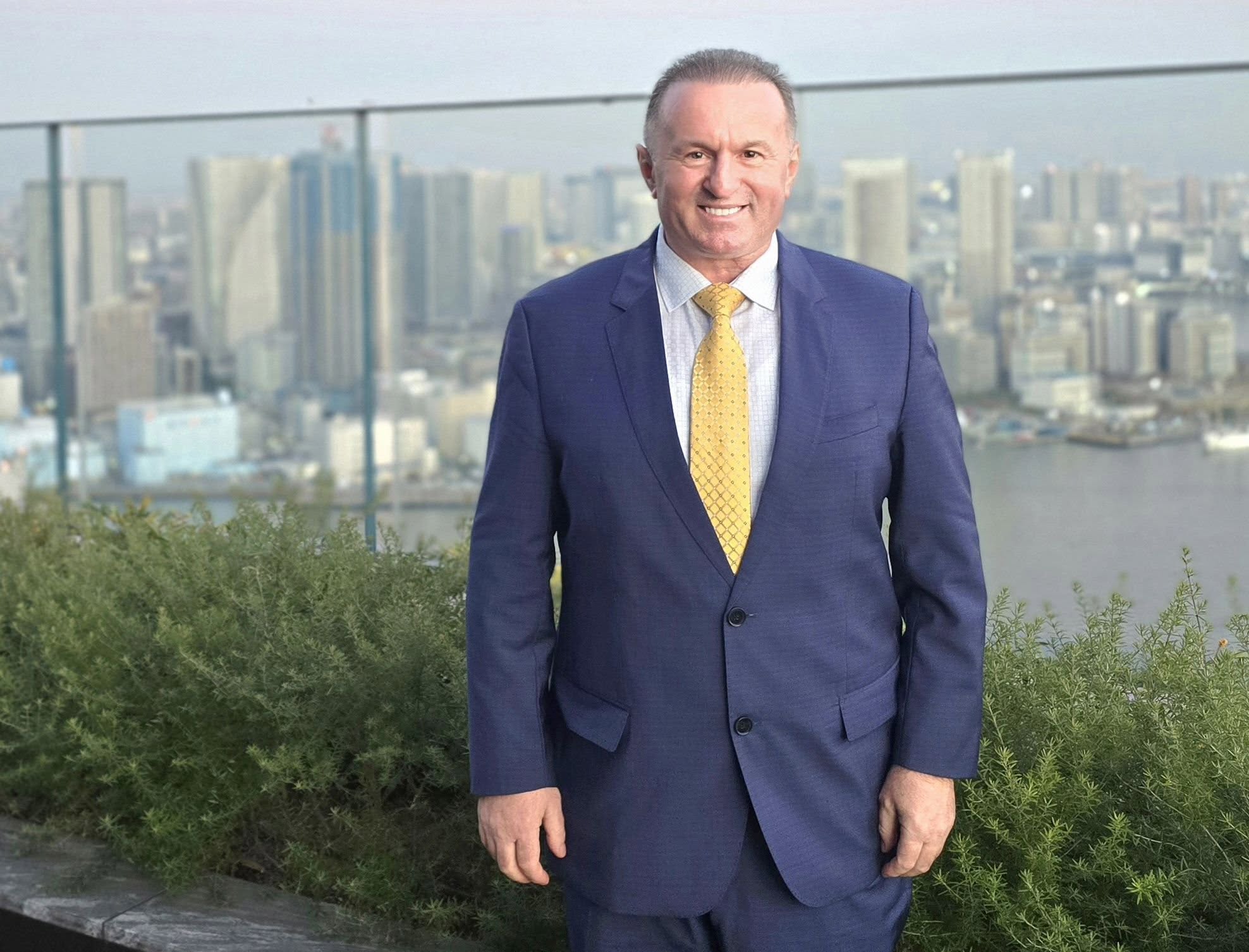
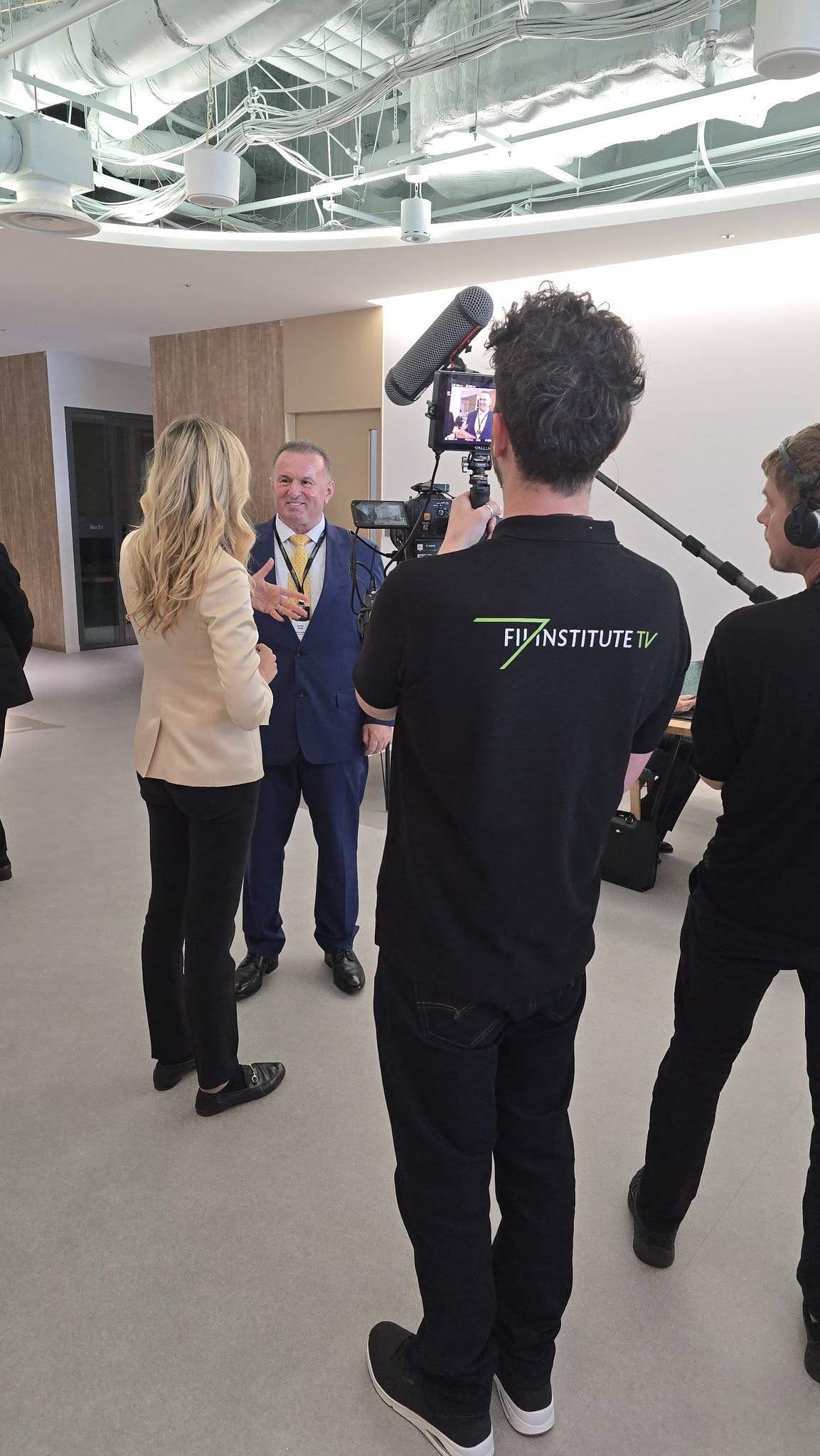
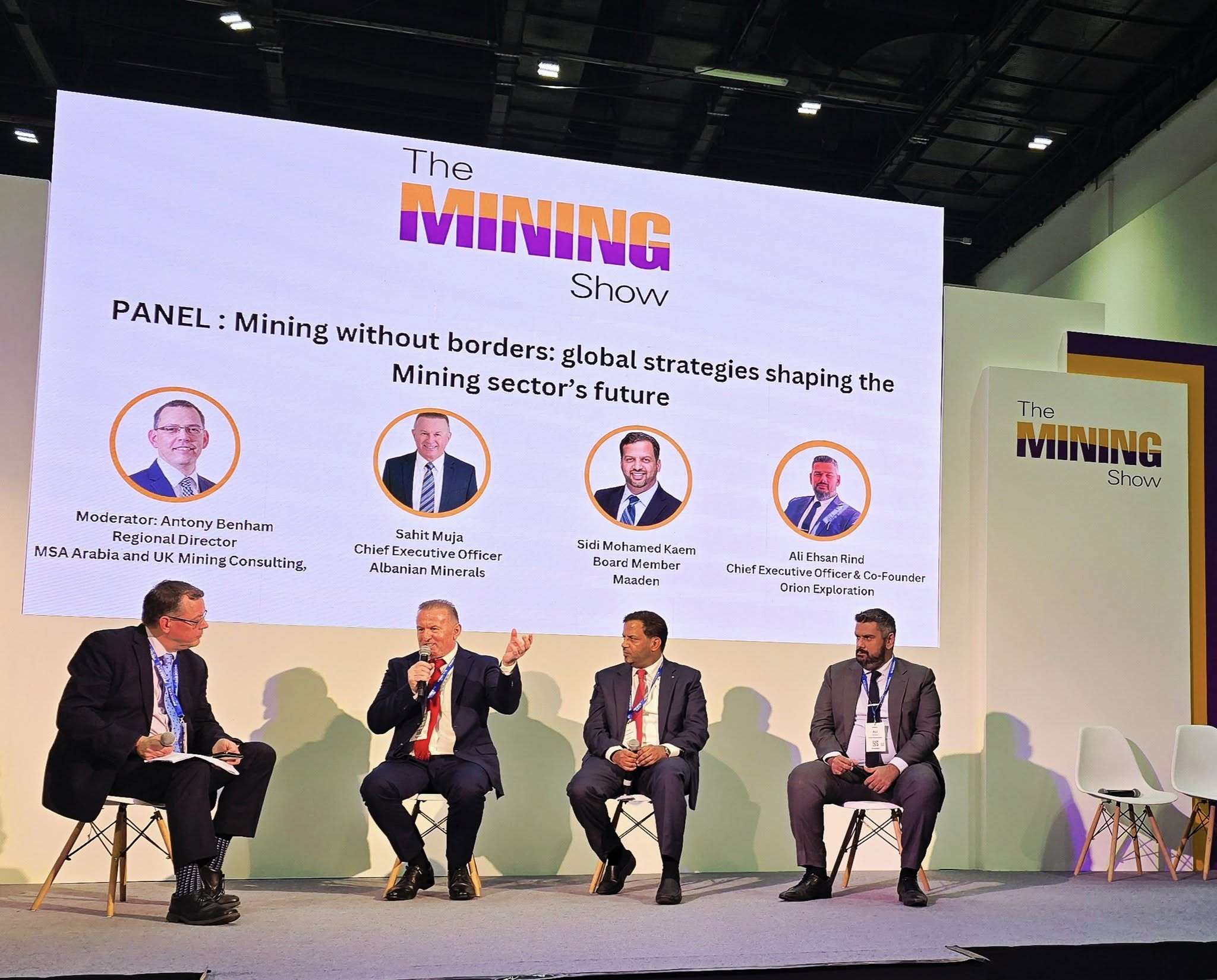
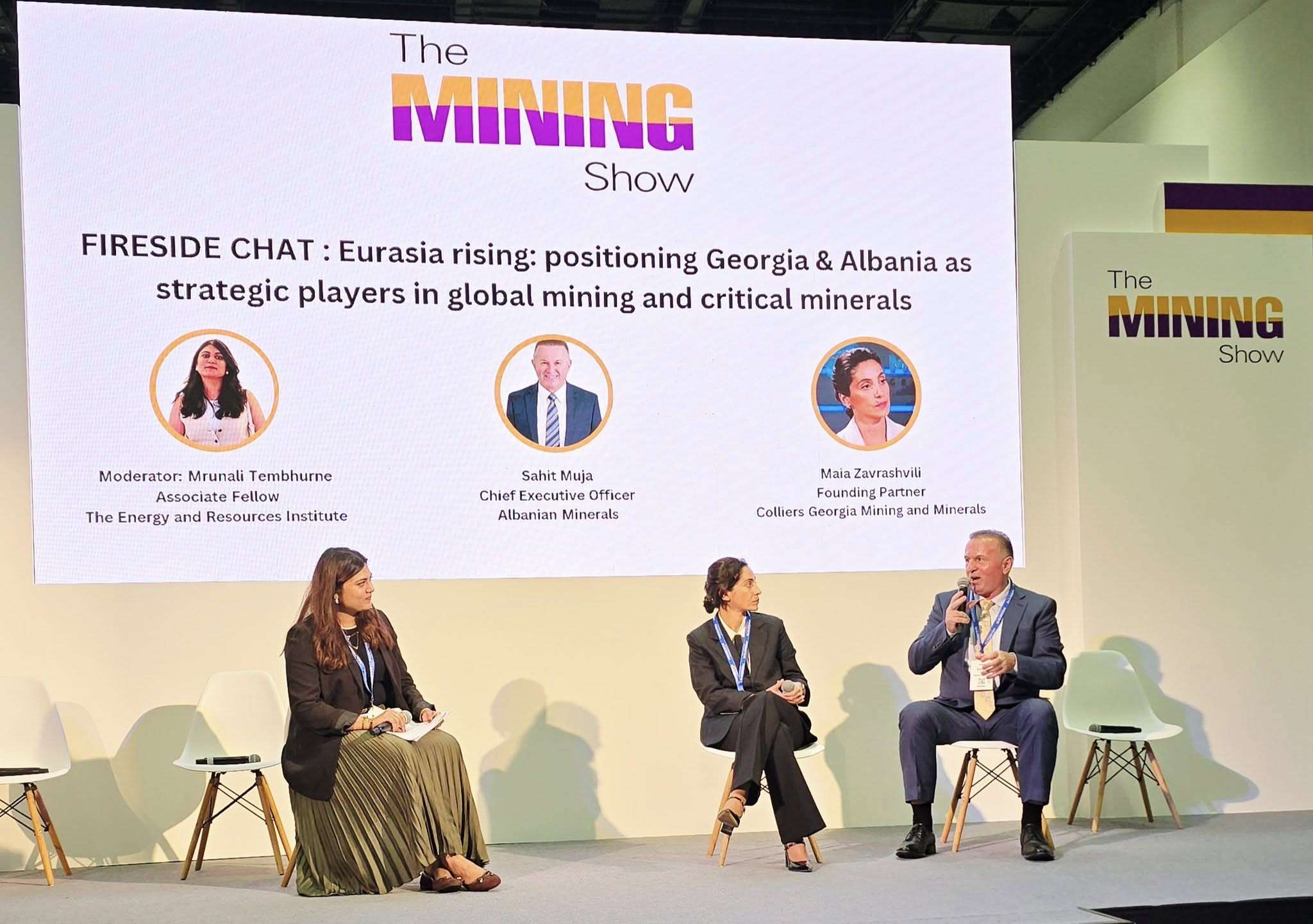
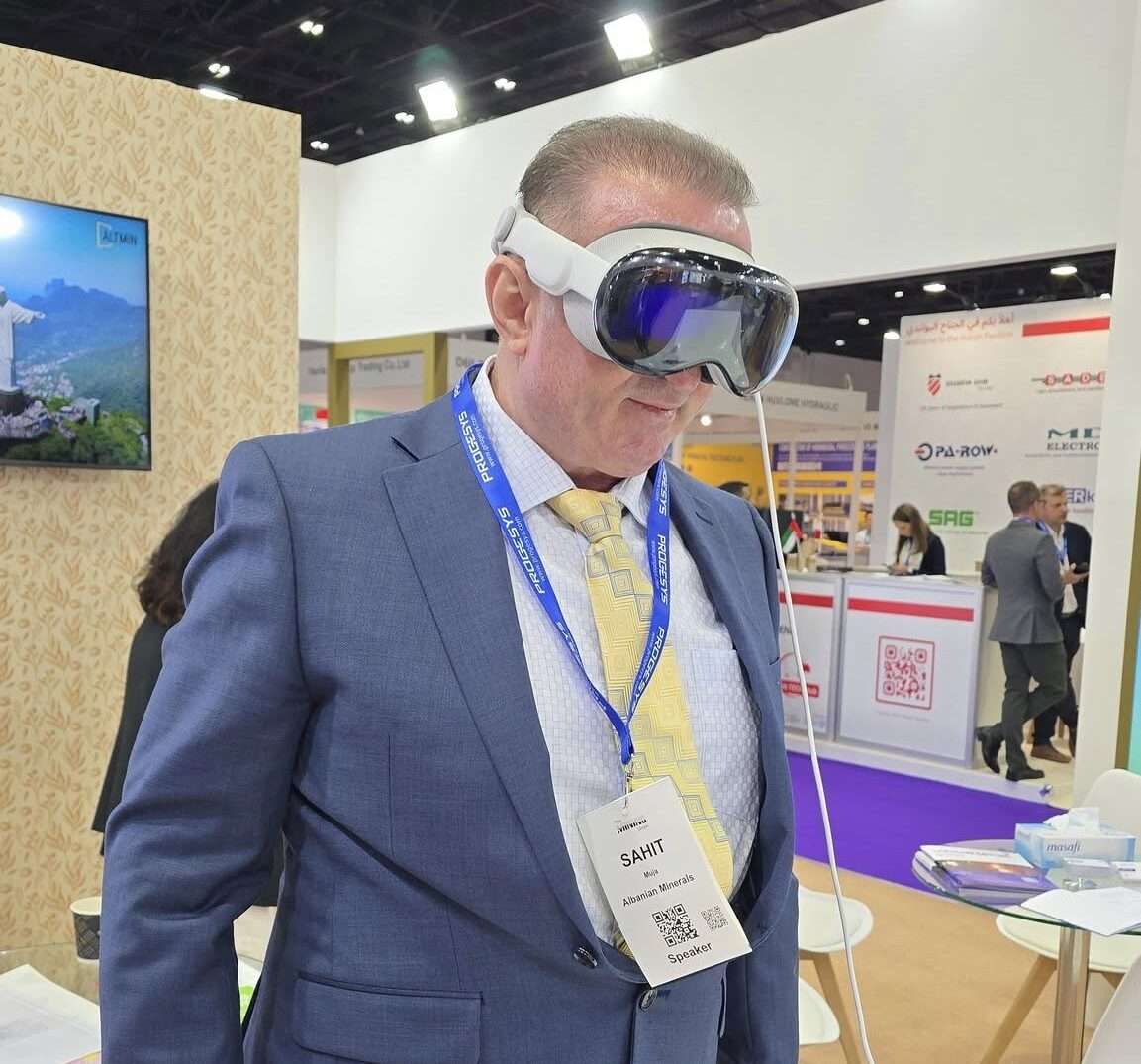
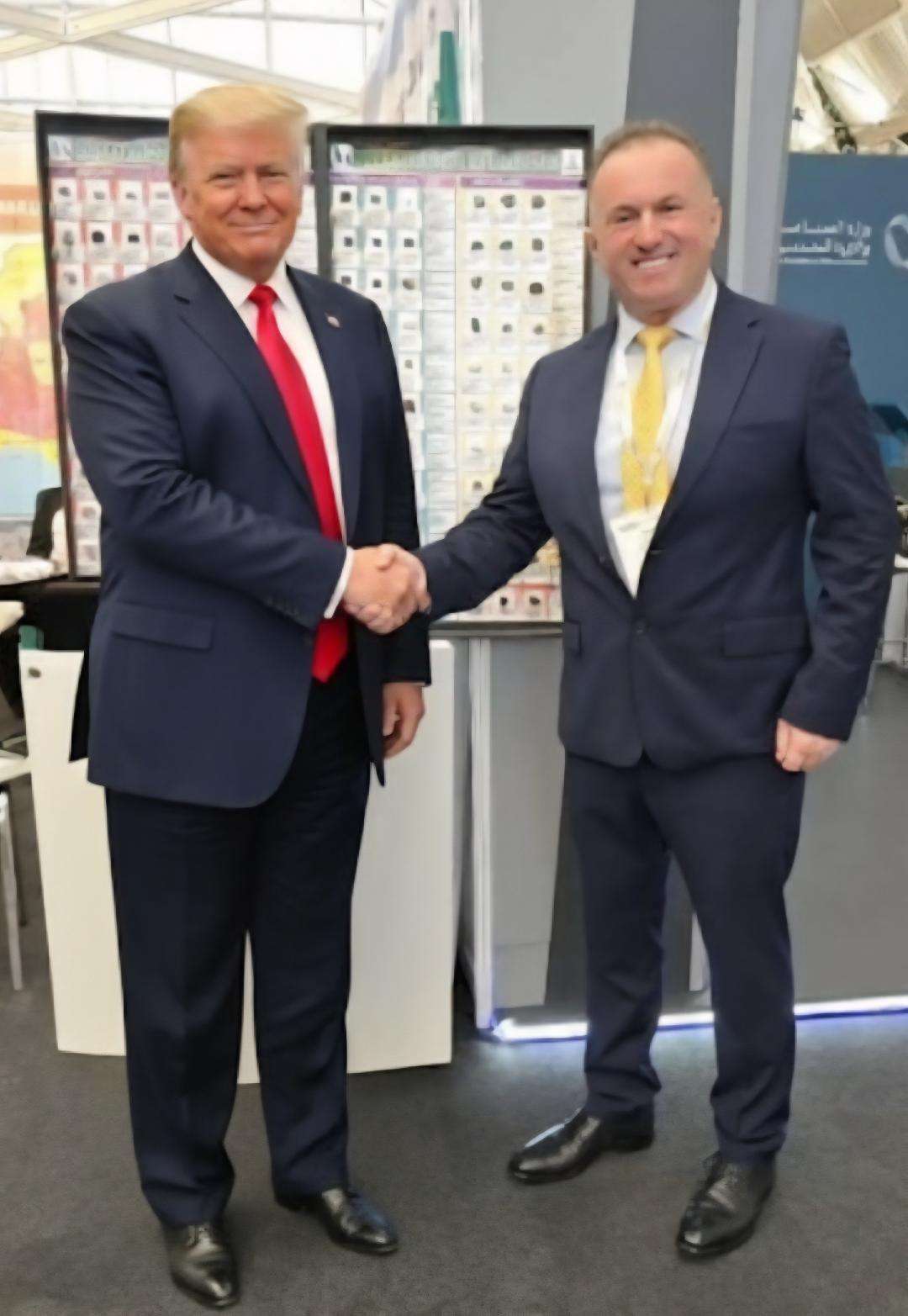
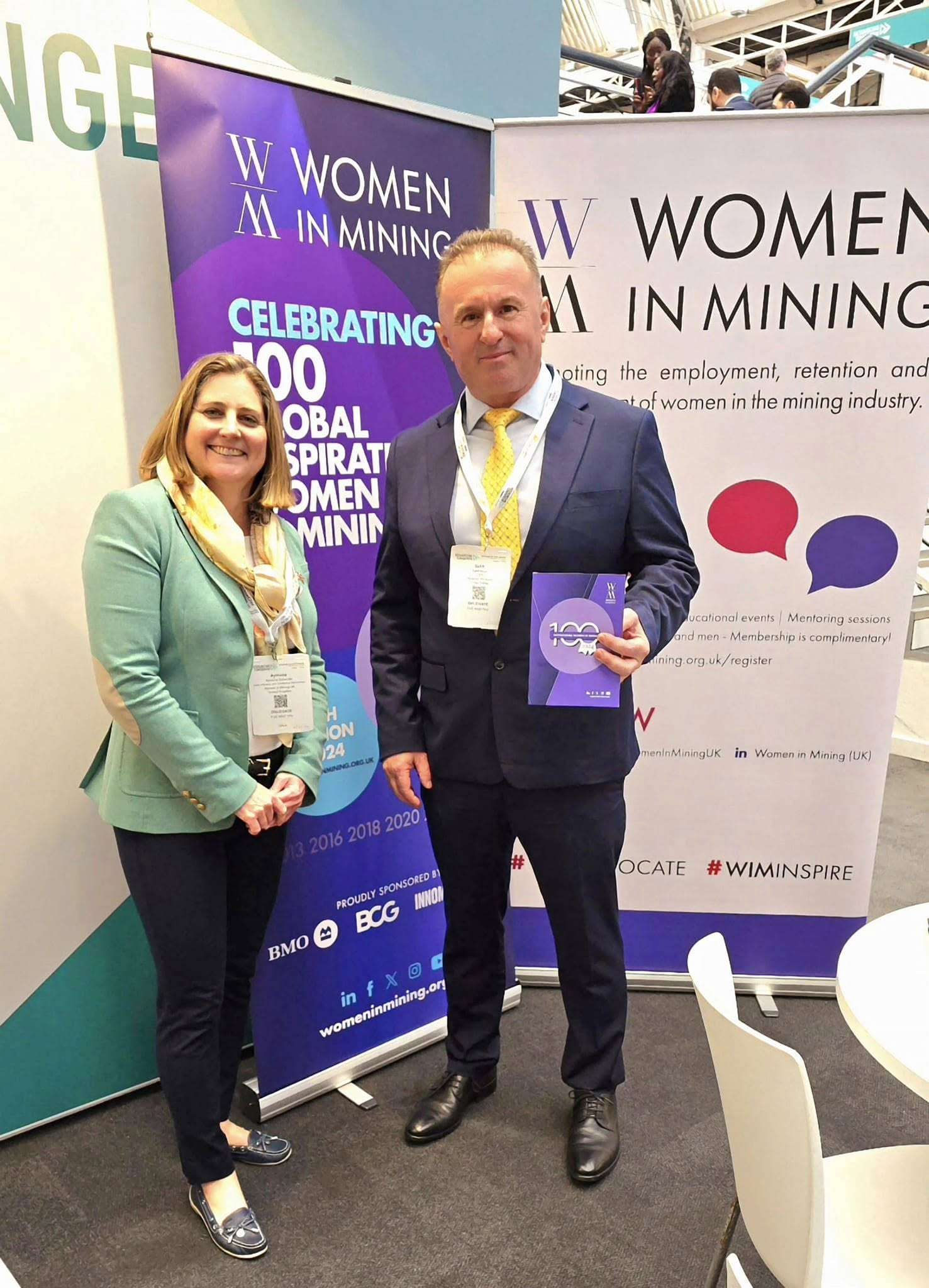
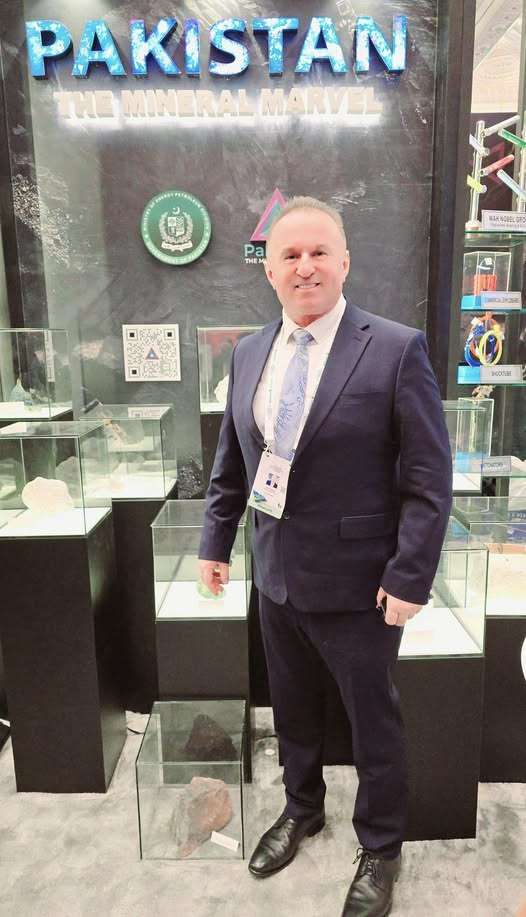
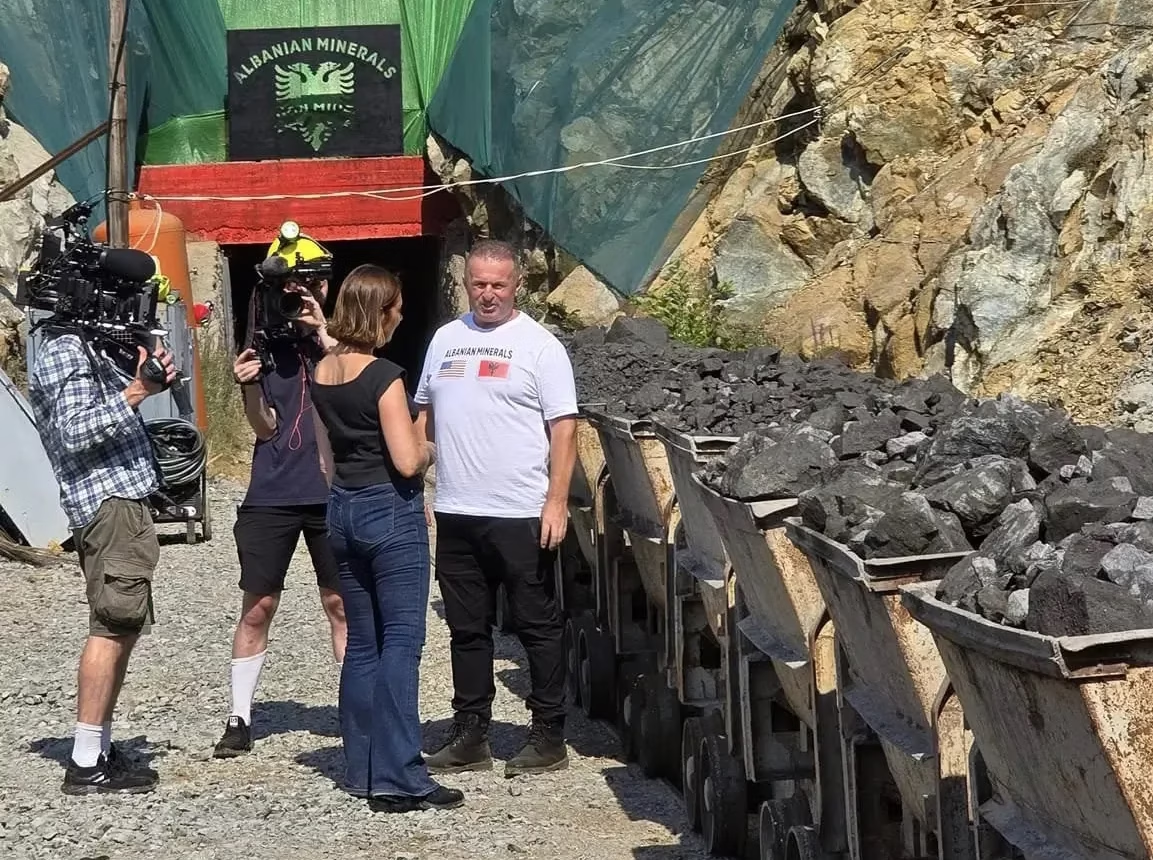
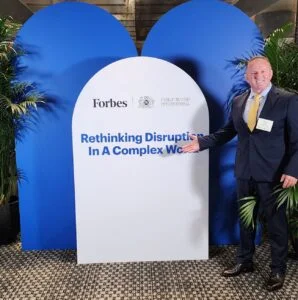
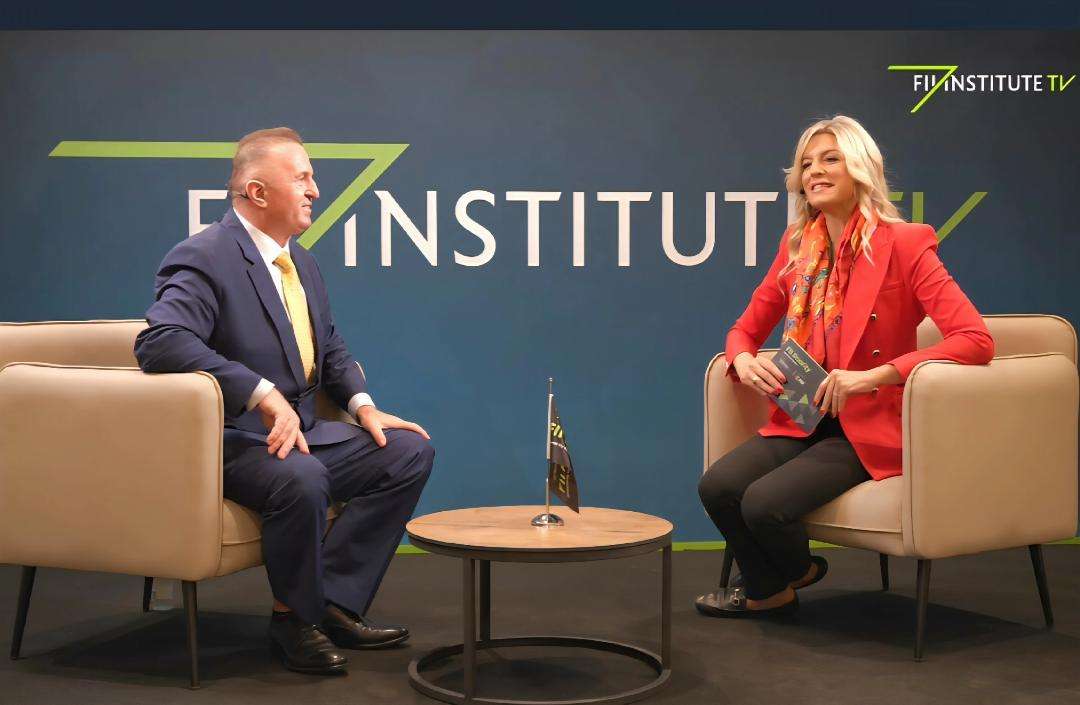
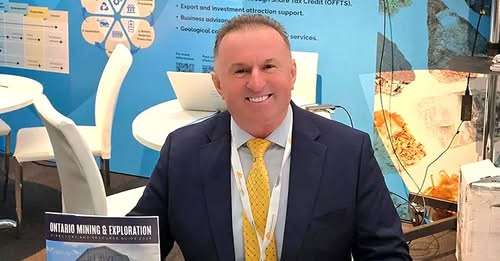
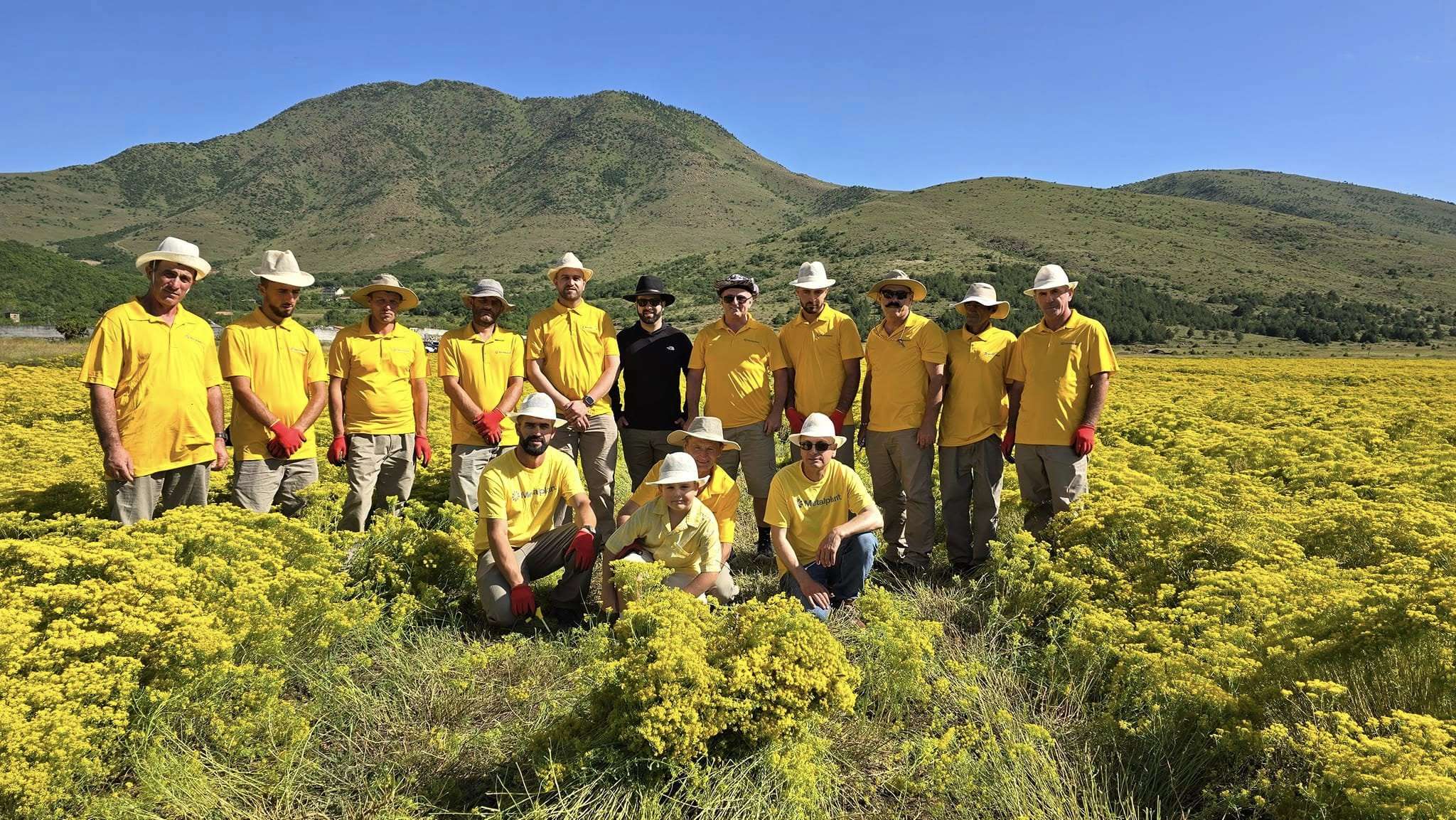
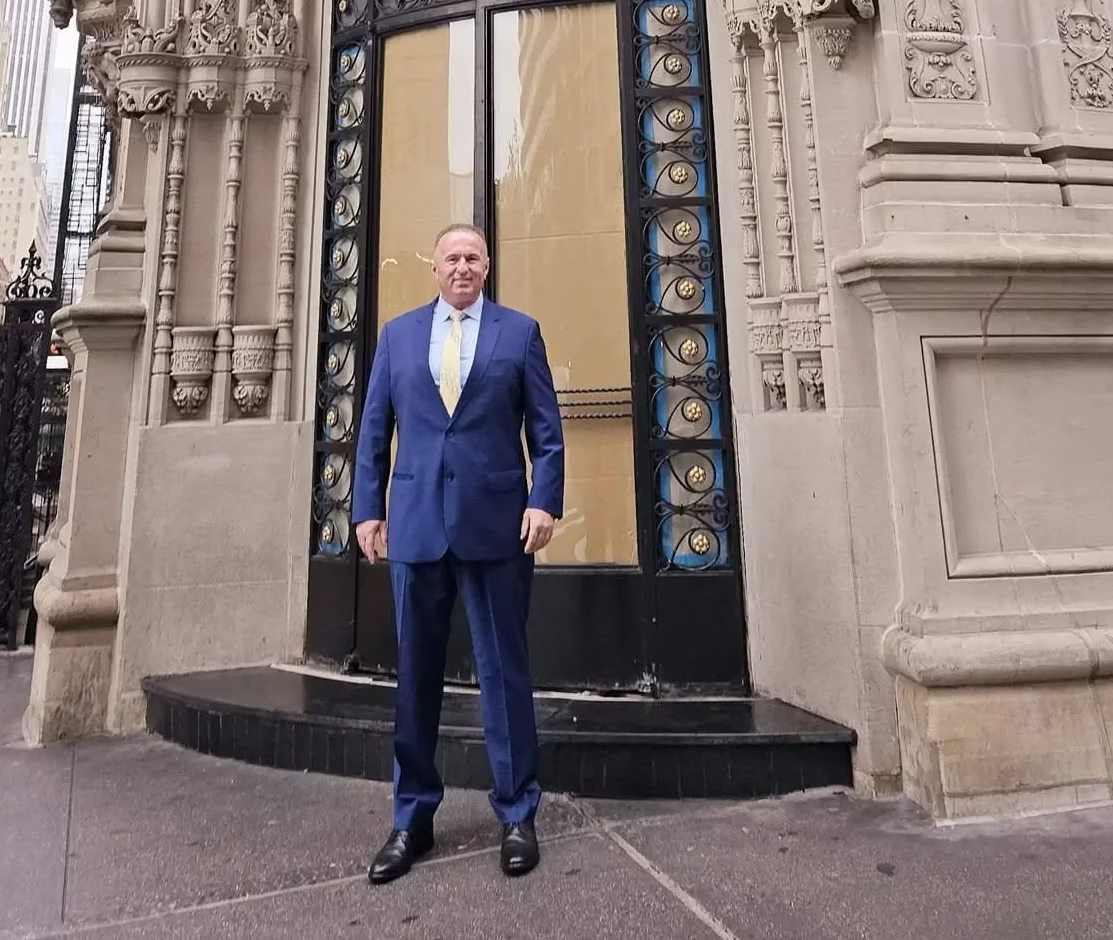
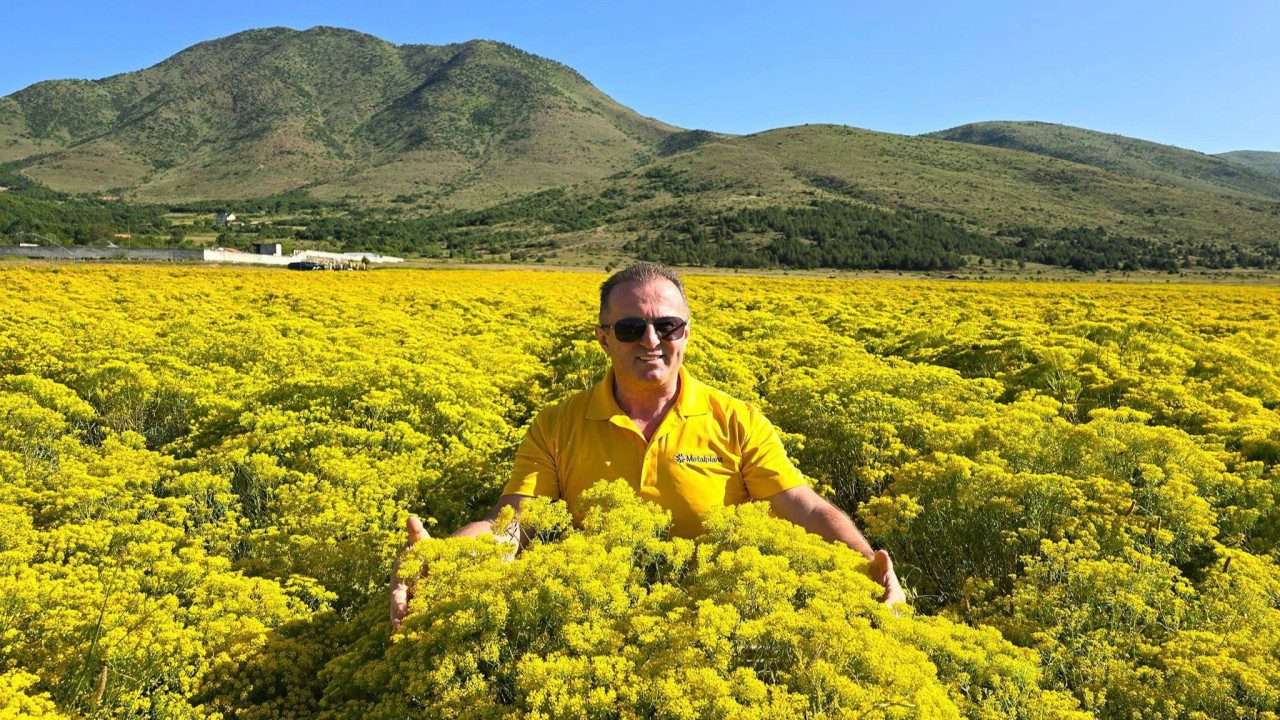
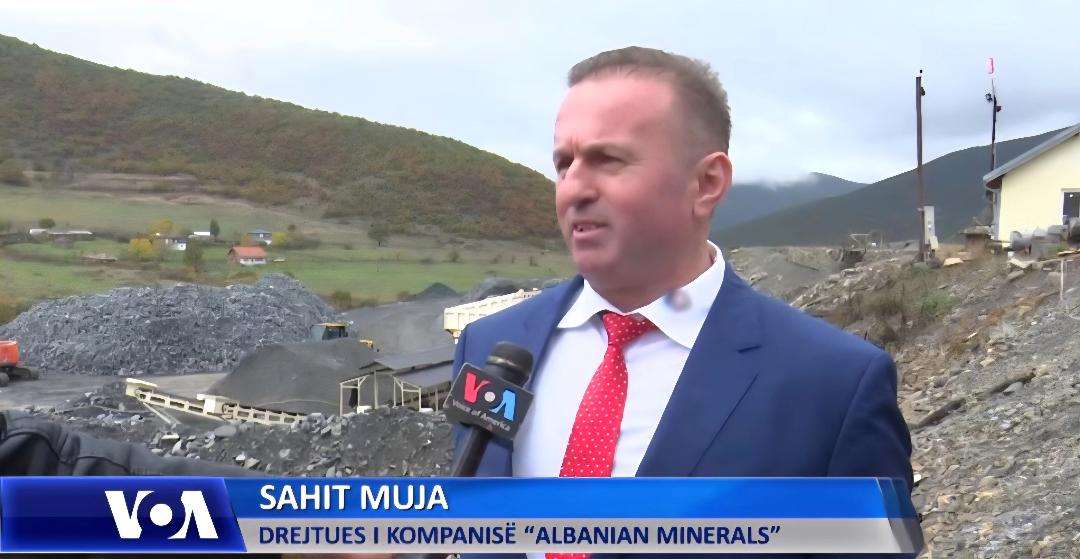
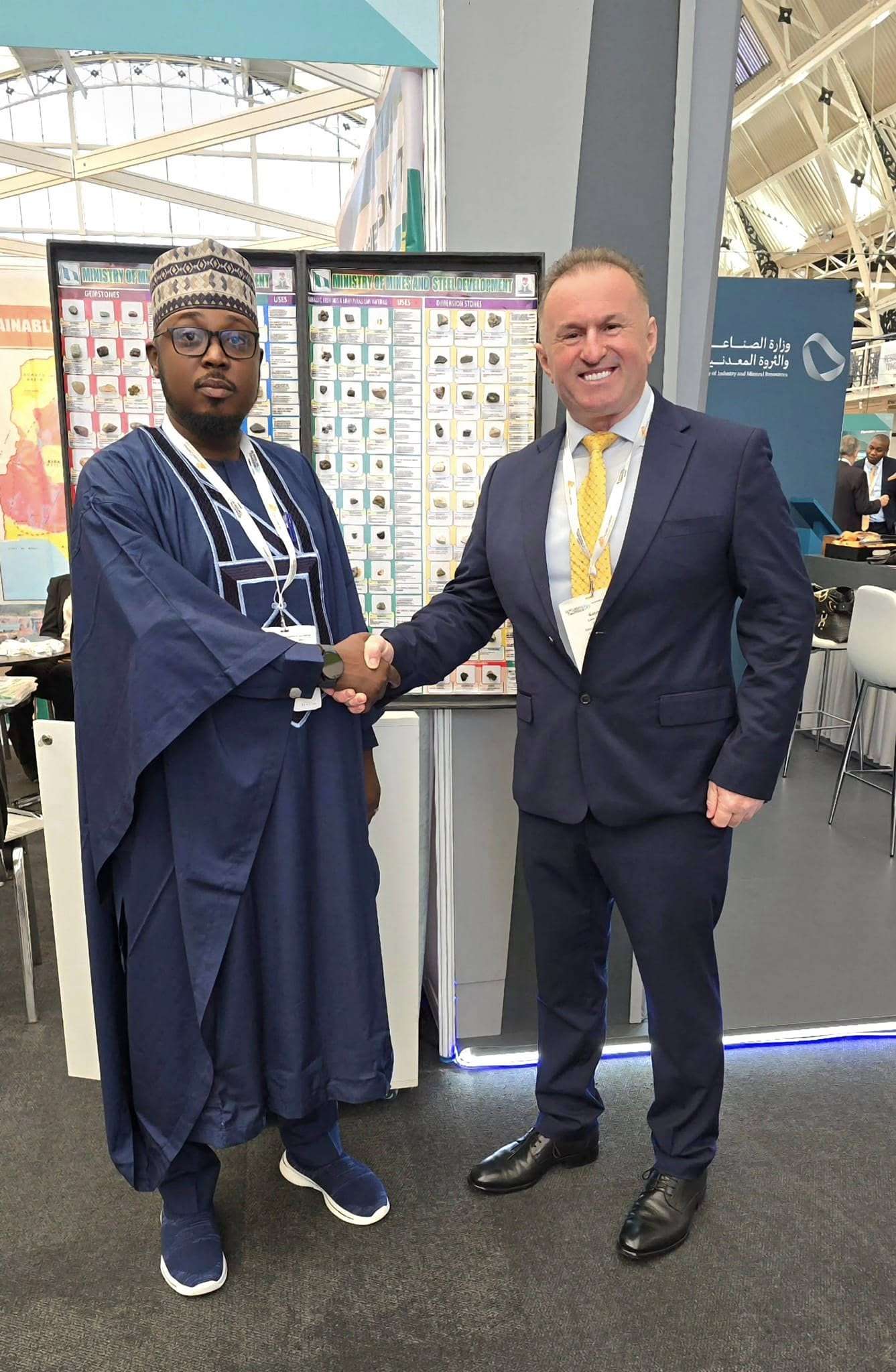
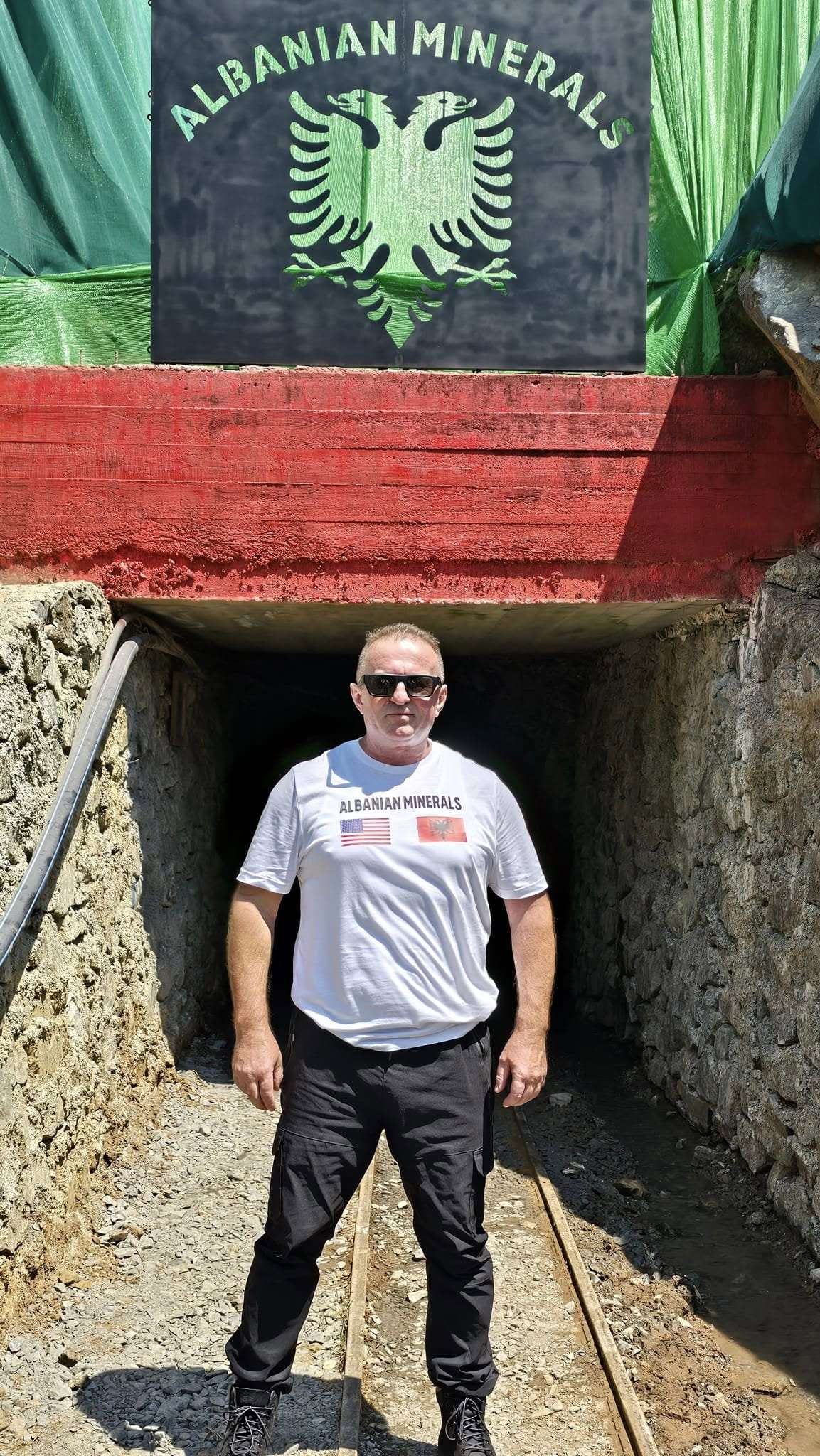
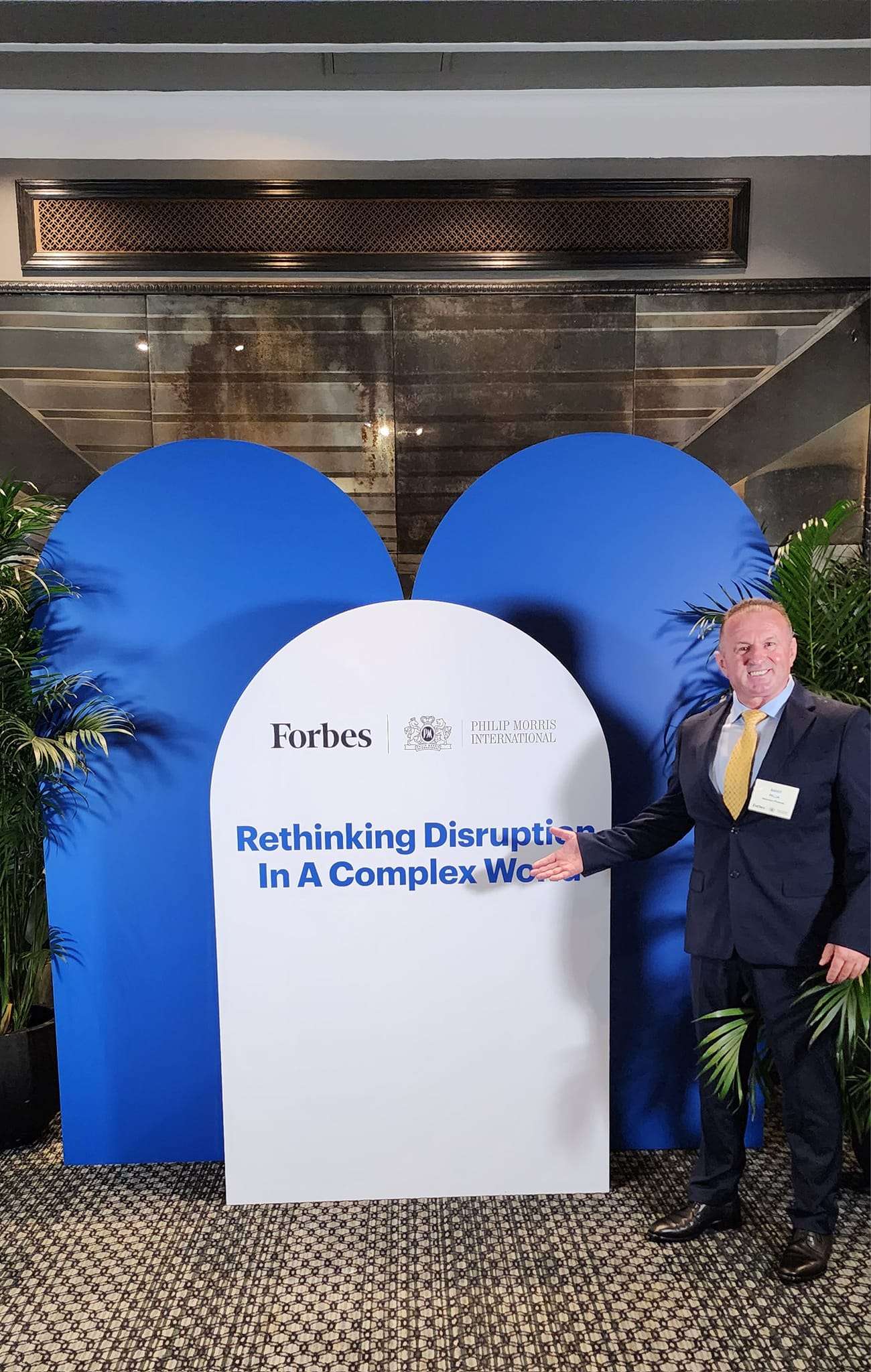
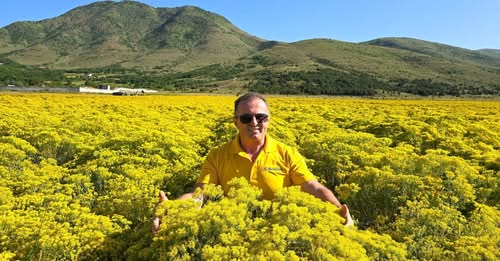
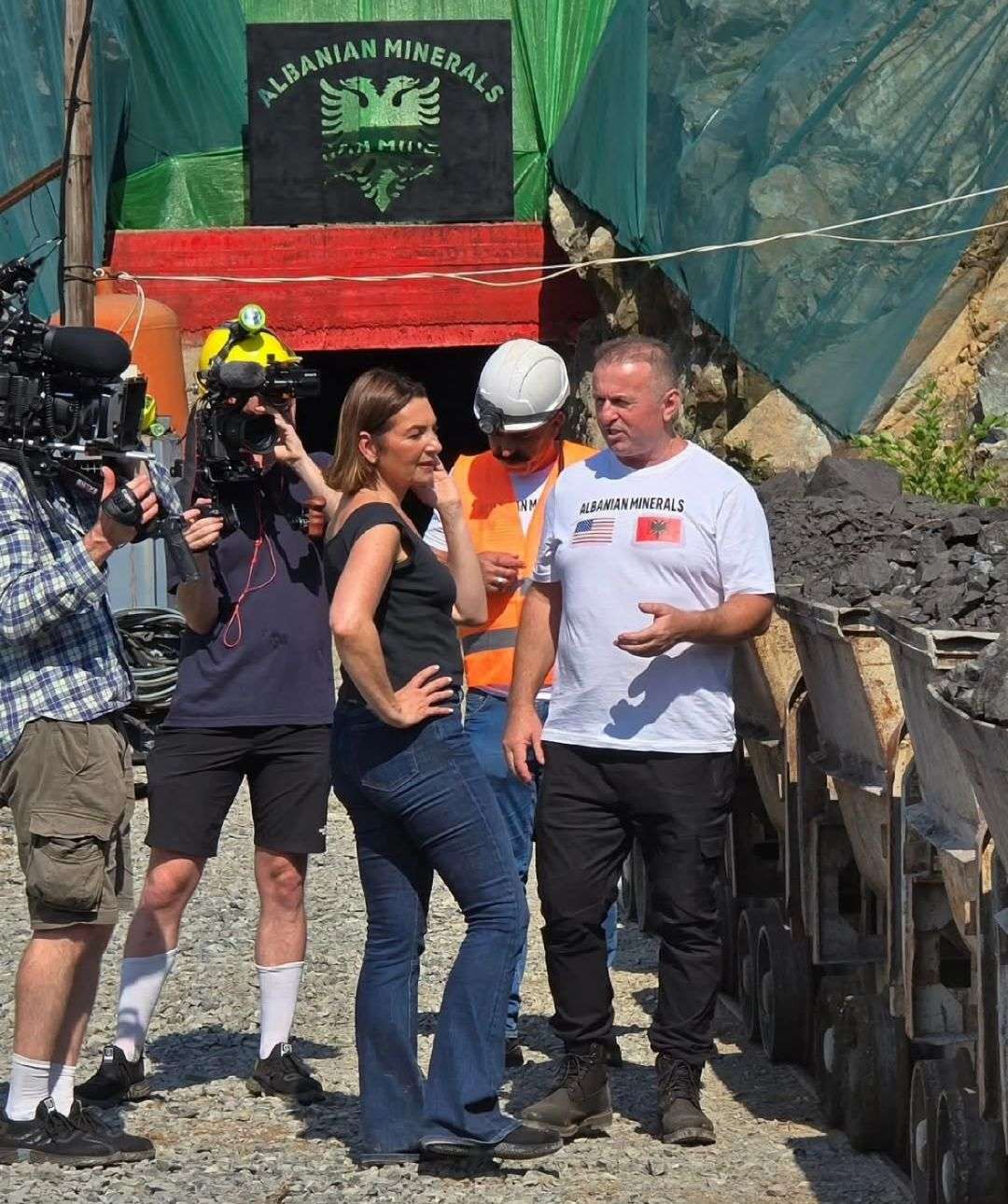
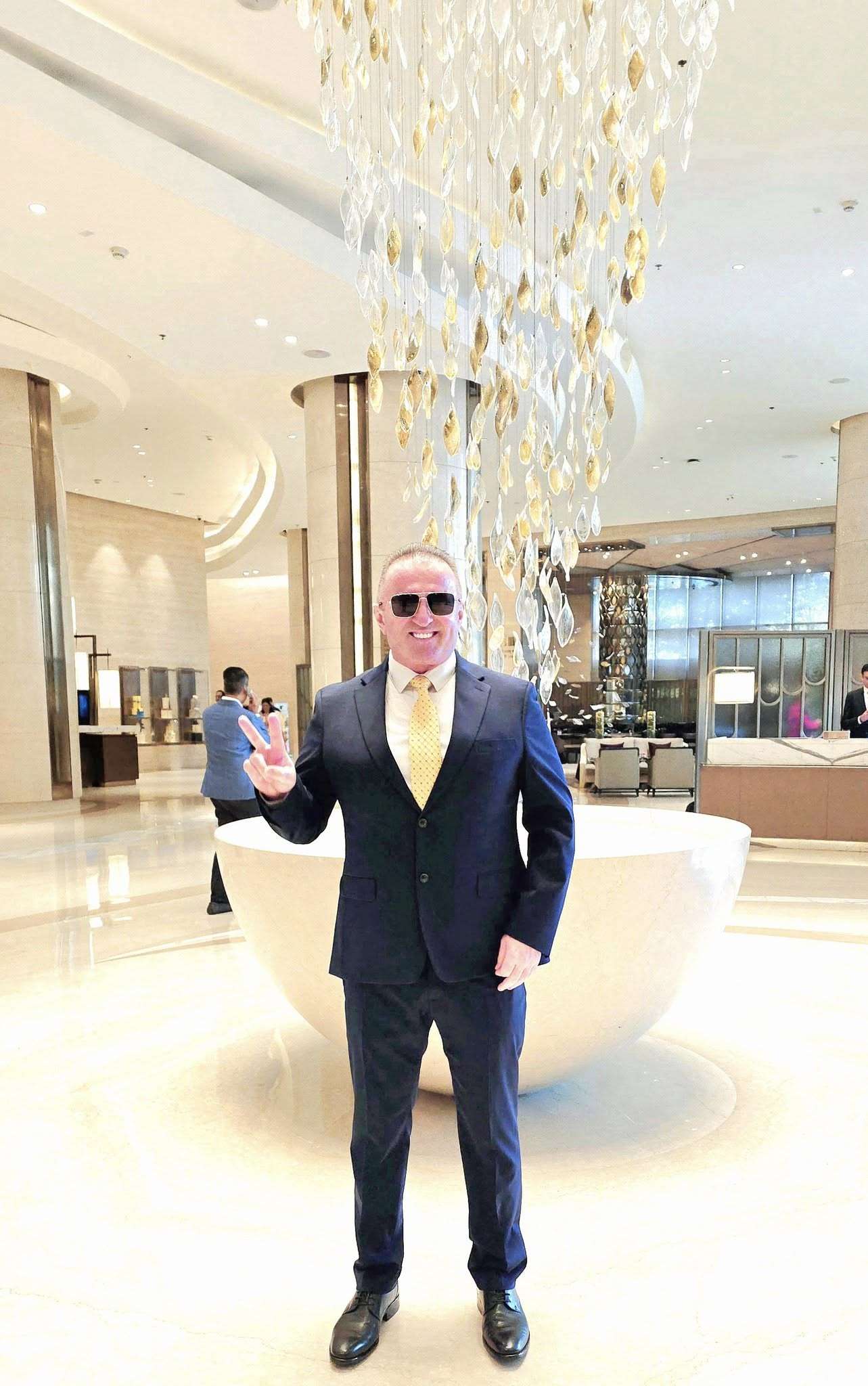
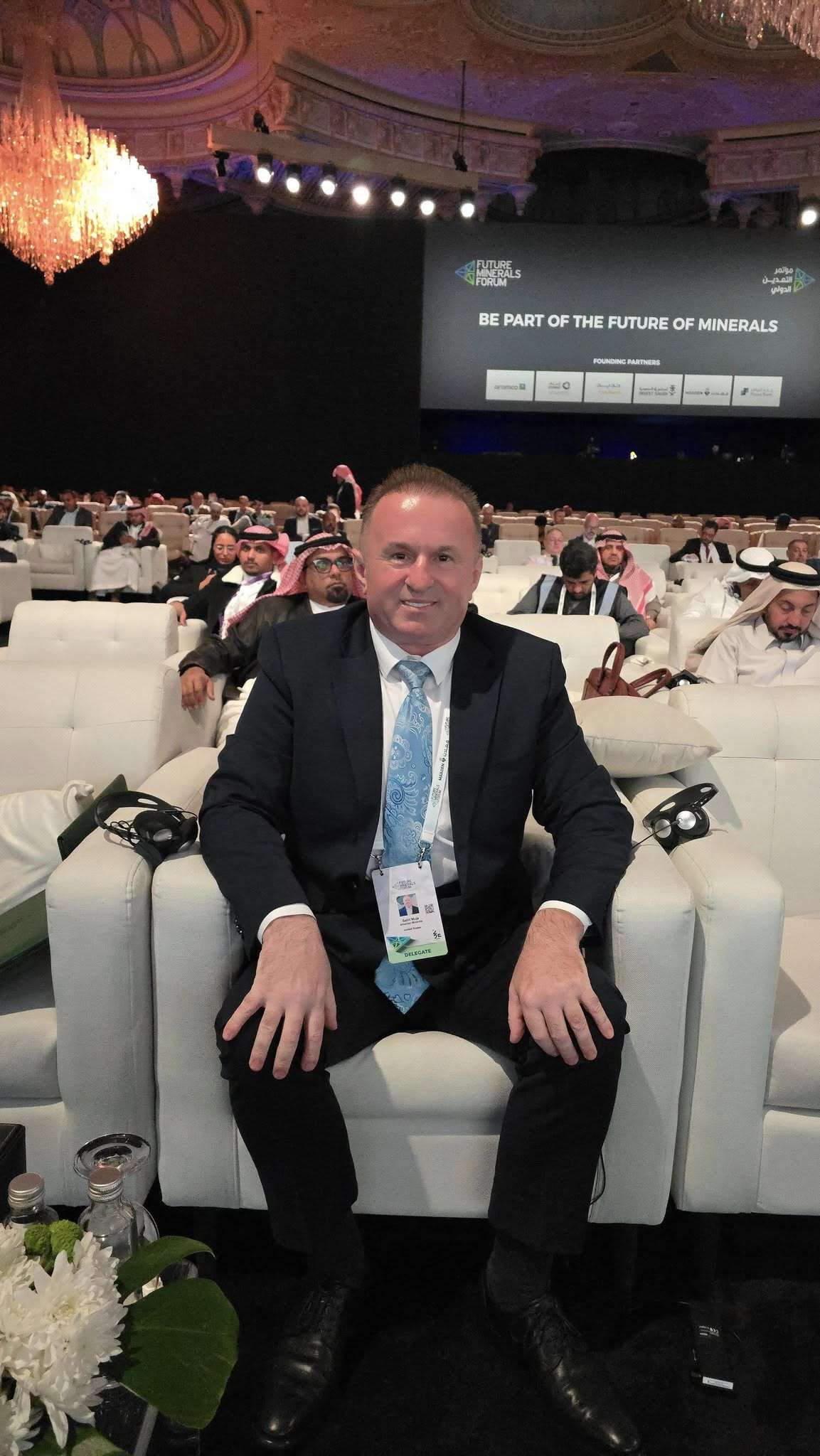
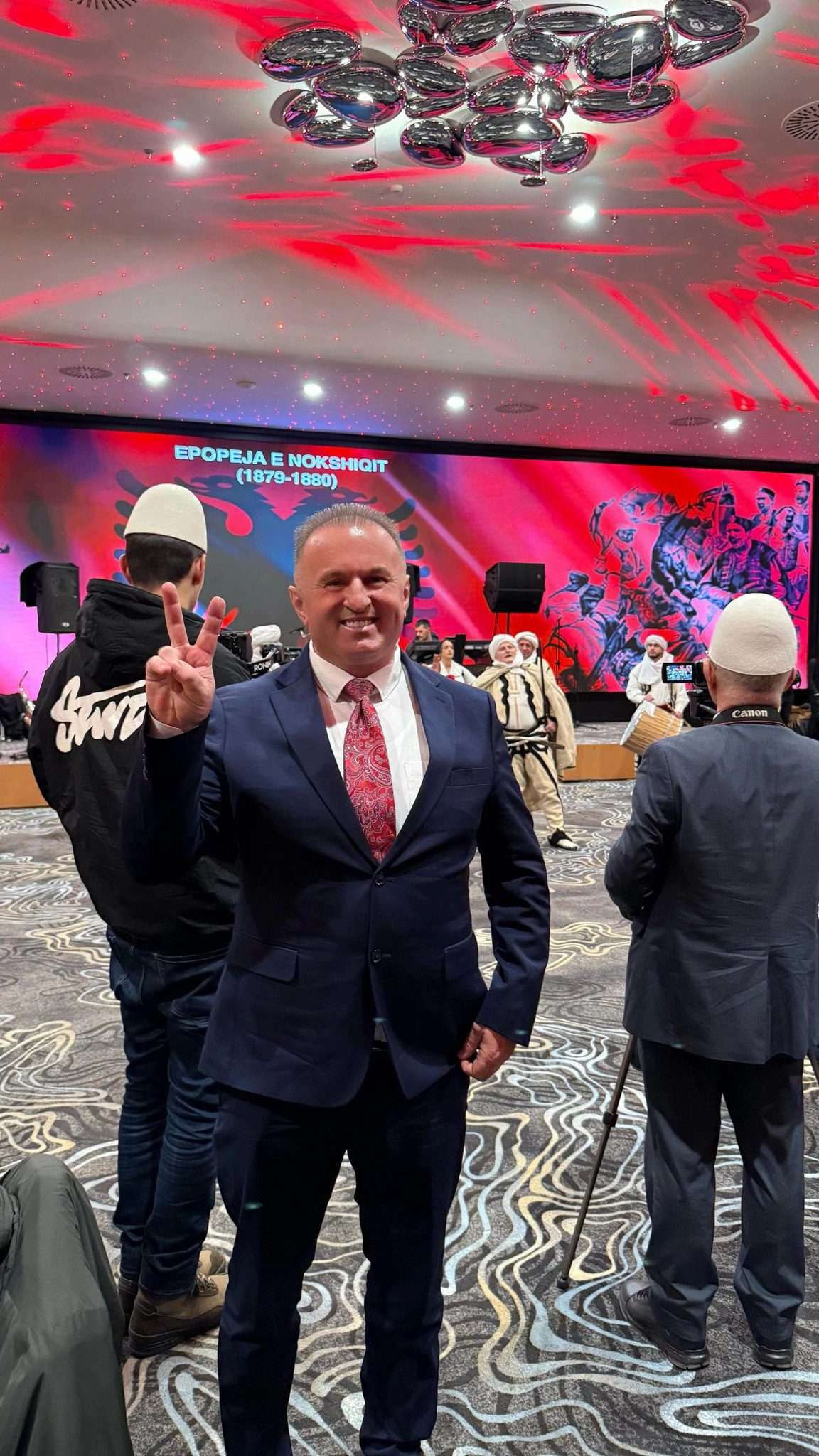
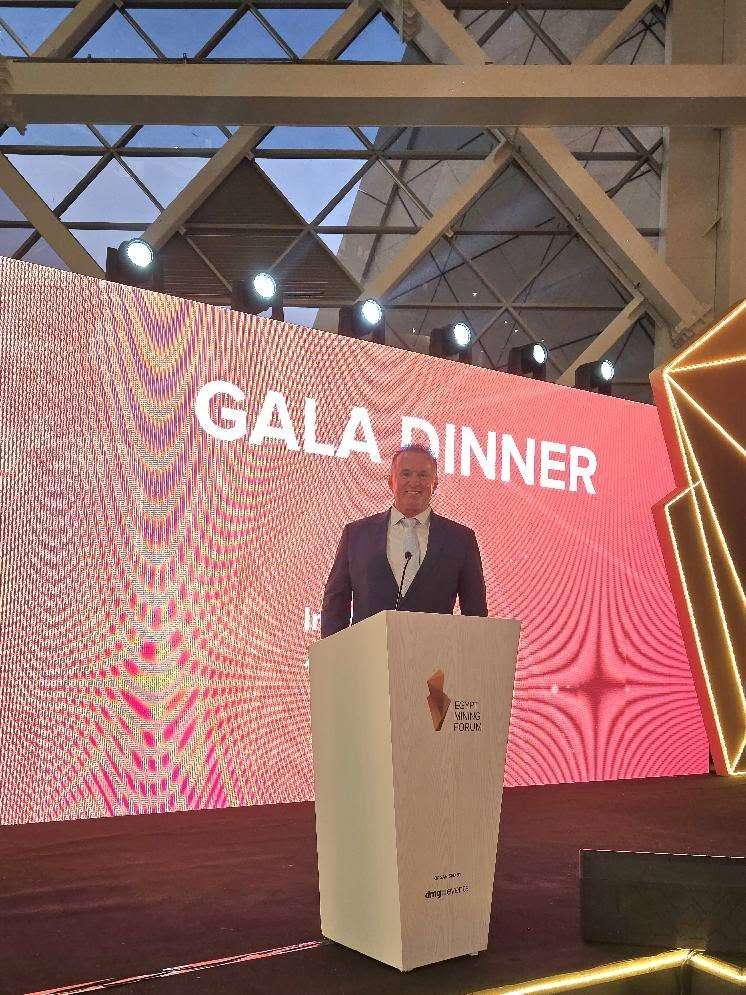
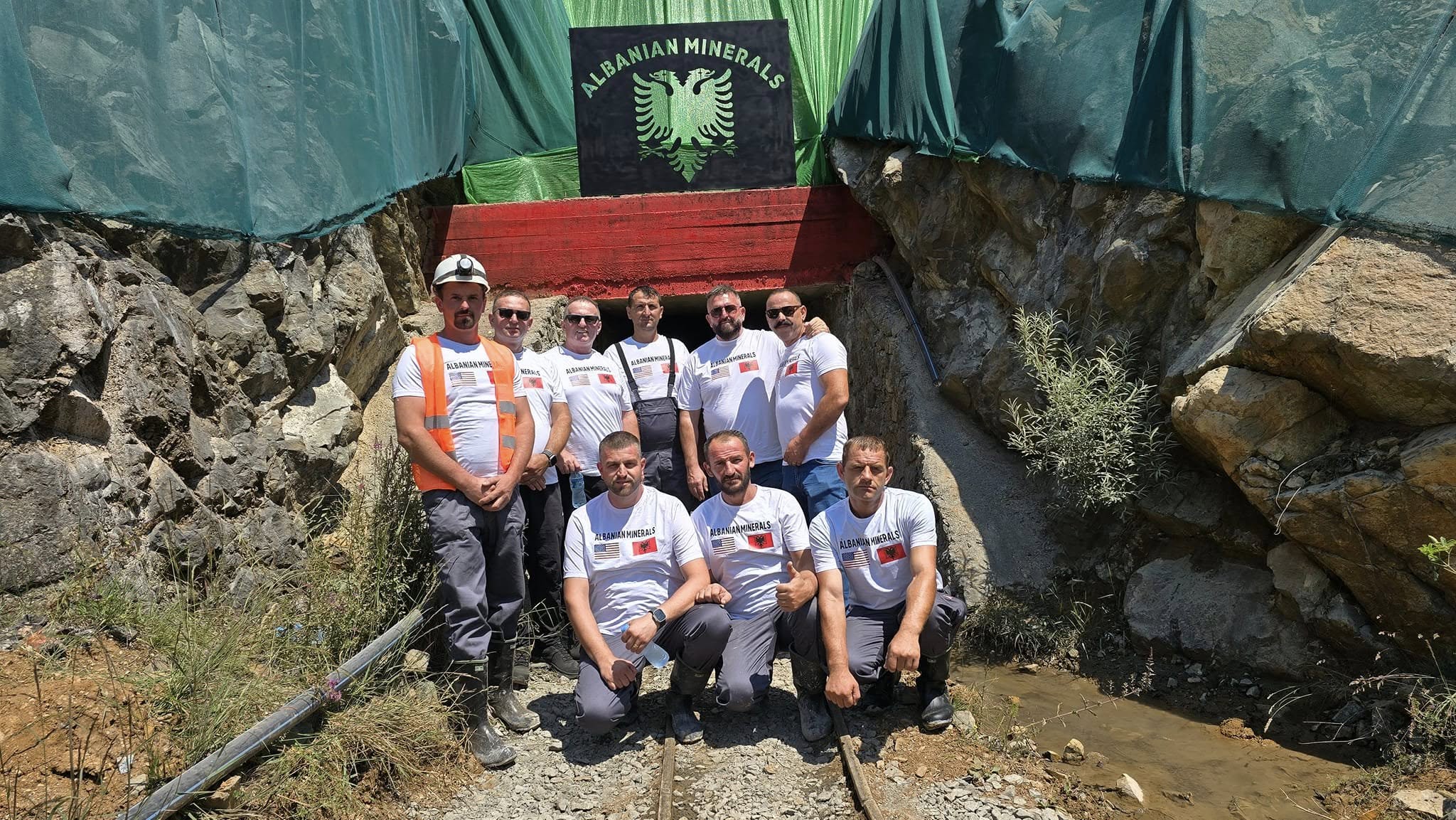
Among them stands Sahit Muja, Founder and CEO of Albanian Minerals, a mining entrepreneur, investor, and green technology advocate whose work has attracted growing international attention for its ambitious vision of transforming natural mineral resources into solutions for some of the world’s greatest environmental and industrial challenges.
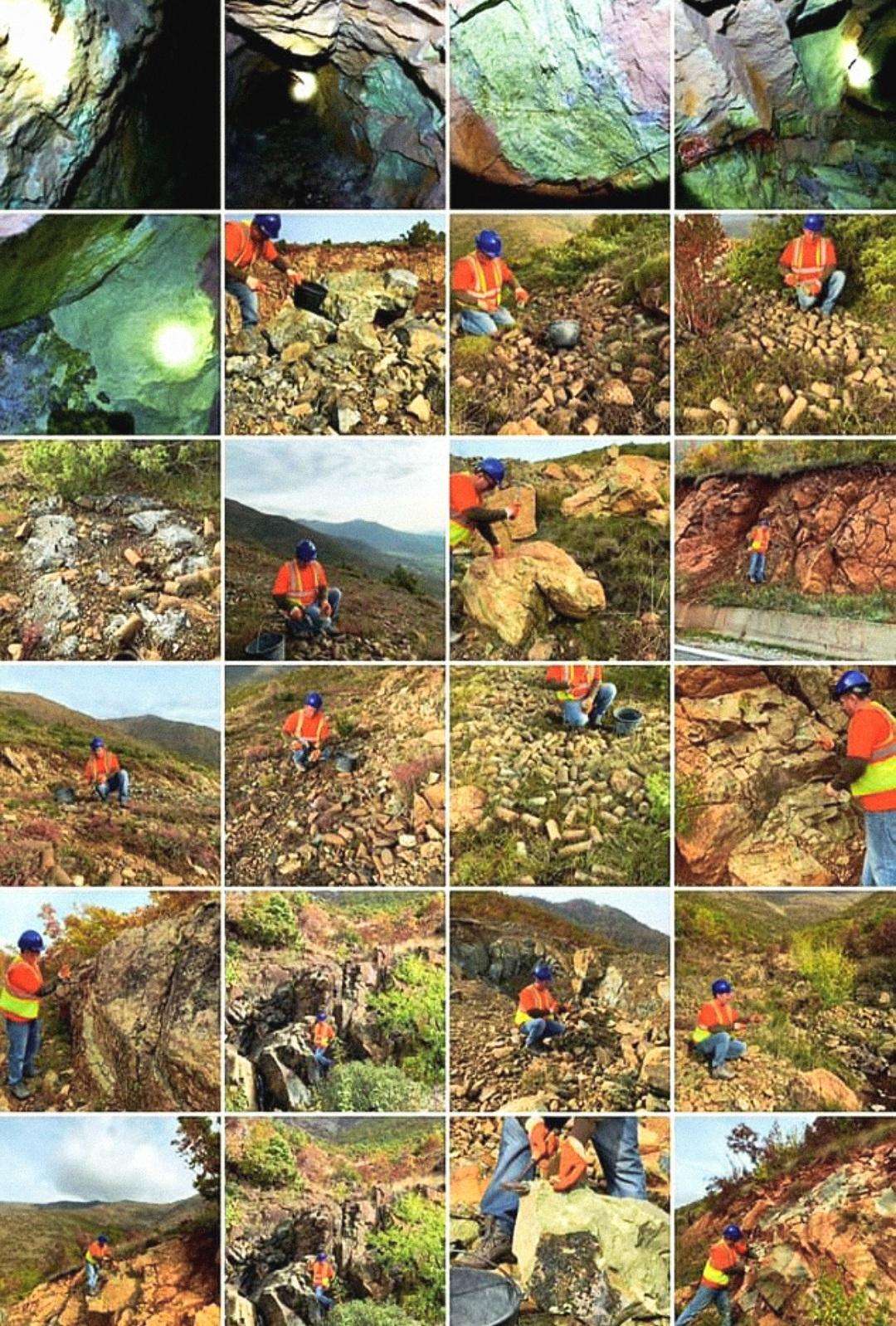
For more than three decades, Muja has dedicated his career to exploring, developing, and advancing strategic mineral resources. What began as a mining enterprise evolved into a broader mission: identifying minerals capable not only of supporting economic growth but also contributing to environmental restoration and sustainable development.
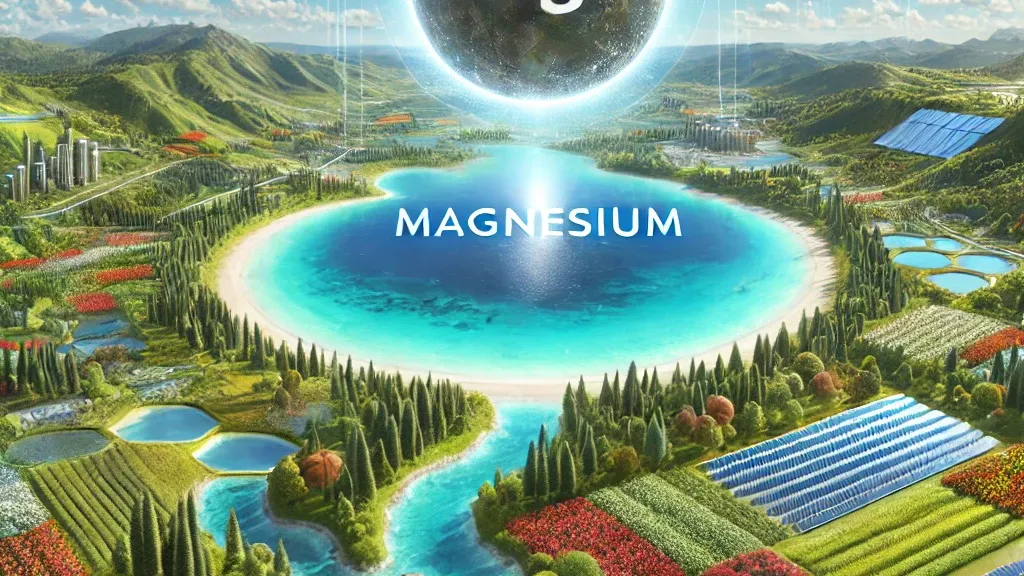
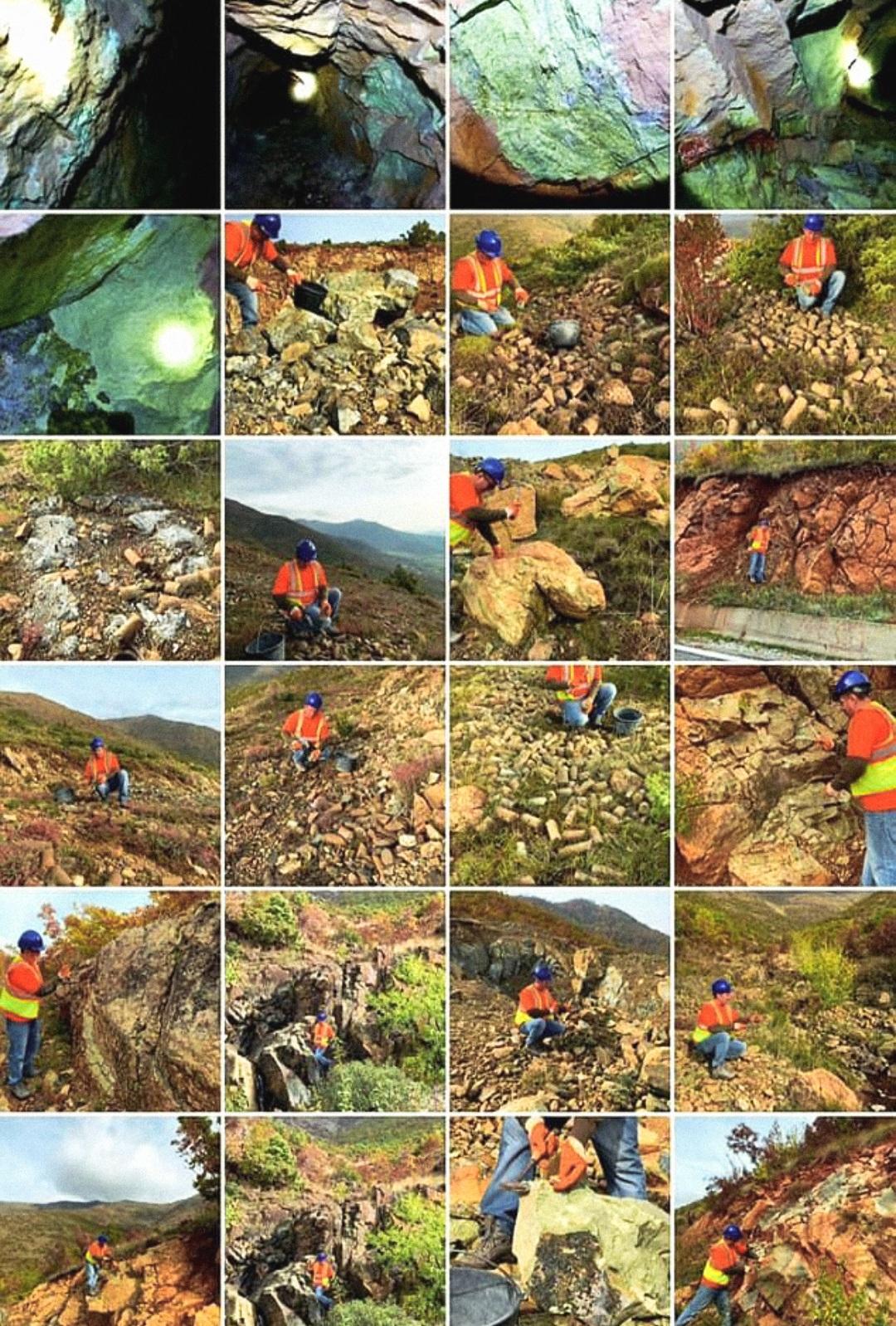
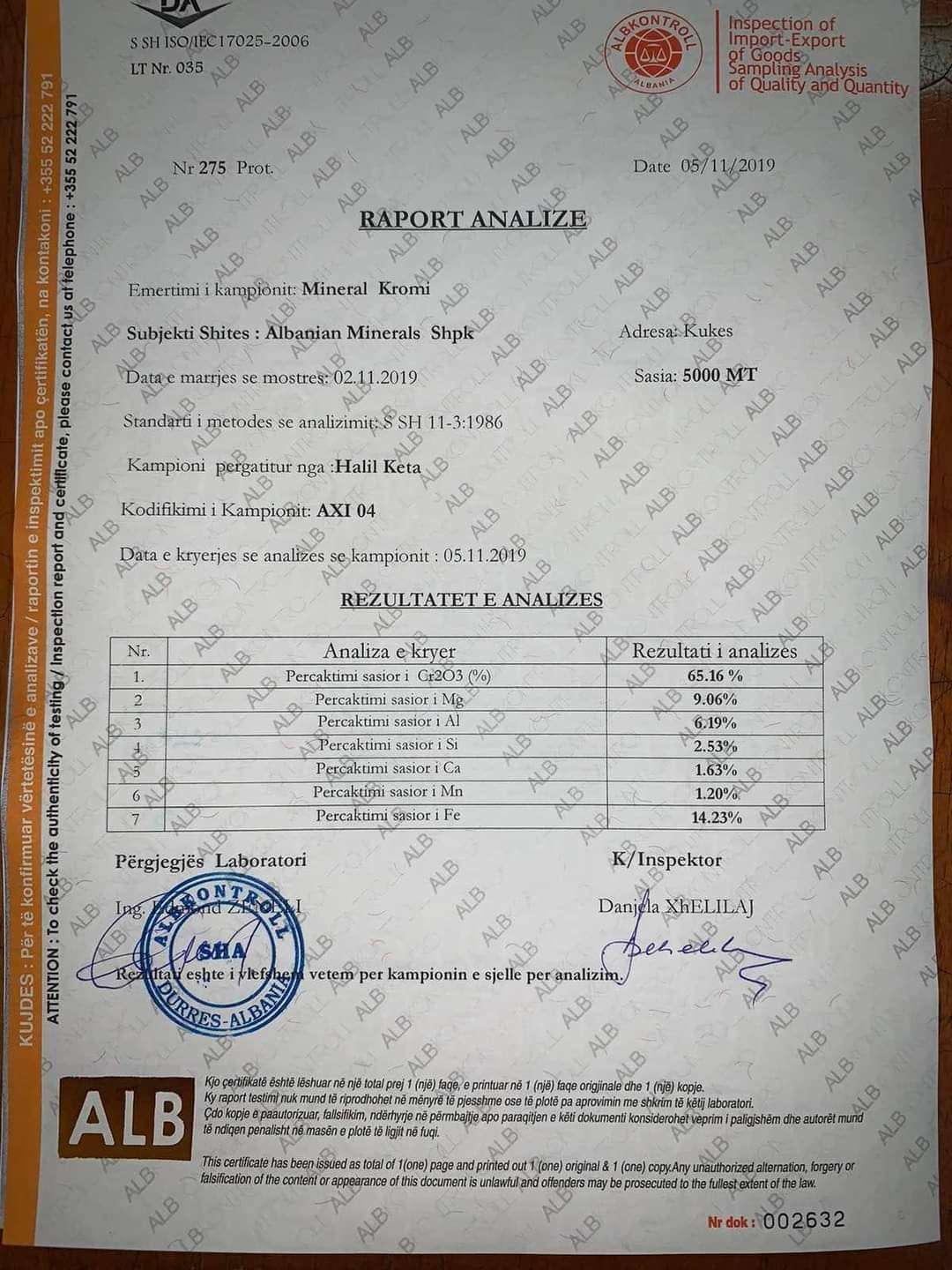
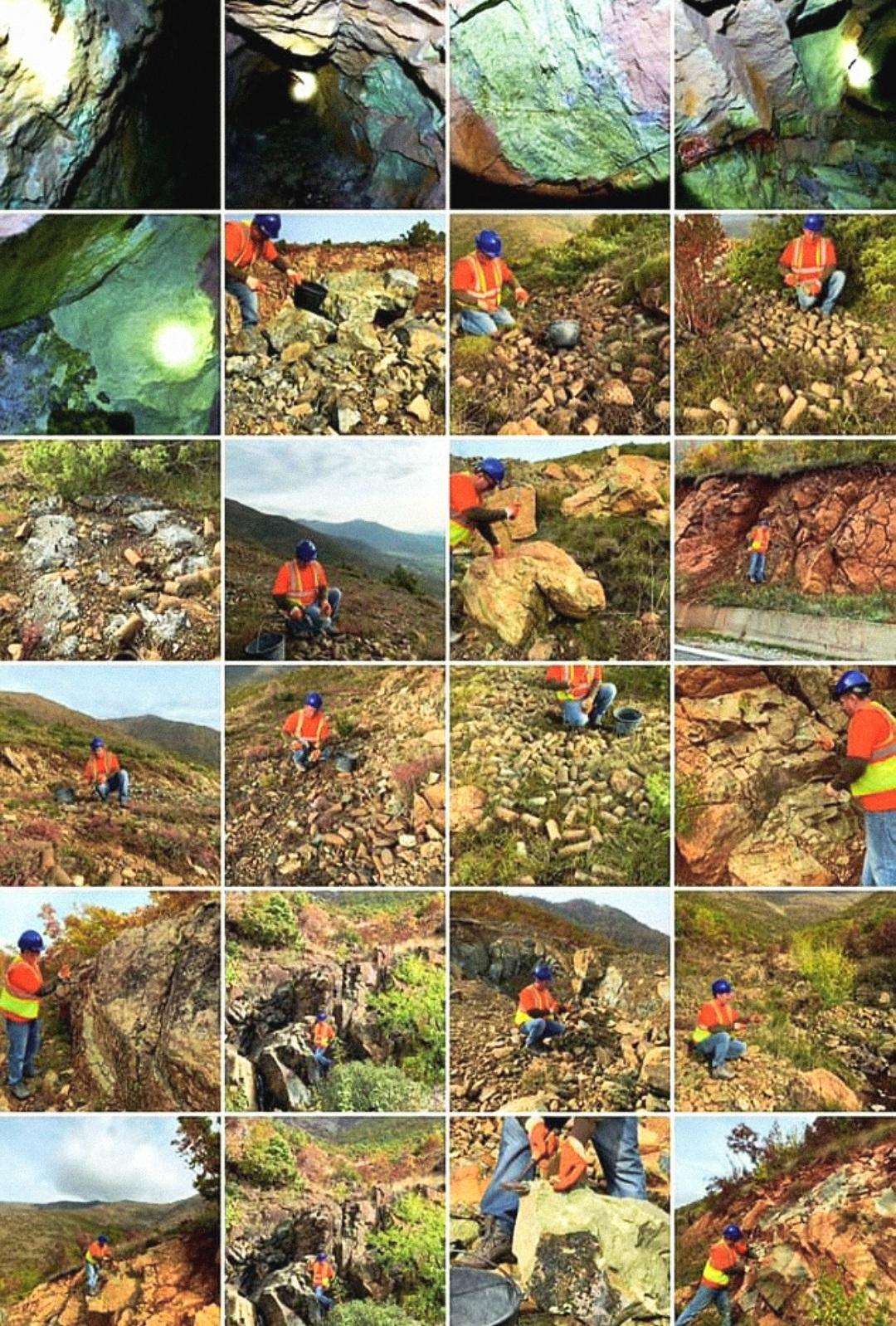
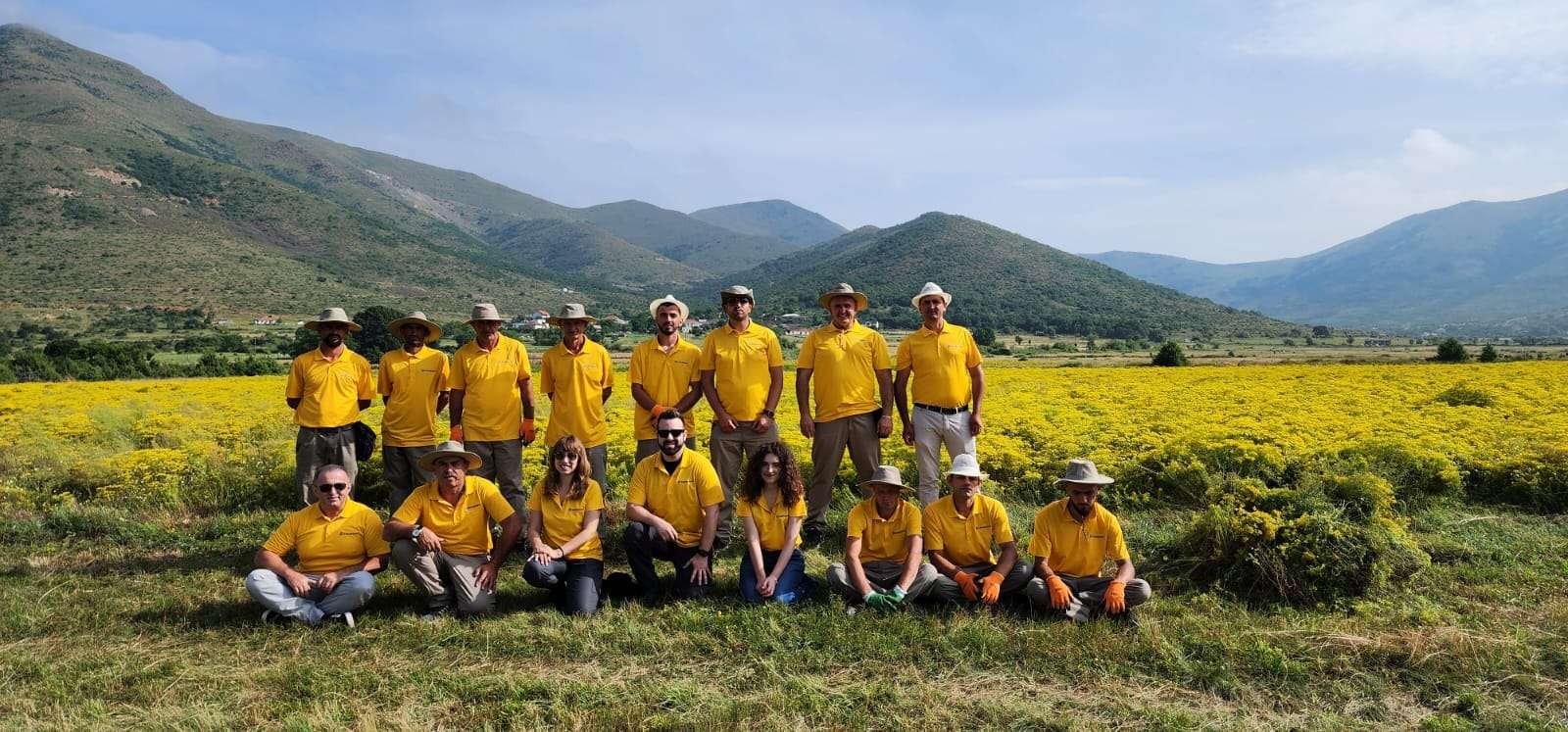
Today, Albanian Minerals controls one of the world’s most significant portfolios of high-grade green magnesium olivine resources, a mineral increasingly recognized by scientists, engineers, and climate researchers for its remarkable environmental potential.
What makes this story extraordinary is not simply the scale of the mineral holdings, but the vision behind them.
Muja believes the future of mining extends far beyond extraction.
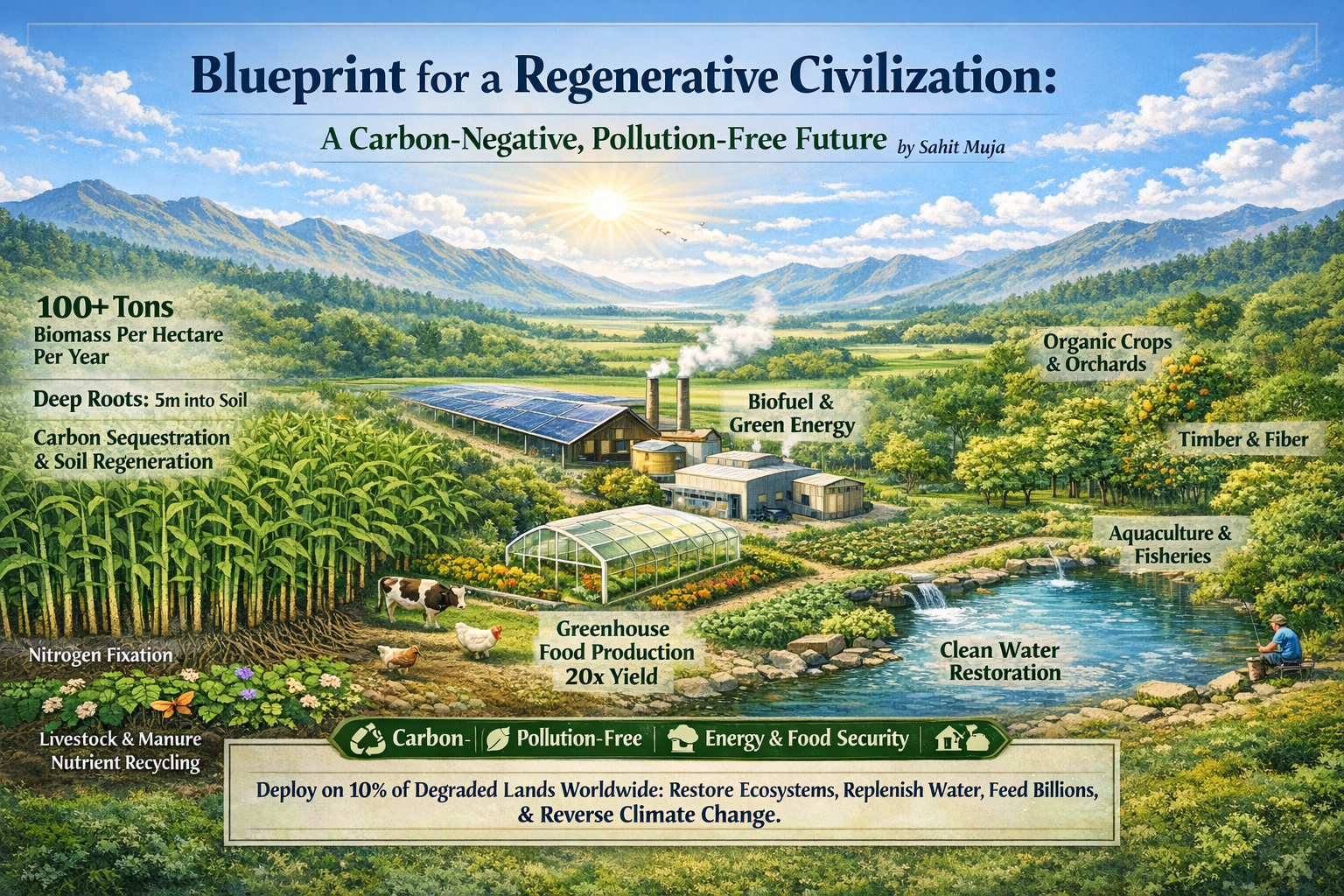
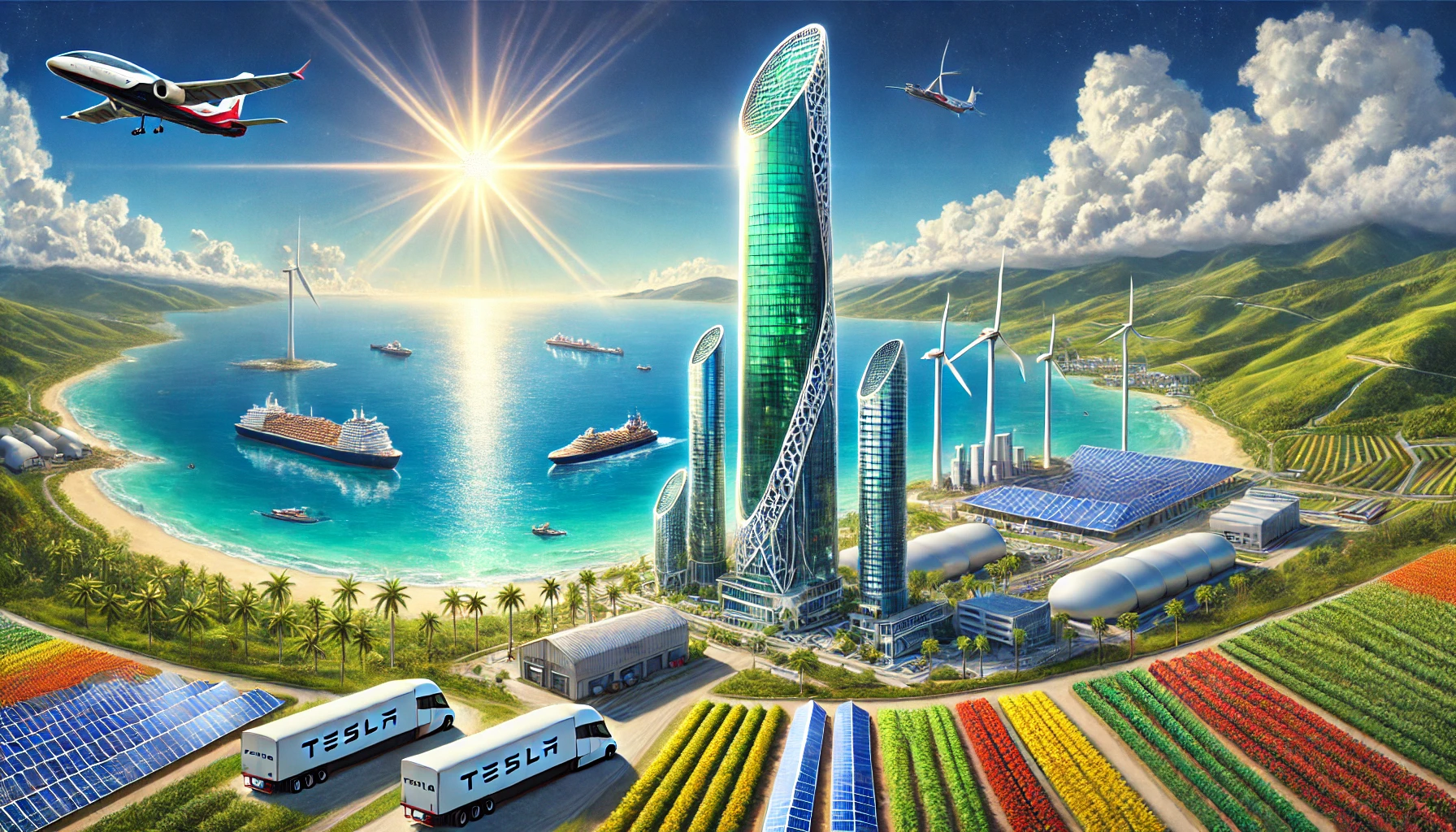
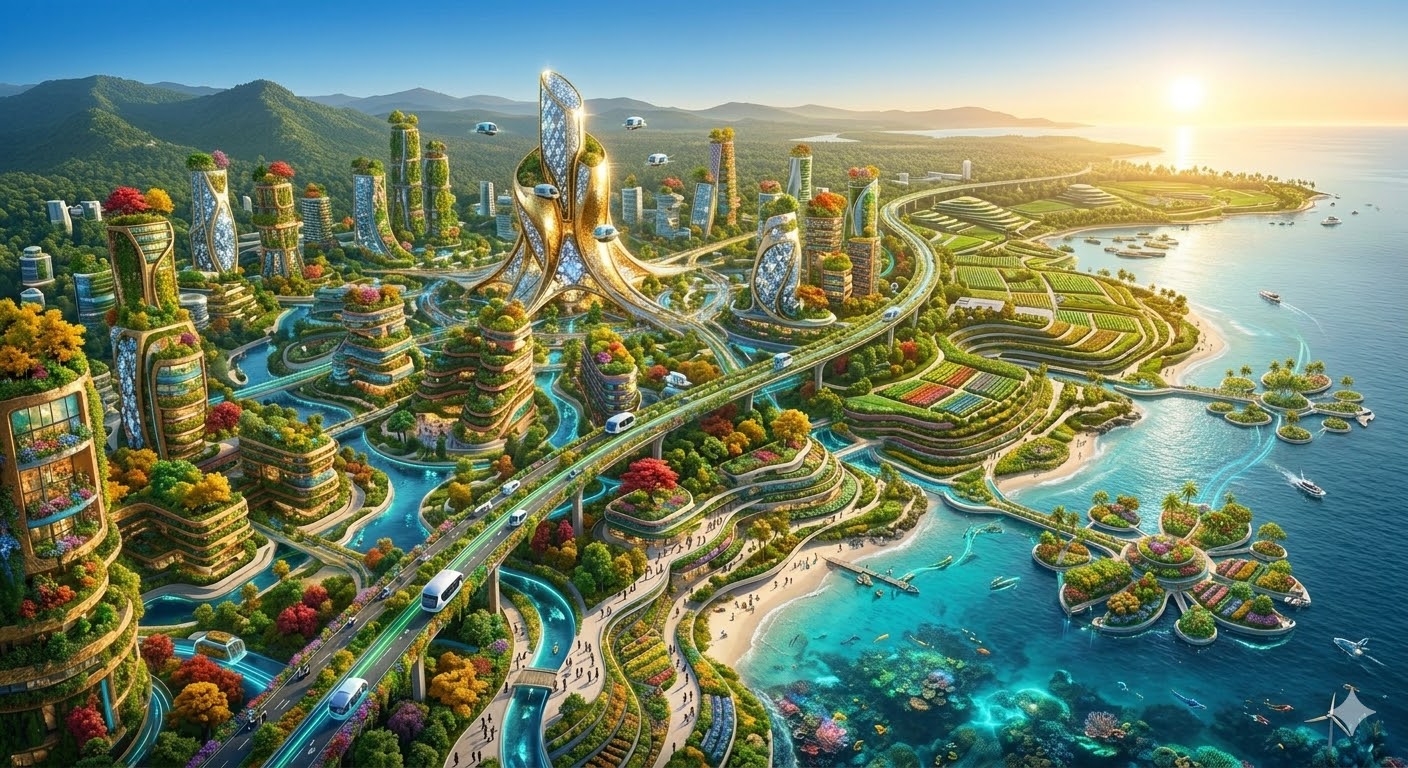
He envisions a world where minerals become platforms for climate solutions, sustainable construction, regenerative agriculture, carbon removal technologies, ecosystem restoration, and next-generation green industries.
It is a vision that seeks to redefine the relationship between industry and nature.
Discovering the Strategic Mineral of the Future
For decades, magnesium olivine remained largely unknown outside geological circles.
While other commodities dominated headlines, olivine quietly existed beneath mountains and landscapes, largely overlooked by global markets.
That perception is changing rapidly.
Researchers have increasingly identified magnesium-rich silicate minerals as potential tools for carbon mineralization, one of the most promising pathways for permanent carbon dioxide removal.
Unlike many industrial materials, magnesium olivine naturally reacts with atmospheric CO₂, transforming greenhouse gases into stable mineral forms that can remain locked away for geological timescales.
This unique capability has attracted attention from climate scientists seeking scalable solutions to rising global emissions.
Long before green minerals became a global trend, Sahit Muja recognized the strategic significance of these resources.
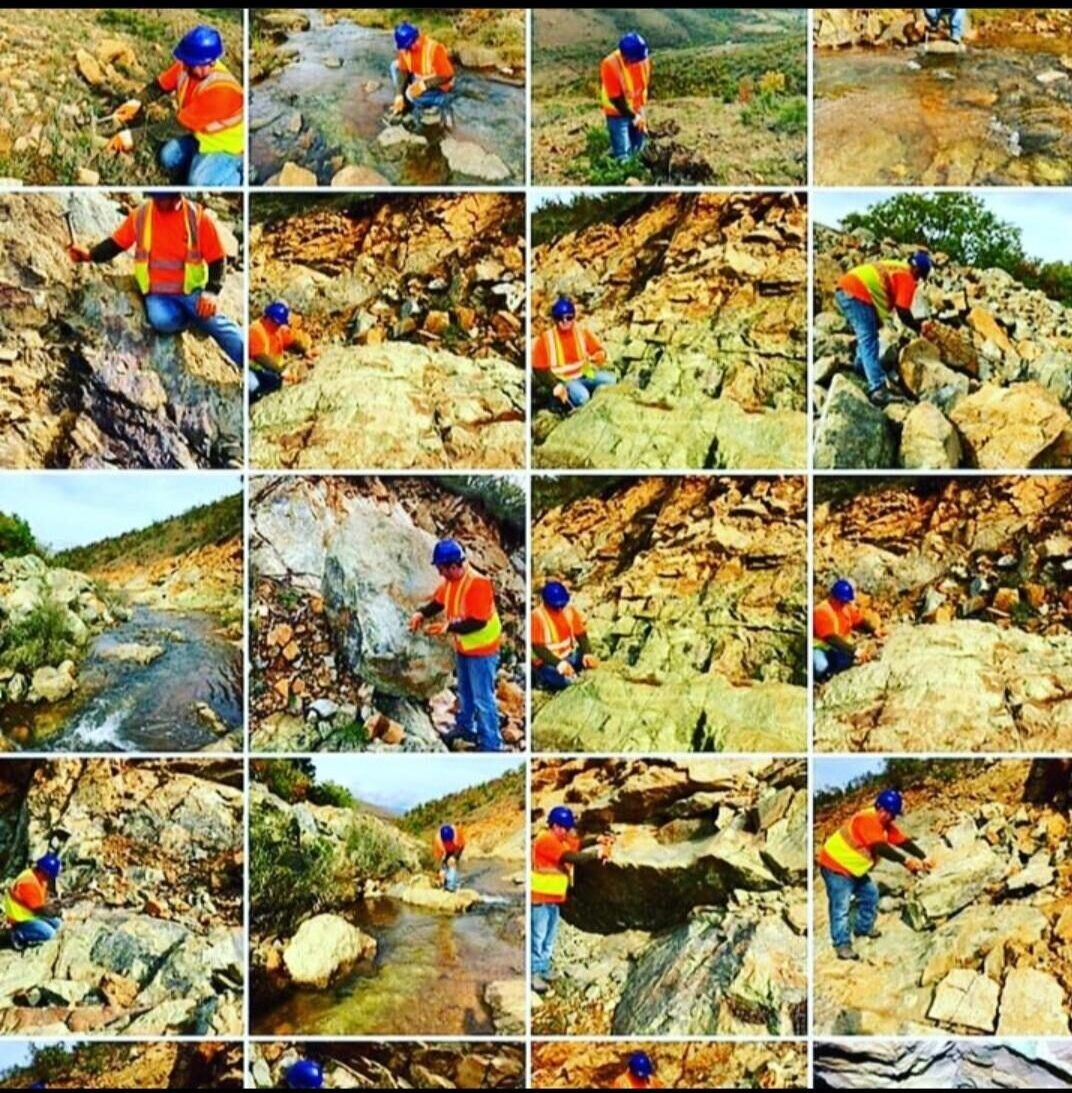
Through decades of exploration, acquisitions, geological studies, and resource development, Albanian Minerals assembled what the company describes as approximately 90 percent of the world’s highest-grade green magnesium olivine reserves.
The significance of this achievement extends beyond geology.
As nations compete to secure critical minerals necessary for the green economy, access to high-quality deposits may become increasingly important for future industrial competitiveness.
Many analysts compare today’s race for strategic green minerals to the global competition for oil fields during the twentieth century.
The difference is that these resources may help solve environmental challenges rather than contribute to them.
Building More Than a Mining Company
Perhaps the most remarkable aspect of Muja’s approach is his determination to move beyond traditional mining.
Historically, resource companies focused on extracting and exporting raw materials.
Muja advocates a different model.
His vision involves creating an integrated ecosystem that combines mineral resources, advanced manufacturing, intellectual property, environmental technologies, scientific innovation, and sustainable industrial development.
Under this framework, minerals become the starting point rather than the final product.
This philosophy has led to investments in green technology initiatives, climate-focused research, sustainable construction materials, and environmental restoration projects.
The objective is not merely to sell minerals but to create entirely new industries capable of generating long-term economic and environmental value.
It represents a shift from resource extraction toward resource innovation.
The Olix Breakthrough
Among the most ambitious projects associated with Albanian Minerals is OLIX, a revolutionary green cement technology developed around magnesium olivine.
The importance of this initiative becomes clear when examining the scale of the global construction industry.
Construction represents one of the largest economic sectors on Earth, valued at approximately $15 trillion annually.
At the same time, traditional cement production generates roughly four billion tons of carbon dioxide emissions each year, making it one of the largest industrial contributors to climate change.
The challenge facing humanity is immense.
Global population growth and rapid urbanization are creating demand for housing, infrastructure, transportation systems, hospitals, schools, and renewable energy facilities on an unprecedented scale.
Experts estimate that billions of people will require new housing and urban infrastructure over the coming decades.
Meeting this demand using conventional materials could significantly increase global emissions.
OLIX seeks to offer a fundamentally different approach.
Instead of releasing carbon dioxide during production, the technology aims to utilize magnesium-rich minerals that can absorb and permanently store CO₂ while creating durable construction materials.
The concept transforms concrete from a major source of emissions into a potential climate solution.
If successfully deployed at scale, such technologies could dramatically reduce the environmental footprint of future construction.
For Muja, OLIX represents more than a commercial opportunity.
It embodies a broader vision in which cities, roads, bridges, and buildings become active participants in environmental restoration.
A Blueprint for Climate Restoration
Climate change is often framed as an overwhelming challenge.
Rising temperatures, extreme weather events, biodiversity loss, ocean acidification, and air pollution create a complex set of interconnected problems.
Many solutions focus on reducing future emissions.
Muja’s vision extends further.
He advocates using natural mineral systems to actively remove carbon dioxide already present in the atmosphere.
Magnesium olivine’s ability to participate in carbon mineralization makes it particularly attractive in this regard.
By accelerating natural geological processes that have regulated Earth’s climate for millions of years, green mineral technologies could potentially help restore environmental balance while supporting industrial growth.
This approach aligns economic development with ecological restoration.
Rather than viewing industry and sustainability as opposing forces, it seeks to unite them.
The result is a framework where mining, manufacturing, construction, agriculture, and environmental stewardship reinforce one another.
Creating a Green Industrial Renaissance
Sahit Muja frequently speaks about what he describes as a new green industrial renaissance.
The concept encompasses far more than a single mineral or technology.
It envisions a future economy built around sustainable materials, circular manufacturing systems, carbon-negative products, renewable energy integration, and environmental regeneration.
Within this framework, green magnesium olivine serves as a foundational resource capable of supporting numerous sectors, including:
• Green cement and sustainable construction
• Carbon capture and mineralization
• Climate restoration technologies
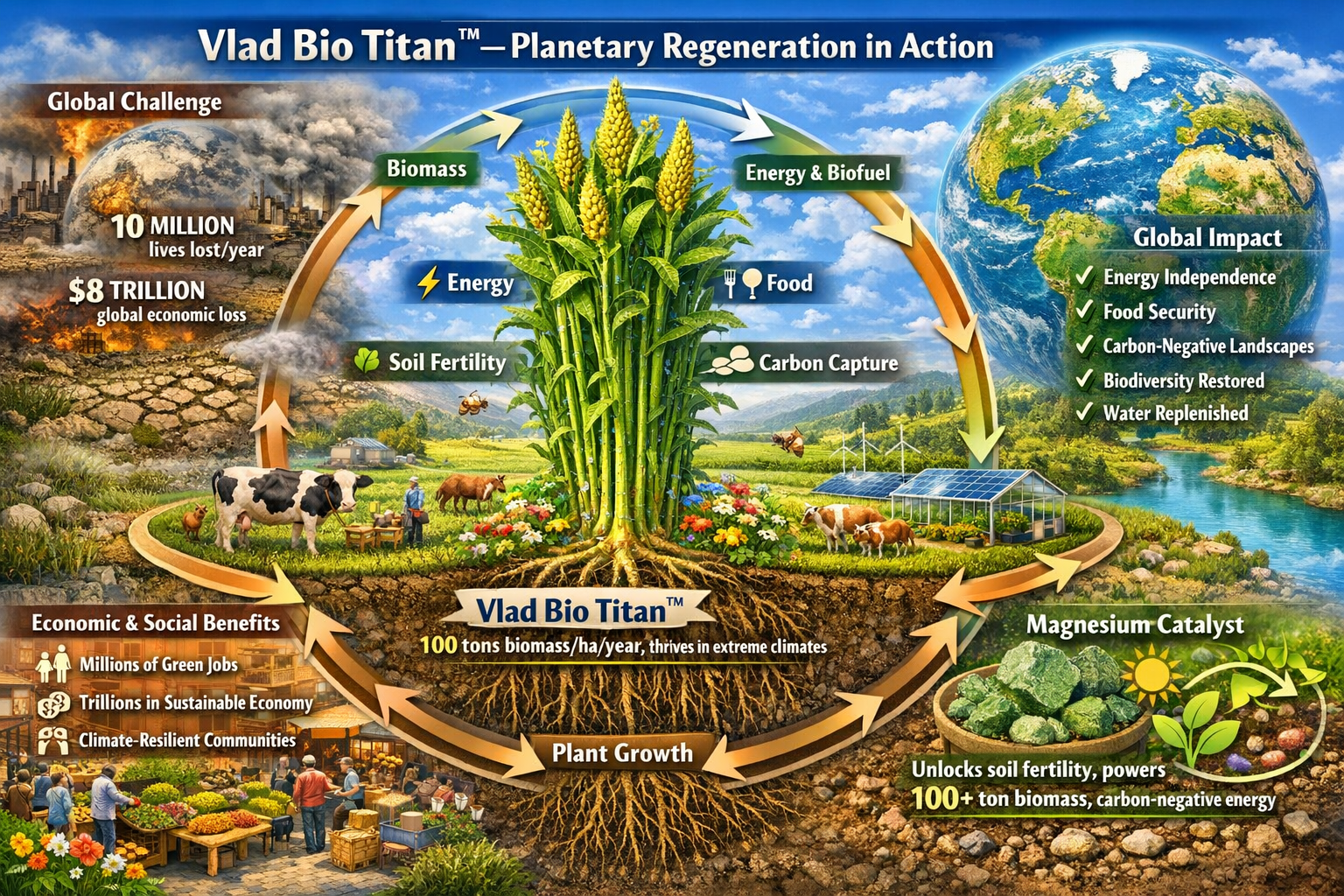
• Regenerative agriculture
• Environmental remediation
• Circular economy manufacturing
• Green infrastructure development
• Industrial decarbonization
Collectively, these industries represent trillions of dollars in future economic activity.
The transition toward sustainability is increasingly viewed not only as an environmental necessity but also as one of the largest economic opportunities in modern history.
Elevating Albania on the Global Stage
Beyond the environmental implications, Muja’s work carries significance for Albania.
Historically, many resource-rich nations exported raw materials while capturing only a small portion of the value generated by downstream industries.
The development of advanced technologies based on strategic mineral resources offers an alternative pathway.
By combining geology, research, engineering, manufacturing, and innovation, countries can create higher-value industries that generate skilled employment, technological advancement, and economic diversification.
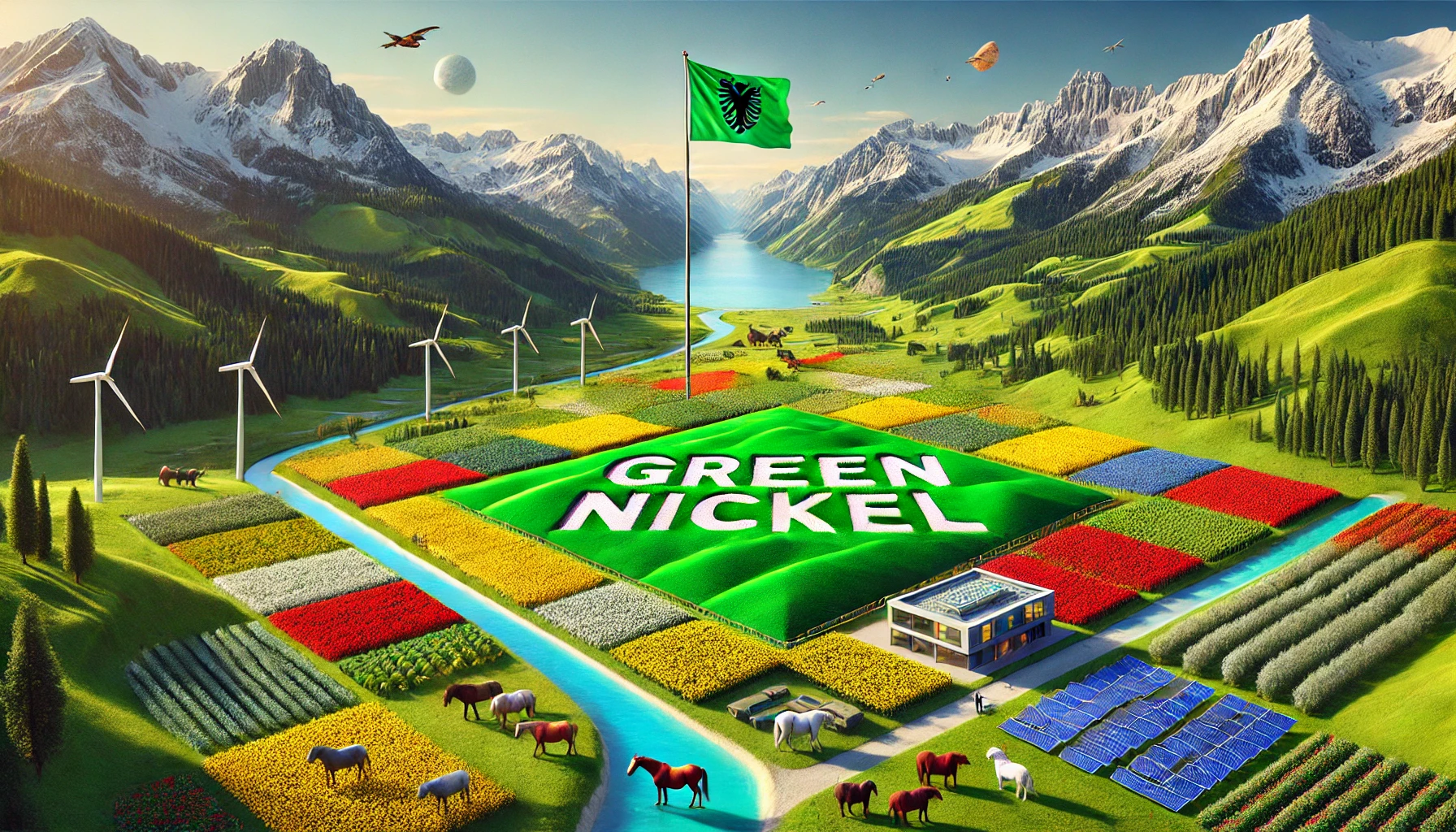
Muja envisions Albania becoming an international center for green minerals, sustainable technologies, and climate-focused innovation.
Such a transformation could position the country as an important participant in the emerging global green economy.
Looking Toward the Future
History often remembers the individuals who recognize major shifts before the rest of the world.
The industrialists of the nineteenth century understood the power of steel.
The innovators of the twentieth century recognized the potential of oil, aviation, and electronics.
The technology entrepreneurs of the digital age saw opportunities in software and the internet.
Today, Sahit Muja is placing a bold bet on green minerals.
His vision suggests that some of the most important resources of the twenty-first century may not be those that merely power industry, but those that enable industry to coexist with nature.
Whether through carbon-negative cement, climate restoration technologies, sustainable manufacturing systems, or advanced green materials, the objective remains the same: creating an economic future that is both prosperous and environmentally responsible.
As the world searches for scalable solutions to climate change and sustainable development, the mountains of northern Albania may hold resources capable of contributing to one of the greatest industrial transformations in human history.
And at the center of that vision stands Sahit Muja—a mining entrepreneur, innovator, and advocate for a future in which green minerals become the foundation of a cleaner, stronger, and more sustainable world.