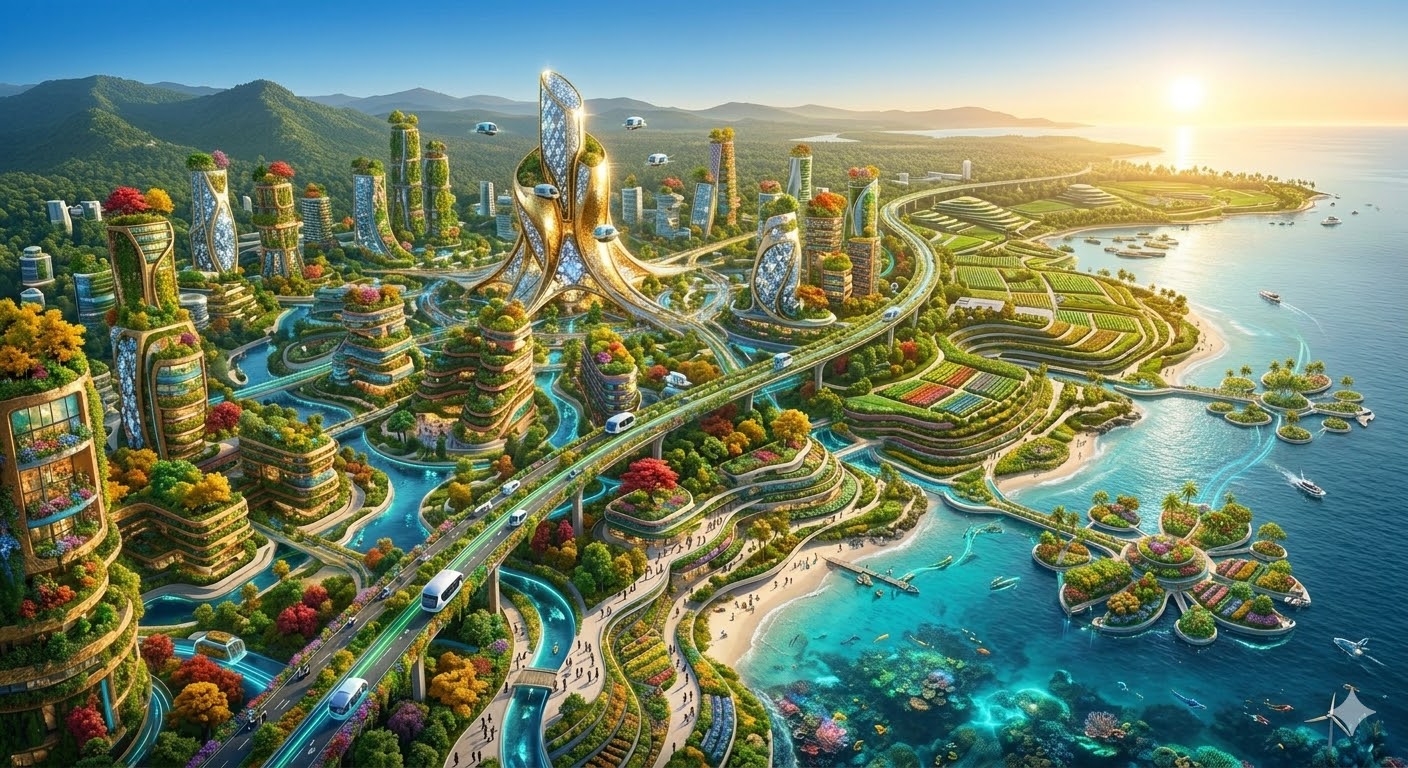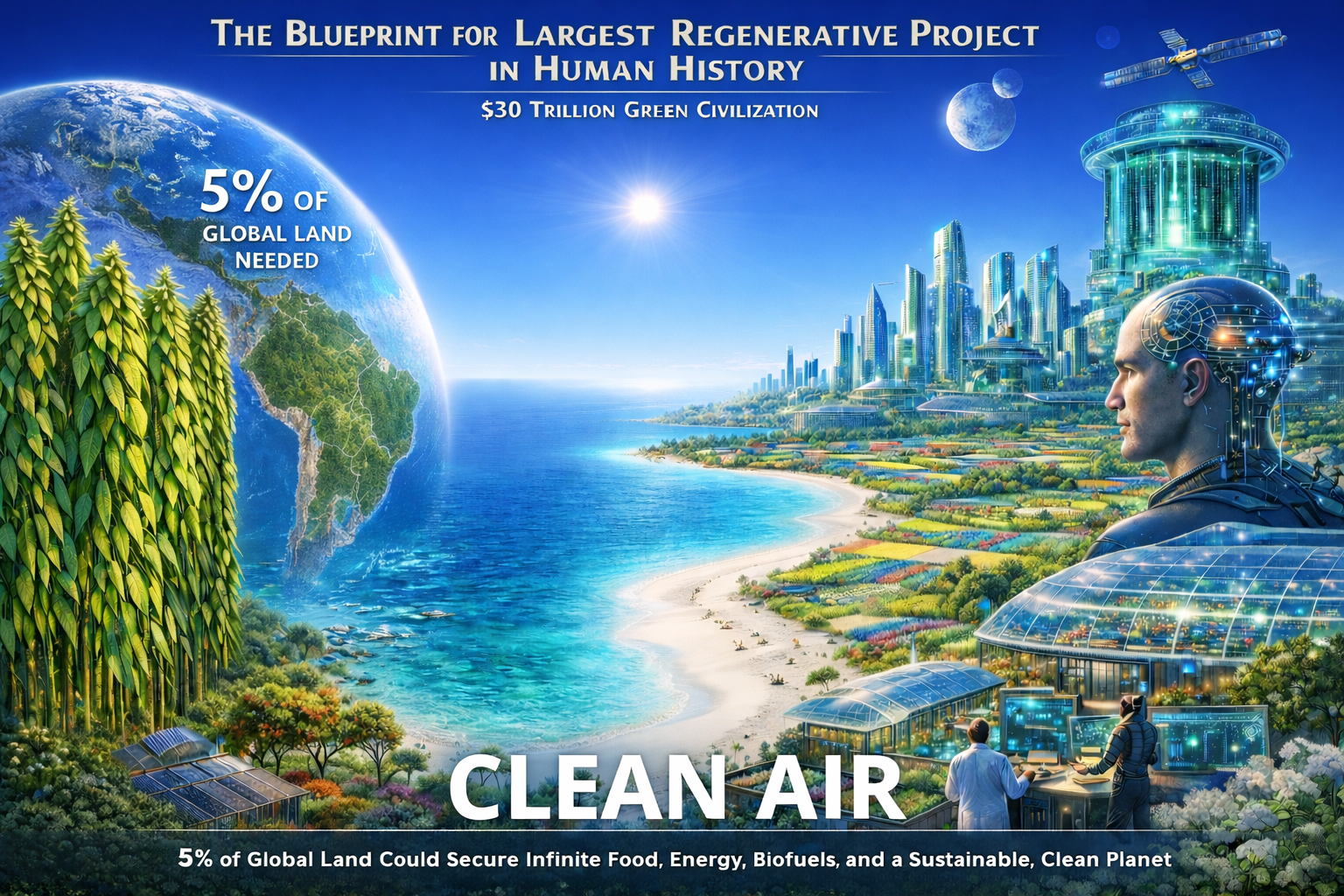
Humanity stands at a crossroads unlike any in history. Each year, ten million lives are lost to pollution, extreme climate events, contaminated water, and collapsing ecosystems, while the global economy bleeds eight trillion dollars in healthcare costs, disaster recovery, lost productivity, and resource depletion. These staggering figures are not abstract—they represent families, communities, and nations under threat, a persistent reminder that our civilization is operating on ecological overdraft. Yet within this crisis lies an extraordinary opportunity: to harness the regenerative power of nature itself to create a civilization that is self-sustaining, carbon-negative, and pollution-free at a planetary scale.
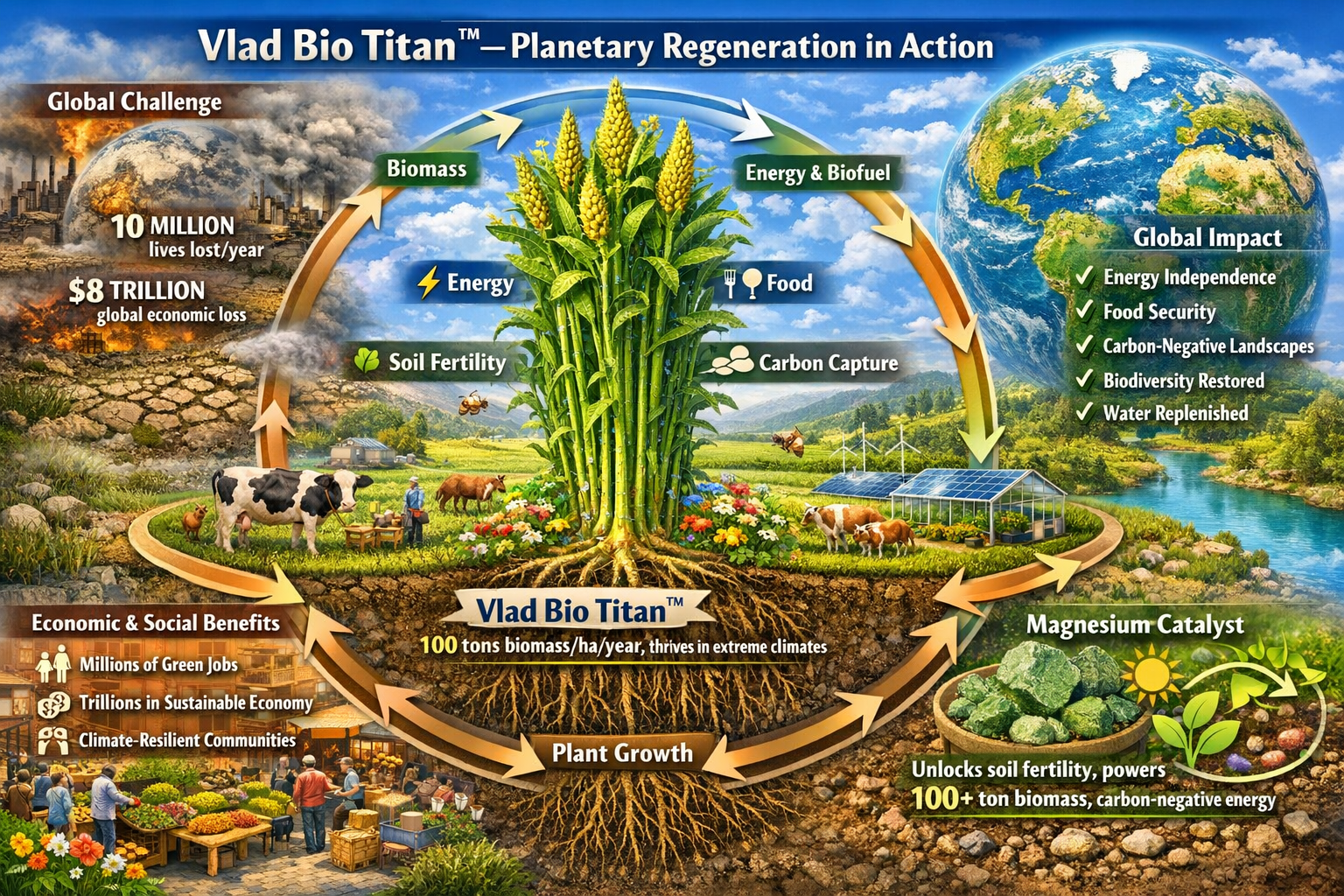
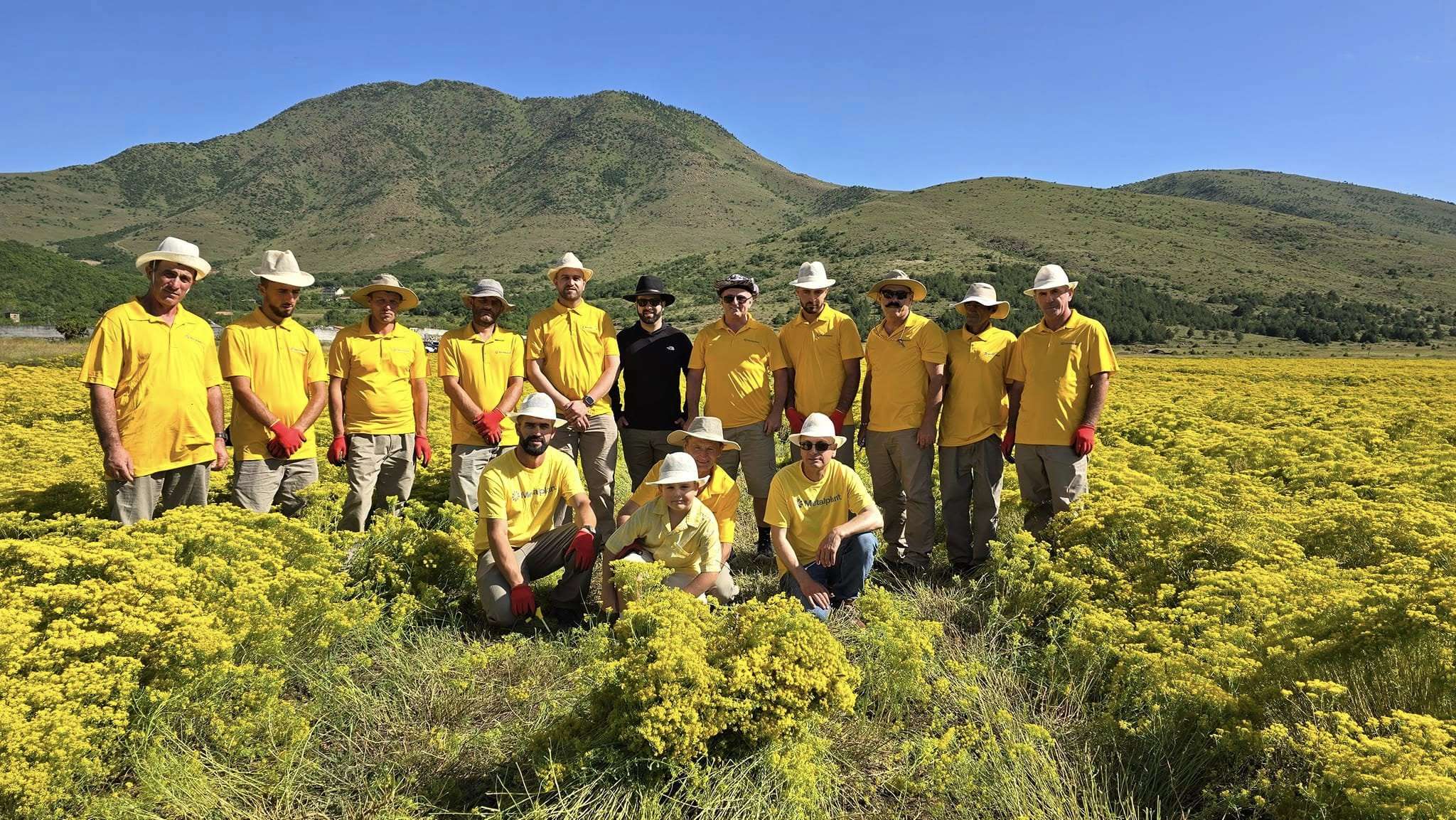
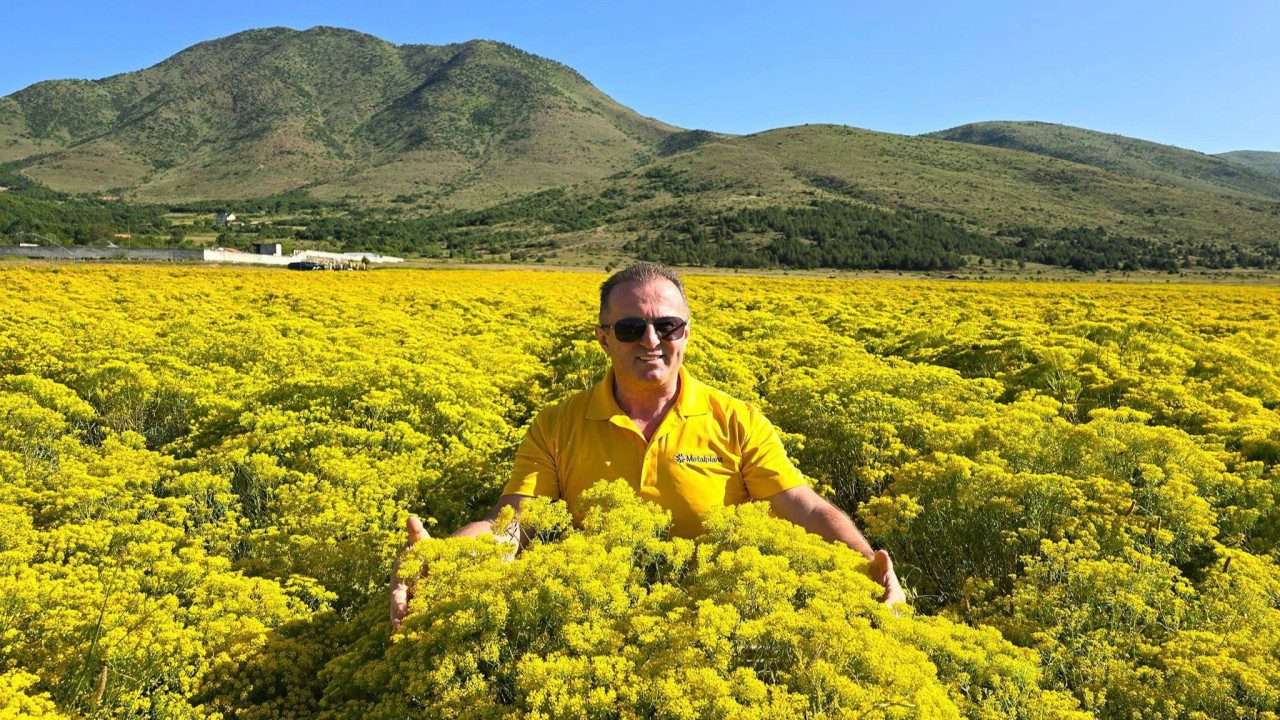
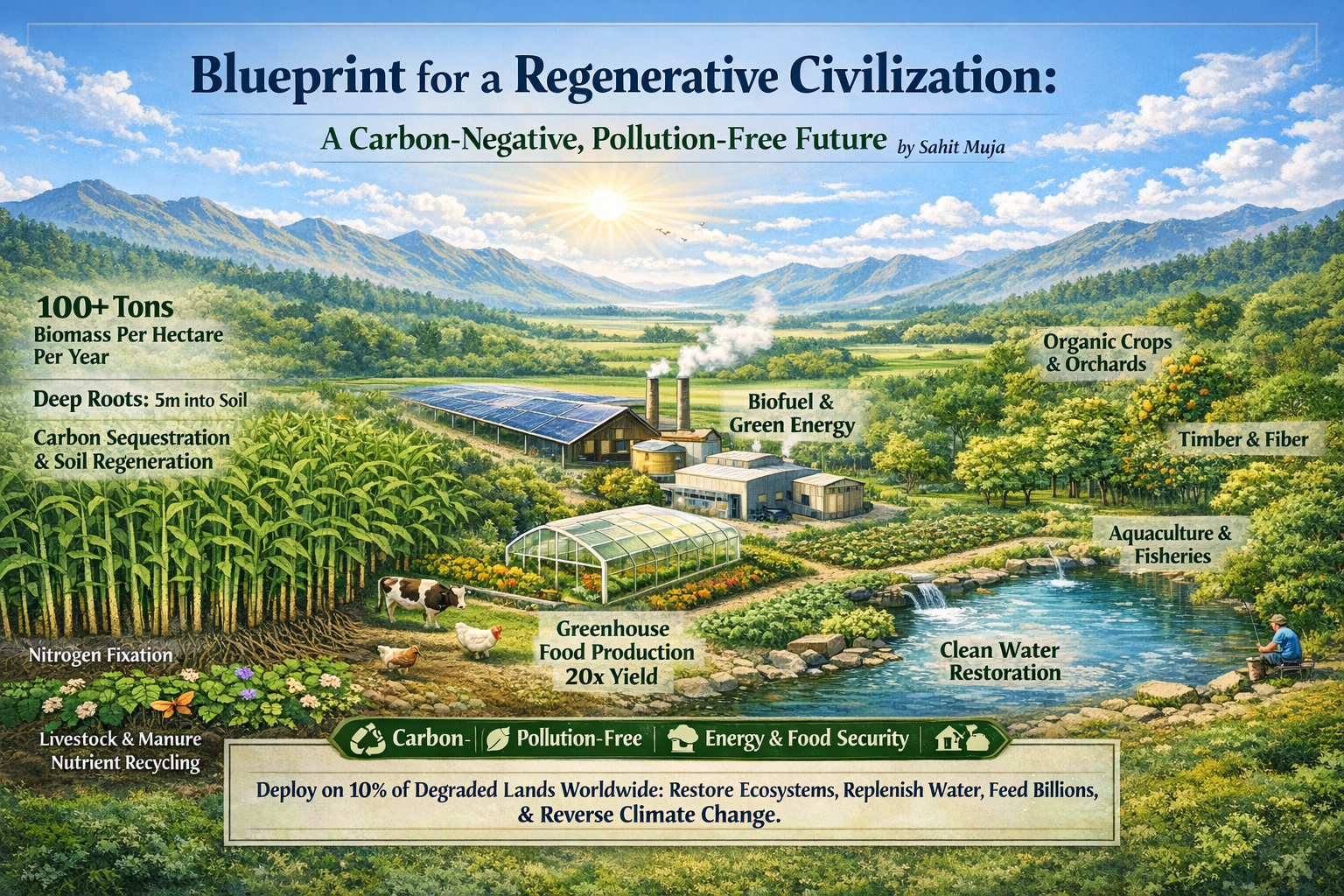
At the heart of this transformation is a singular, extraordinary plant, 🌿 Vlad Bio Titan™ meticulously optimized over decades through natural biological selection. It is the world’s highest biomass-producing perennial, capable of generating one hundred tons of biomass per hectare per year, even in the toughest, most extreme climates.
Its deep roots, extending five meters into the soil, deposit organic carbon, enhance microbial networks, and mobilize essential minerals, transforming lands previously considered infertile into engines of energy, food, and soil fertility. Above ground, its leaves and stems provide feedstock for electricity, heat, biofuels, fiber, and food. Co-cropped with legumes, the system naturally fixes nitrogen, further enriching the soil and closing nutrient cycles without any need for synthetic fertilizers. Trees, shrubs, and companion plants integrate with the perennials to form multi-layered agroforestry canopies, maximizing biomass, food, and carbon capture.
This plant-driven system operates as a fully closed-loop civilization. Harvested biomass is converted into electricity and biofuel, with residual heat channeled into greenhouses that amplify food production up to twenty fold. Ash and minerals, particularly green magnesium olivine, are returned to the soil to restore fertility and sequester carbon permanently. Livestock and manure recycle nutrients, while pollinators and keystone species ensure maximum ecological stability and biodiversity. Every element reinforces the others, creating a self-sustaining cycle in which energy, food, and carbon capture continuously regenerate the system. Fossil fuels become obsolete, synthetic fertilizers unnecessary, and soil degradation is reversed.
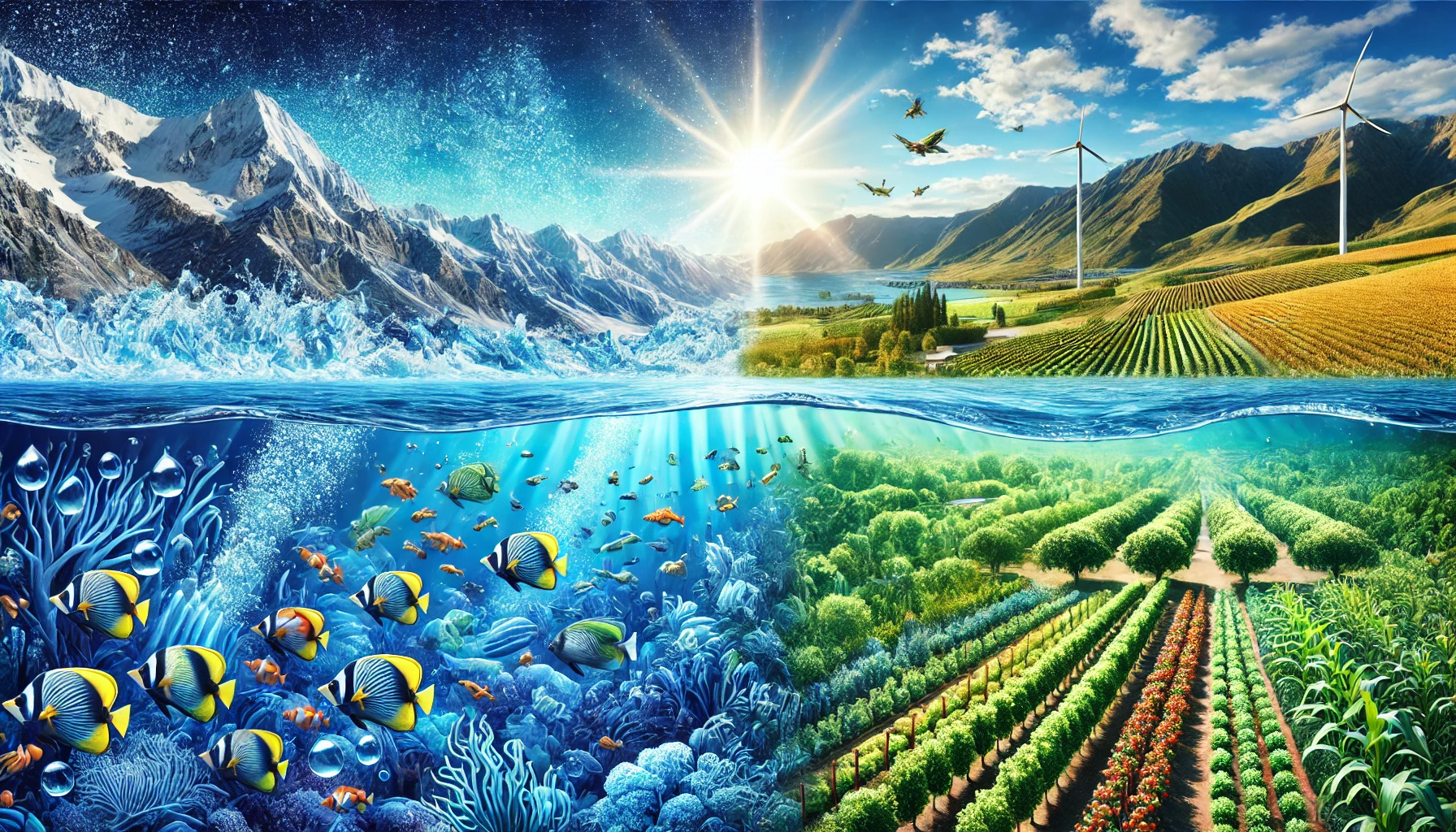
The global implications of scaling this system are profound. Deploying it on just ten percent of the world’s degraded soils could create energy independence, food security, and carbon-negative landscapes capable of feeding billions while restoring ecosystems. Rivers, lakes, and aquifers would be replenished, oceans protected, and microclimates stabilized. Pollutants would be absorbed and detoxified, transforming industrial waste into ecological and economic assets. Air quality would improve as carbon and particulate matter are captured and converted into stable mineral forms. Every hectare becomes simultaneously a generator of energy, a food-producing hub, a carbon sink, and a center for ecological restoration.
Economically and socially, the impact would be revolutionary. Millions of high-value green jobs would emerge globally across agriculture, energy, forestry, and ecosystem management. Trillions of dollars could be generated annually through biomass energy, carbon credits, timber, honey, pollination, and regenerative food systems. Communities would gain access to clean water, nutritious food, reliable energy, and climate-resilient livelihoods. Social inclusion, education, and prosperity would follow naturally from systems that provide both ecological and economic security. What was once a planetary crisis — ten million deaths a year, eight trillion dollars lost — becomes a foundation for unprecedented global regeneration.
The plant is the linchpin of this planetary transformation. Its extraordinary growth, resilience, and ability to thrive in extreme climates underpin every function: soil regeneration, carbon sequestration, biomass production, and energy generation. Co-cropped legumes amplify nitrogen availability naturally, while trees and livestock close nutrient cycles and enrich soil fertility. Greenhouse integration multiplies food output for billions, independent of seasonal or climatic variability. Minerals catalyze carbon storage and sustain fertility. Pollinators and wildlife maintain ecological balance. Together, these elements create a fully autonomous, closed-loop system that is pollution-free, carbon-negative, and capable of supporting human civilization at planetary scale.
On a global level, this regenerative approach can turn ecological disaster into opportunity. Degraded soils, polluted waters, and declining ecosystems are converted into energy, food, and economic assets. Fossil fuels and chemical fertilizers become relics of a destructive past. Air and water are purified, soils become carbon-rich and fertile, and ecosystems flourish alongside human activity. Millions of people gain access to secure livelihoods, nutritious food, and reliable energy, while global carbon levels decline, biodiversity rebounds, and oceans are protected from further degradation. The result is a civilization in which life, energy, food, and wealth are produced in harmony with the Earth’s fundamental processes, with no net pollution, negative CO₂ emissions, and fully closed-loop regenerative systems.
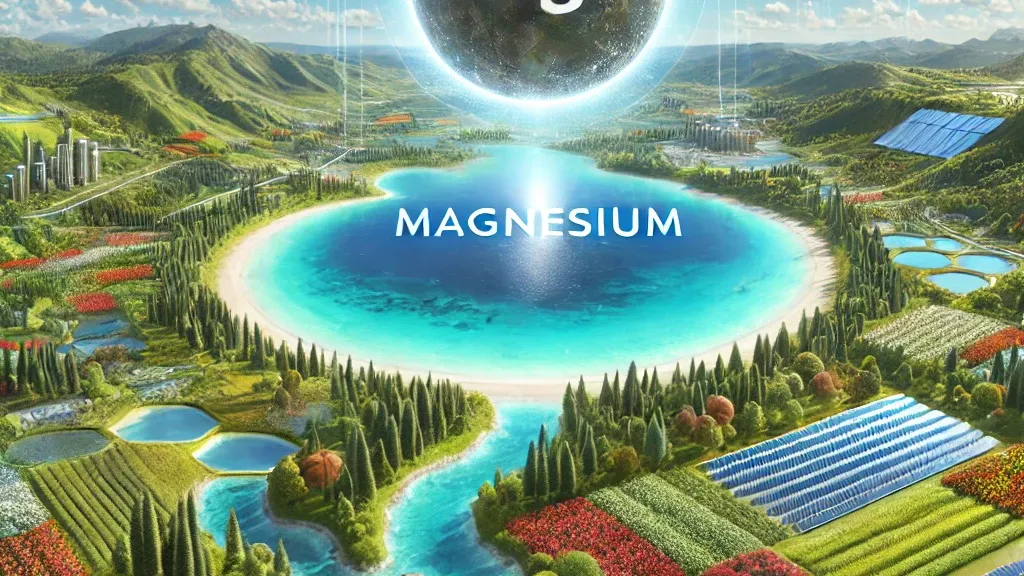
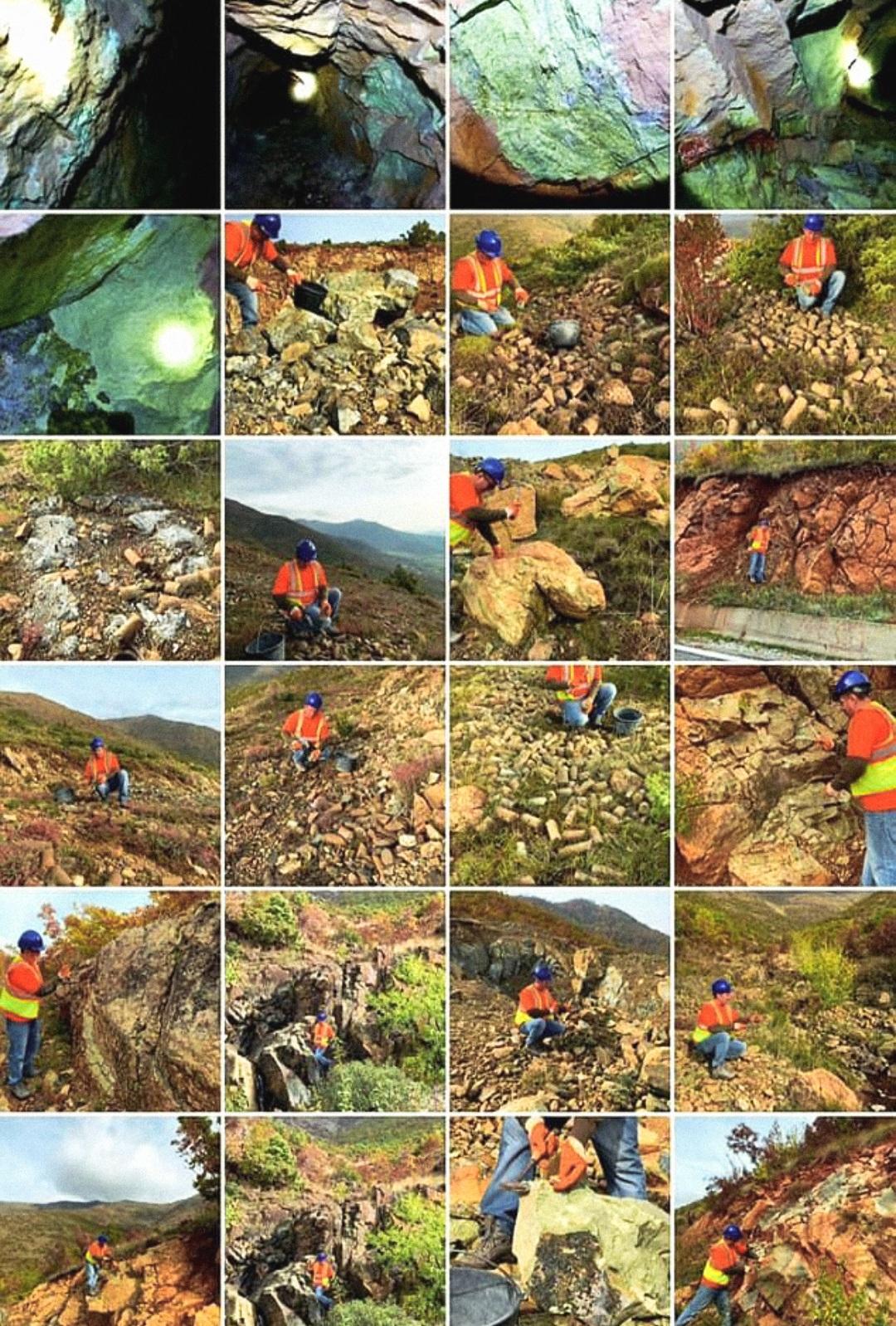
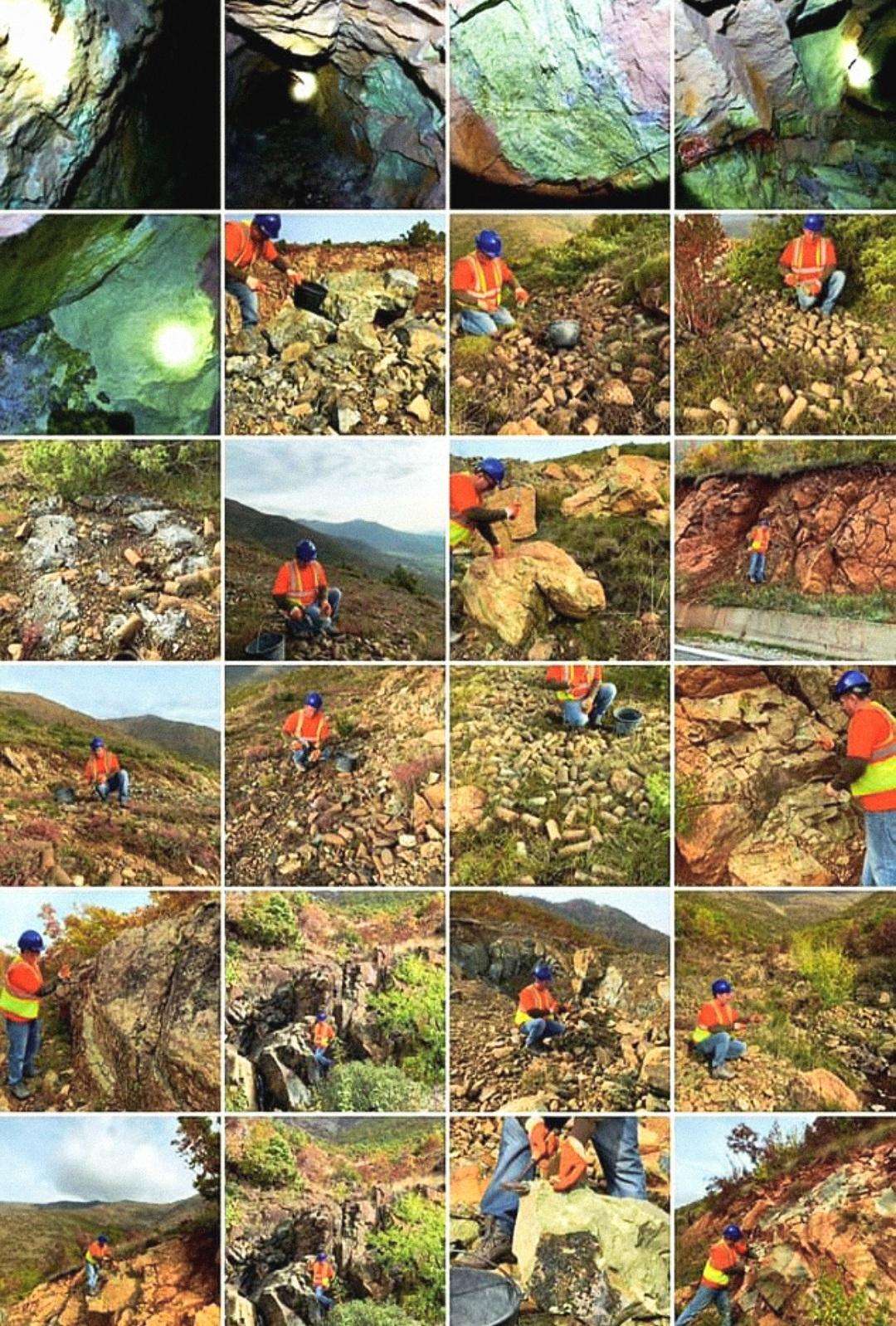
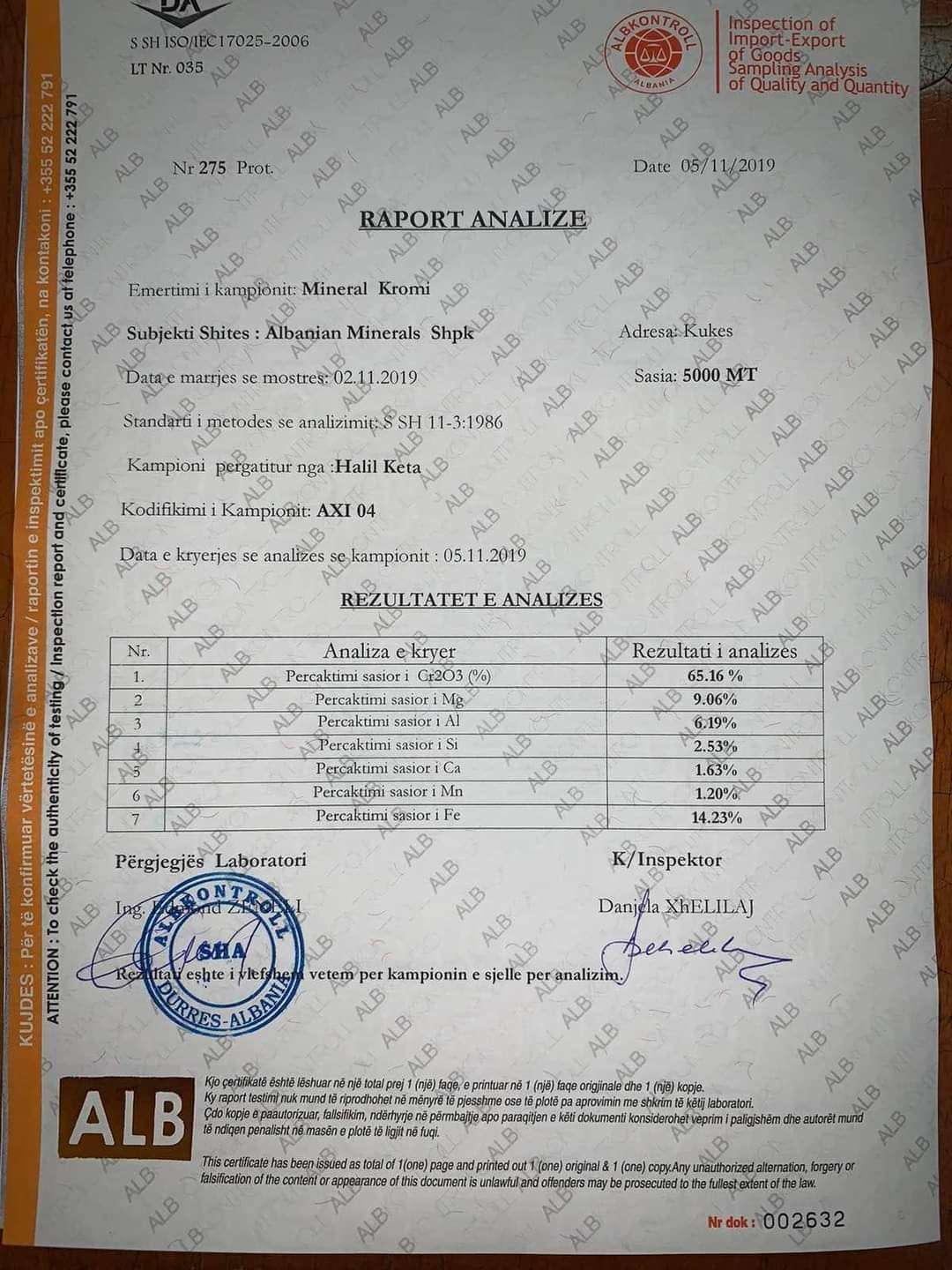
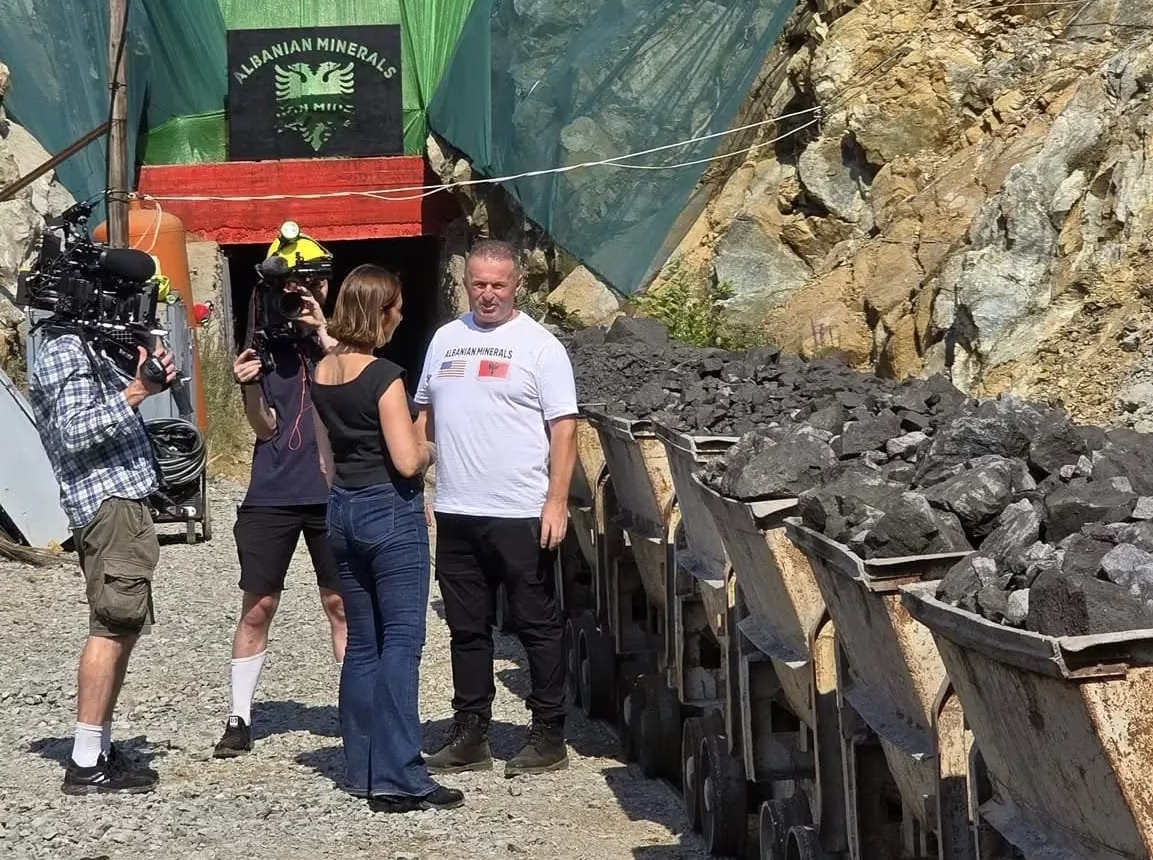
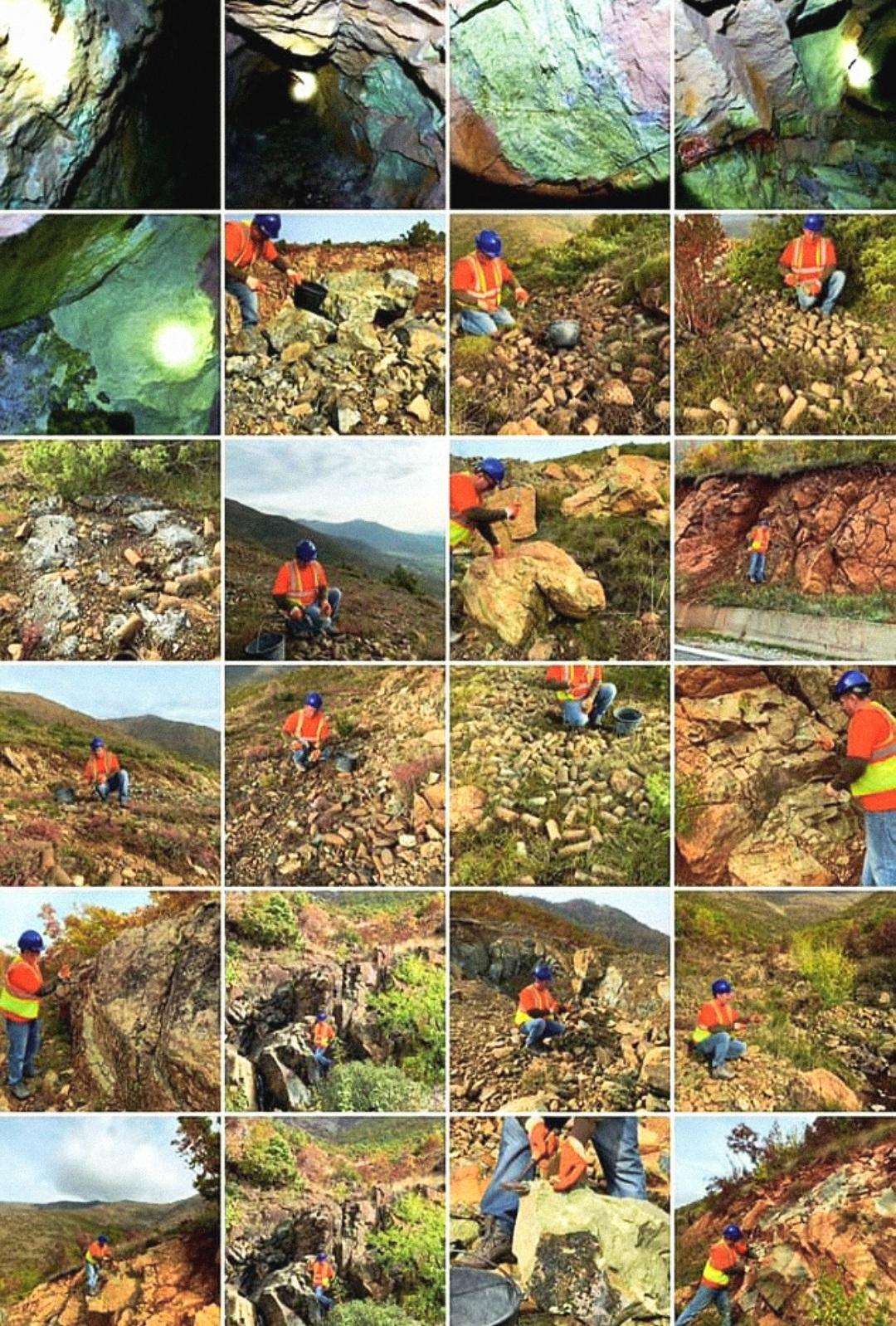
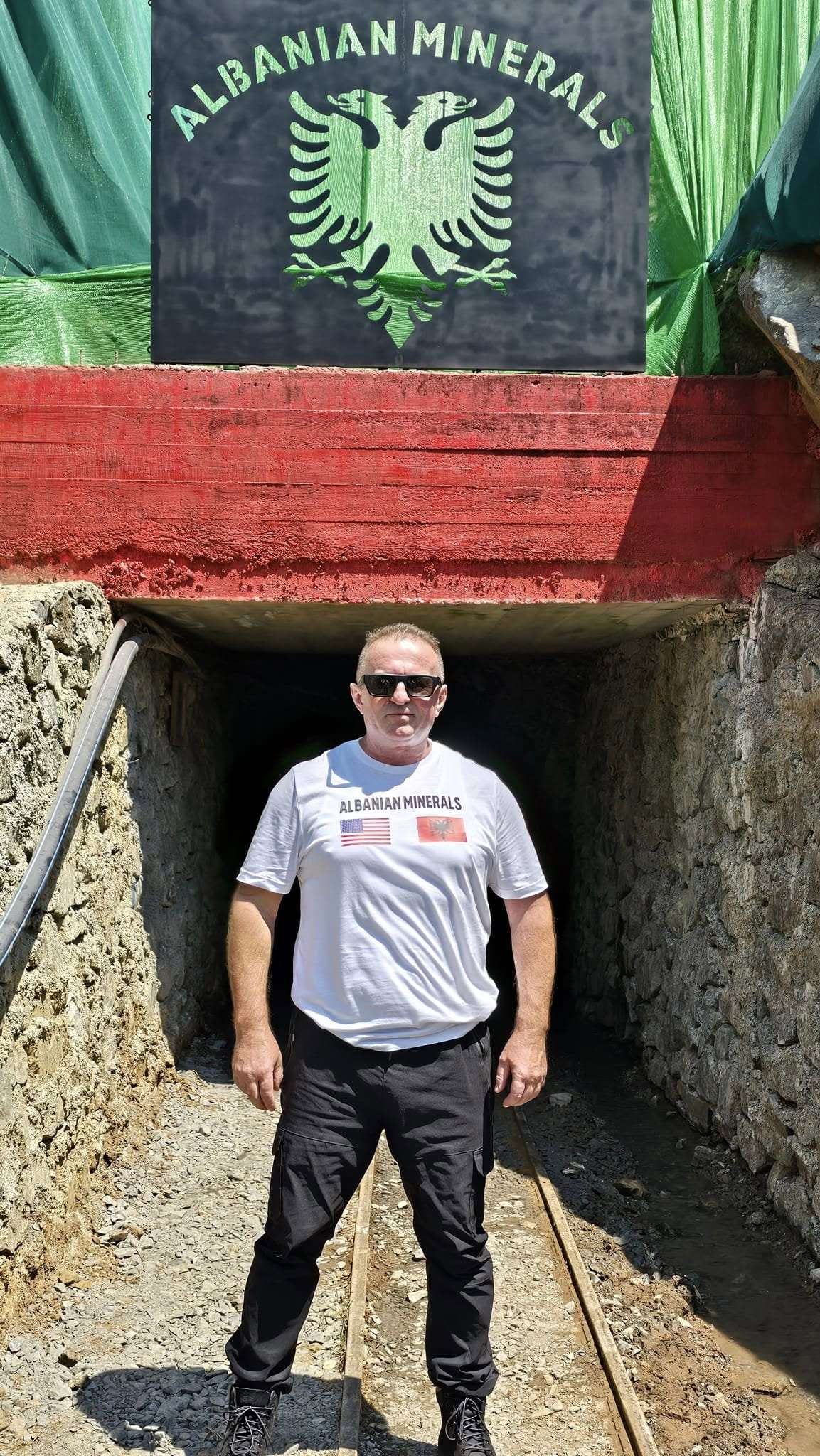
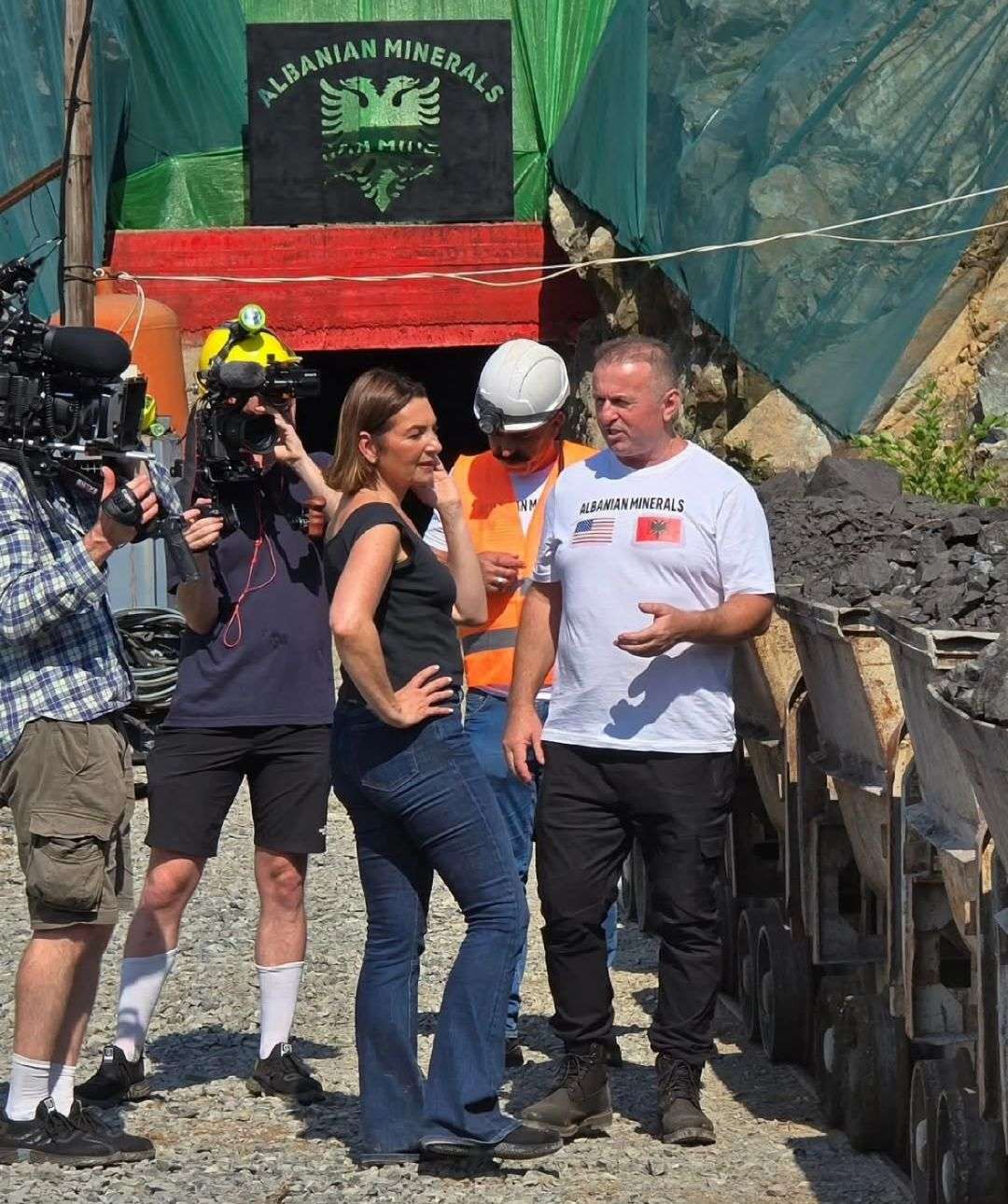
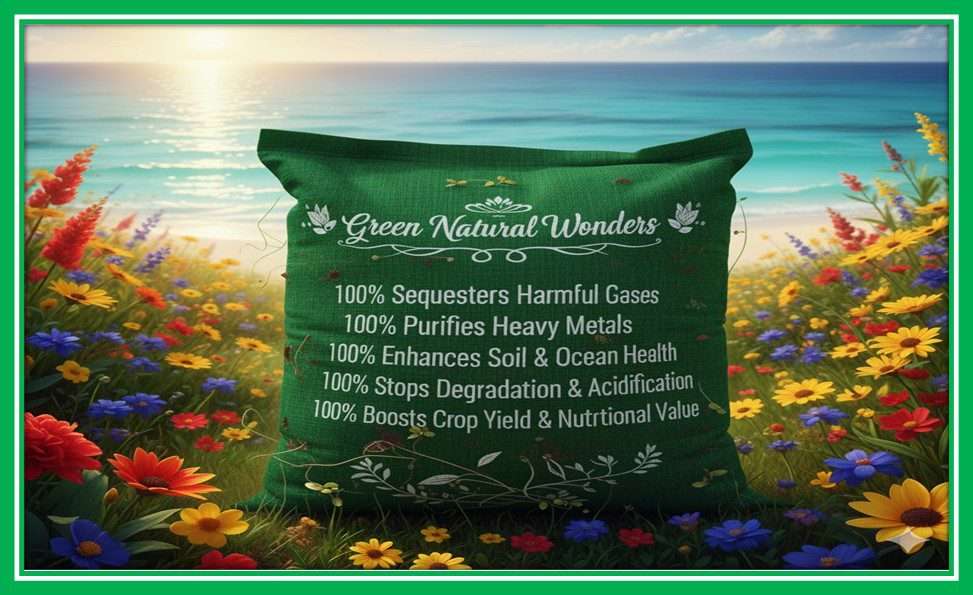
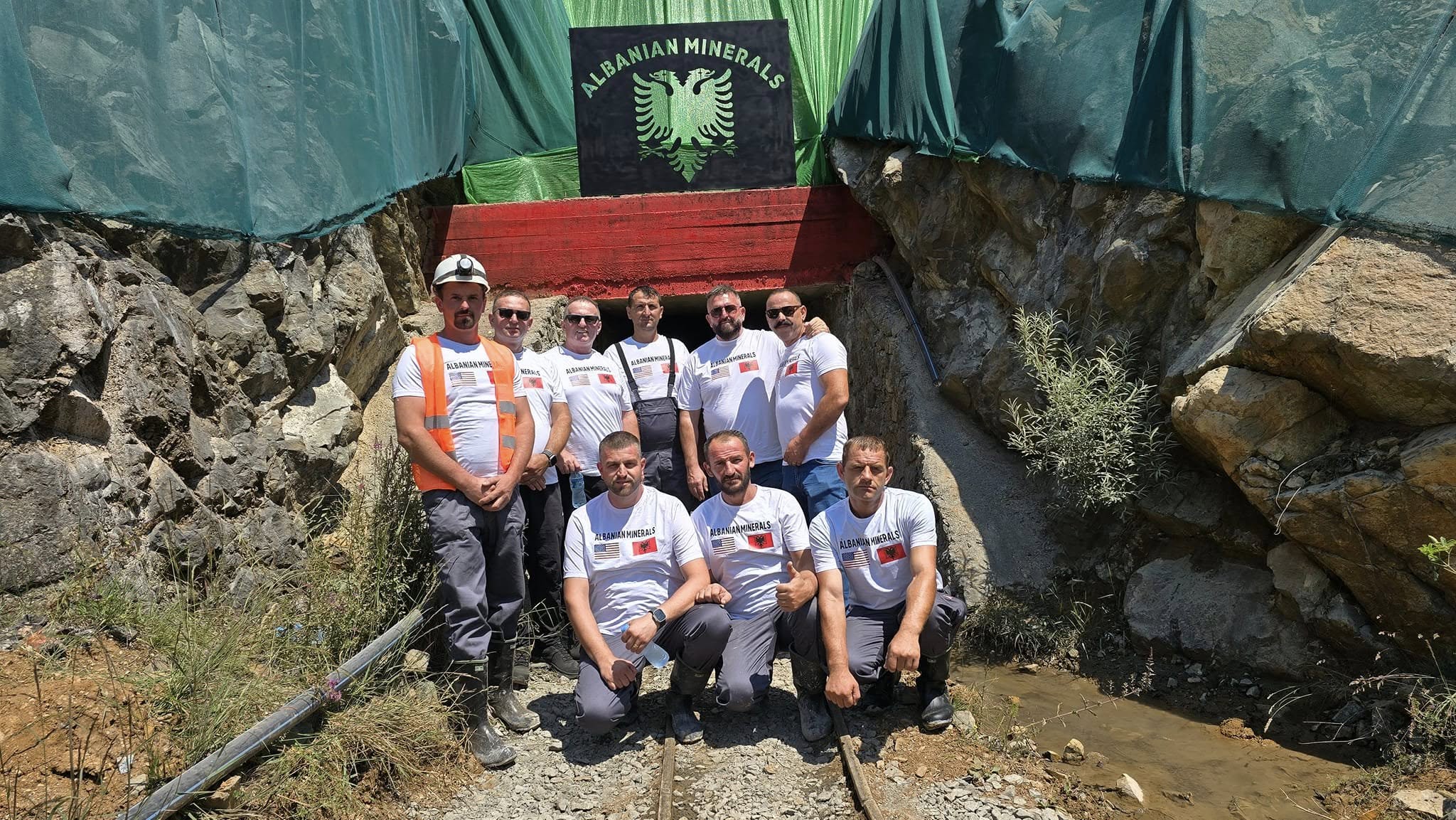
In this breakthrough regenerative project, exceptional plant growth is driven by magnesium’s central role in cellular energy and photosynthesis. As the core element of chlorophyll, magnesium powers each plant cell, activates enzyme systems, enhances nutrient uptake, strengthens root expansion, and stimulates soil microbiology. By neutralizing soil acidity and unlocking mineral availability, magnesium enables record biomass production exceeding 100 tons per hectare, transforming degraded land into a closed-loop system delivering clean energy, food security, carbon sequestration, and sustainable planetary restoration. Albanian Minerals holds the world’s largest reserve of high-grade green magnesium, positioned to power this global regenerative revolution at scale.
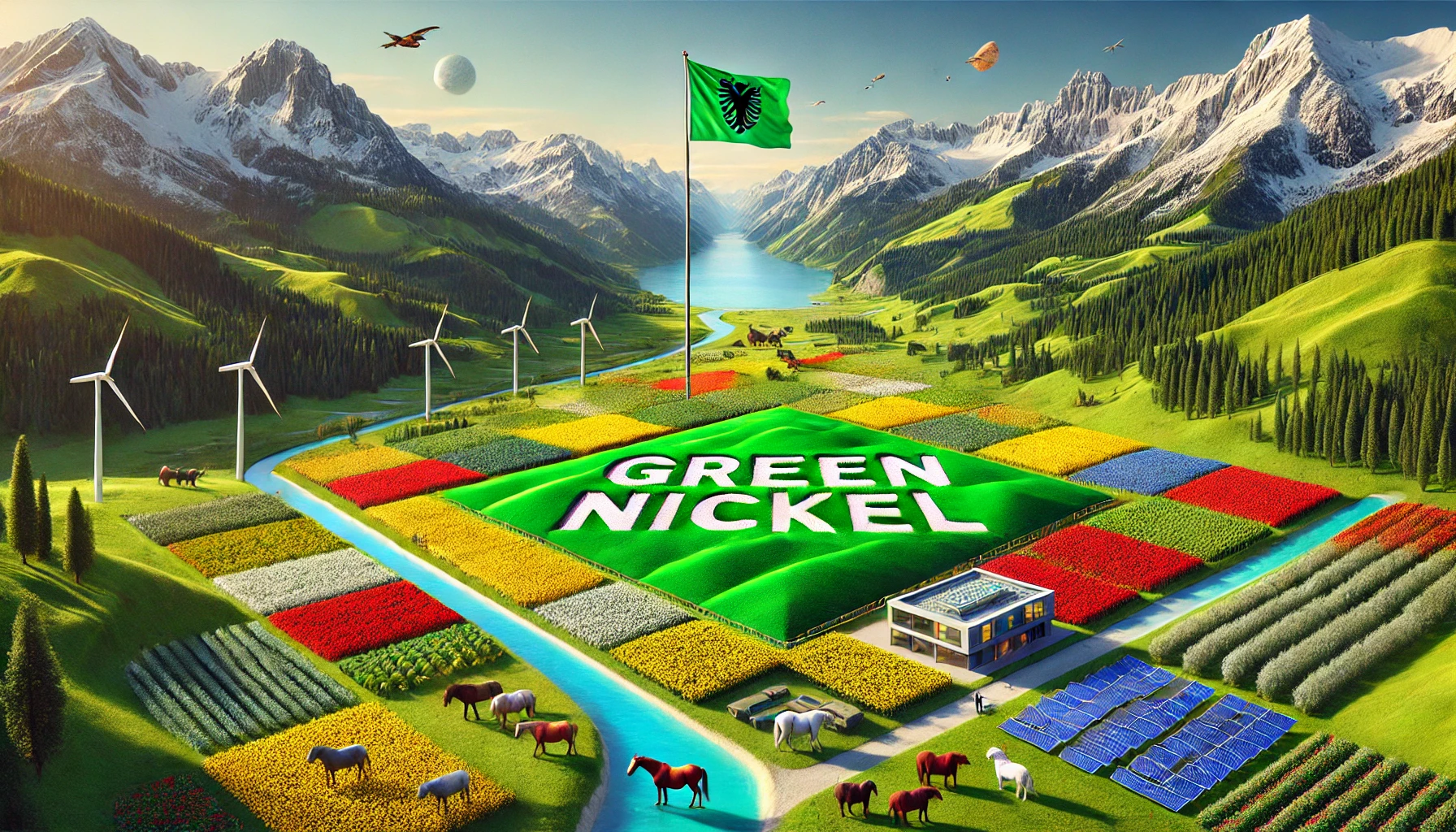
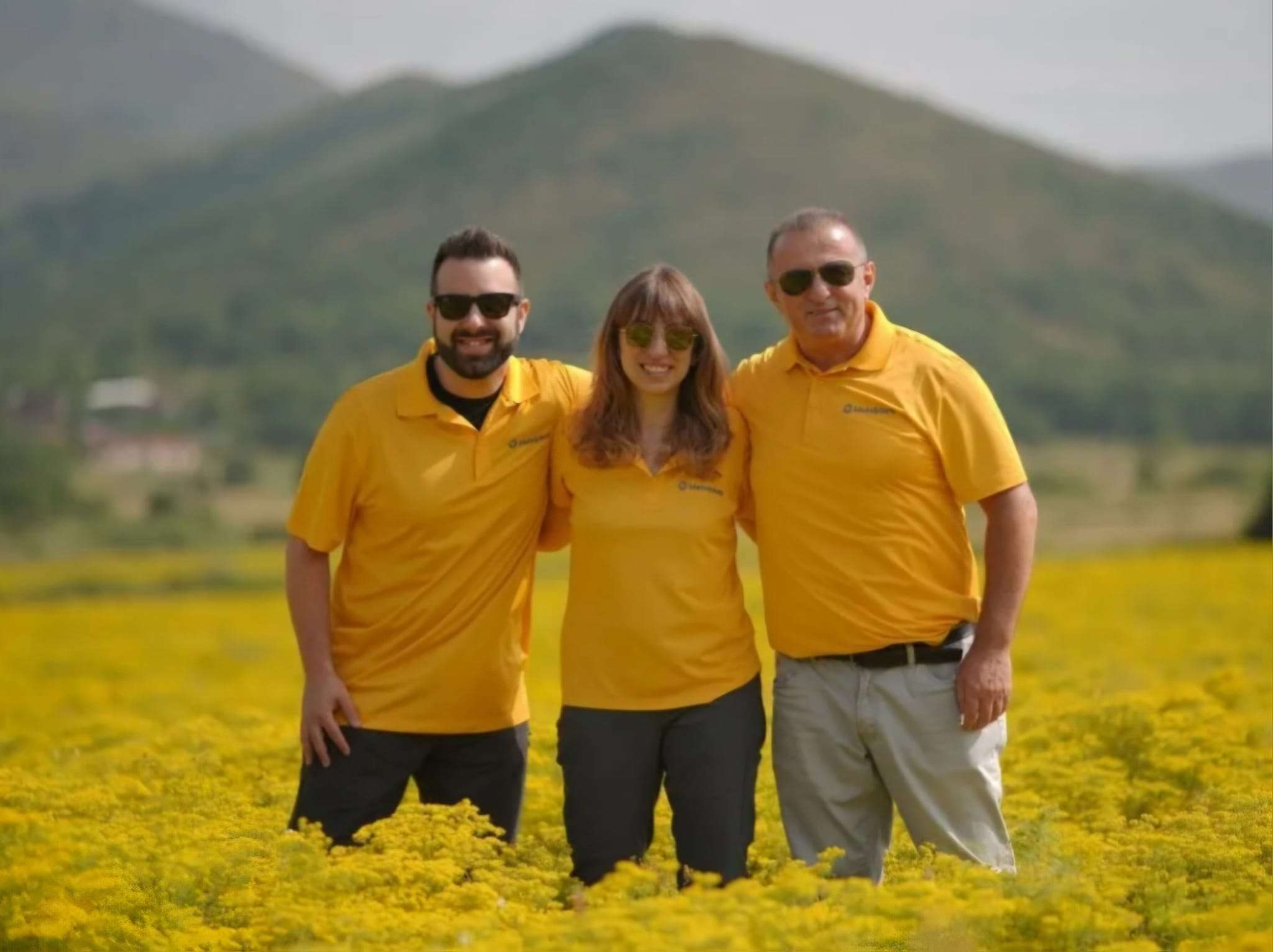
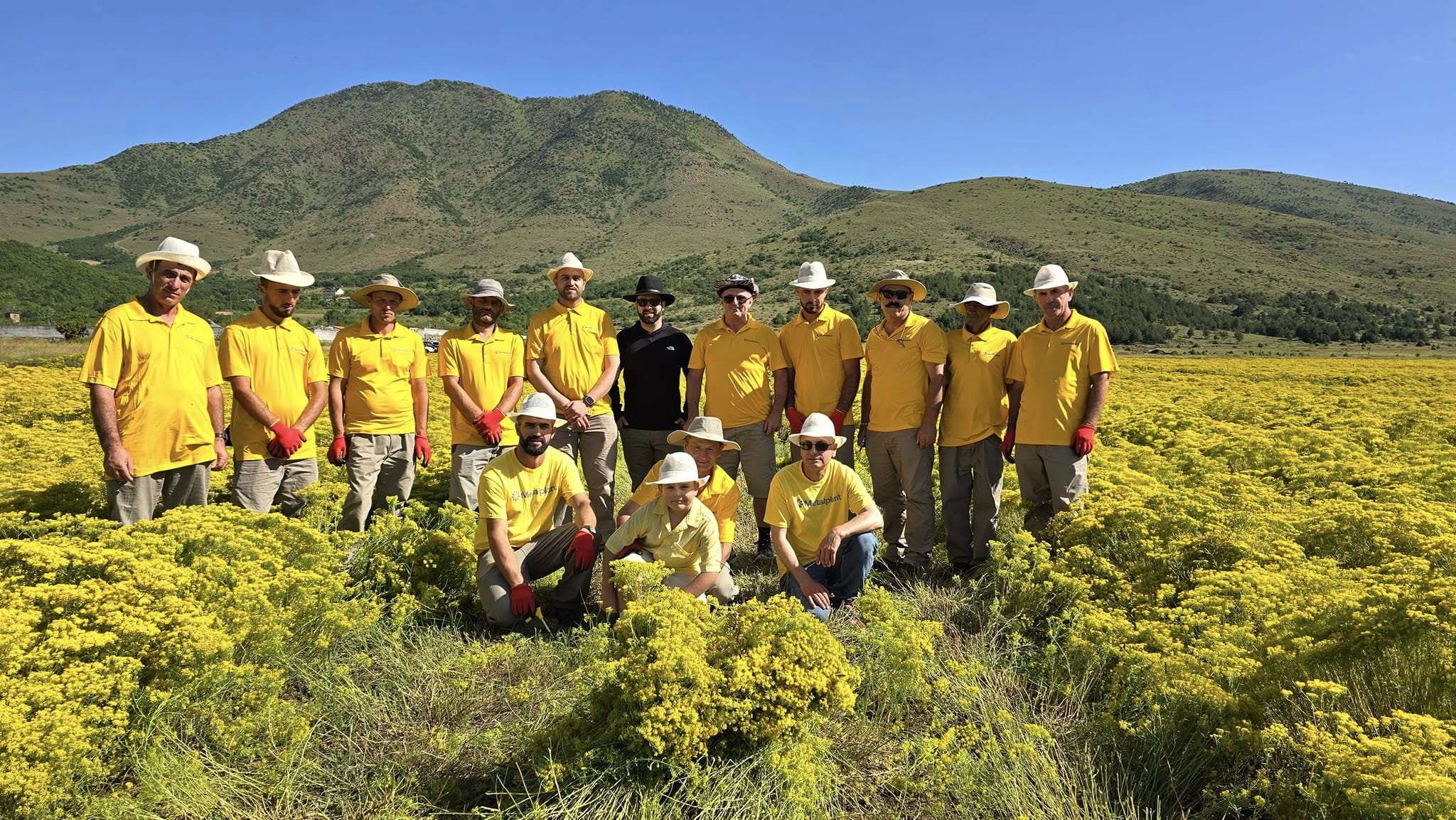
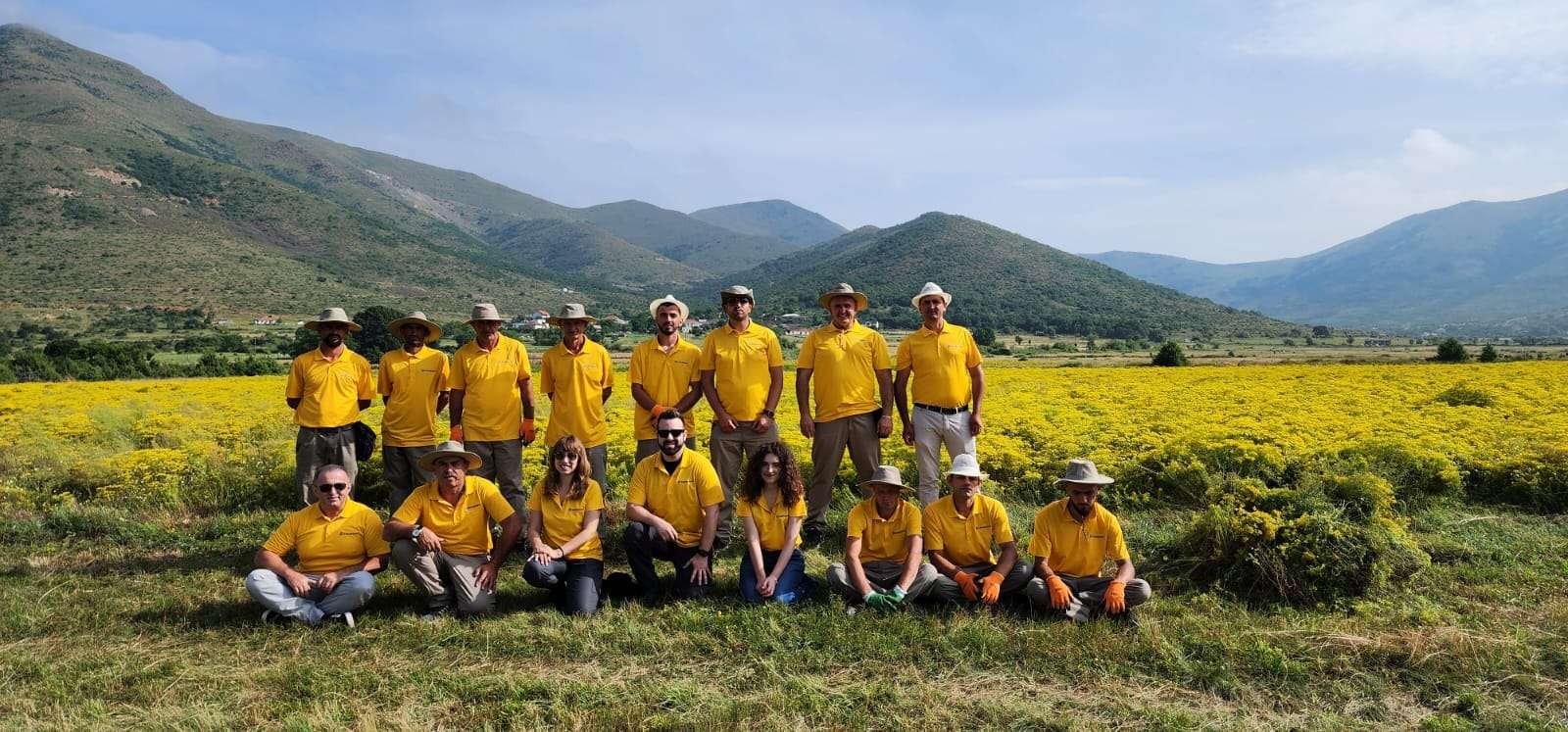
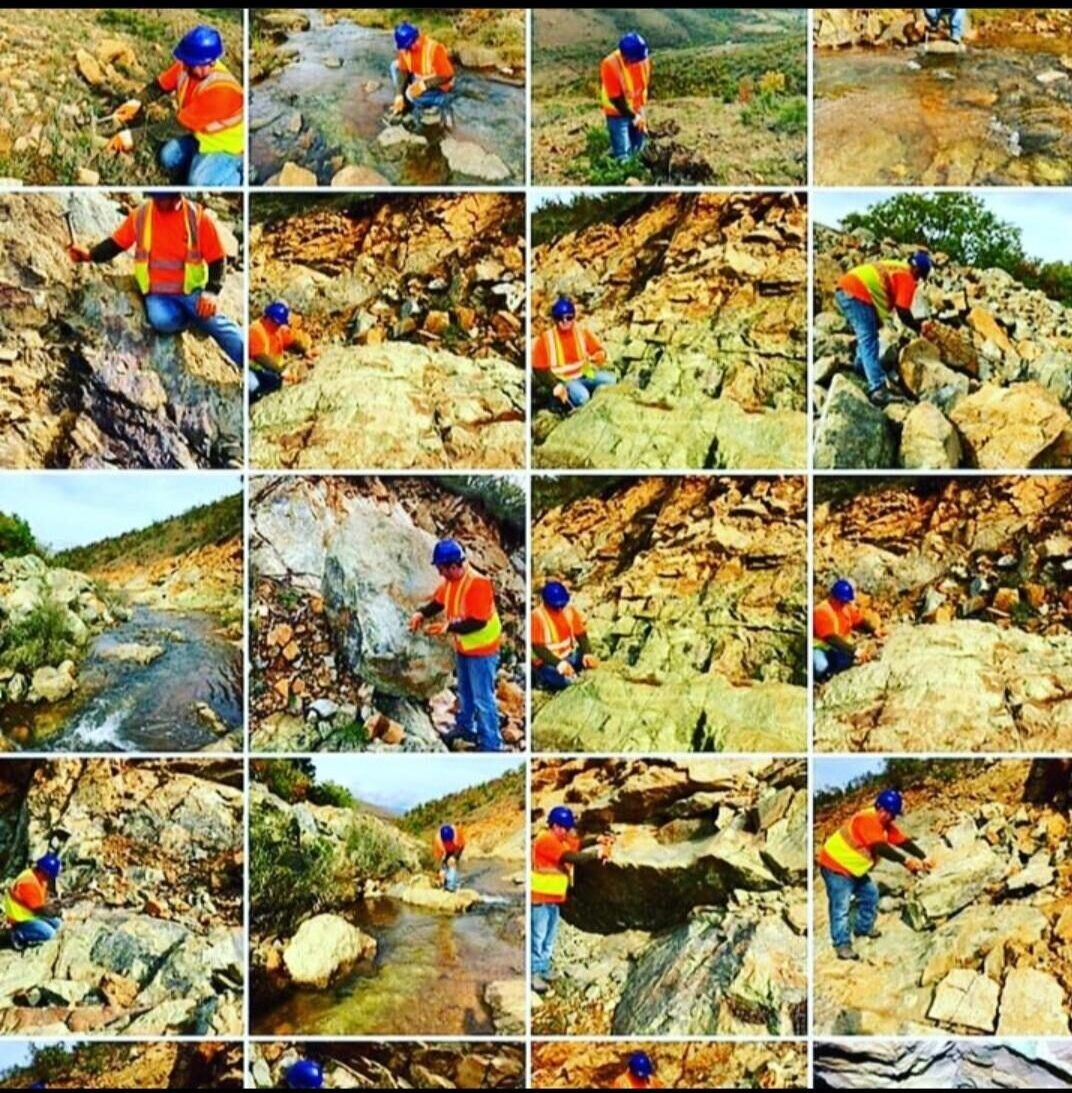
Albanian Minerals and its sister companies have achieved unprecedented results with a 25-year perennial plant pilot project growing in Tropojë, Albania, producing a world-record commercial dry biomass yield exceeding 100 tons per hectare. Fully integrated with legumes, companion trees, fruit orchards, timber, wildflowers, livestock, bees, greenhouses, and aquaculture, the system creates a completely closed-loop regenerative ecosystem. Advanced water restoration and reservoir management, enhanced with green magnesium to neutralize acidity, prevent soil erosion, and mitigate floods, are fully integrated with soil regeneration, carbon-negative energy, organic food production, fisheries, and biodiversity. Once-poor soils are transformed into highly productive, pollution-free landscapes that generate sustainable energy, food security, ecological wealth, and multi-industry outputs at planetary scale.
This vision is no longer theoretical. The plants exist, the mineral catalysts exist, and the closed-loop technologies are within reach. What remains is the global coordination, investment, and vision to implement these systems at scale. By doing so, humanity can not only avert the death of ten million lives each year and stop the loss of eight trillion dollars in value, but can also create a world in which energy, food, clean water, and biodiversity are abundant, secure, and regenerative. It is a civilization that thrives, not merely survives, powered by sunlight, minerals, plants, animals, and human ingenuity working in concert. A civilization that turns the poorest soils into the most productive, that converts pollution into wealth, and that makes regeneration, not exploitation, the defining principle of human progress. The time to act is now, and the potential for a global, pollution-free, carbon-negative, regenerative civilization has never been greater.
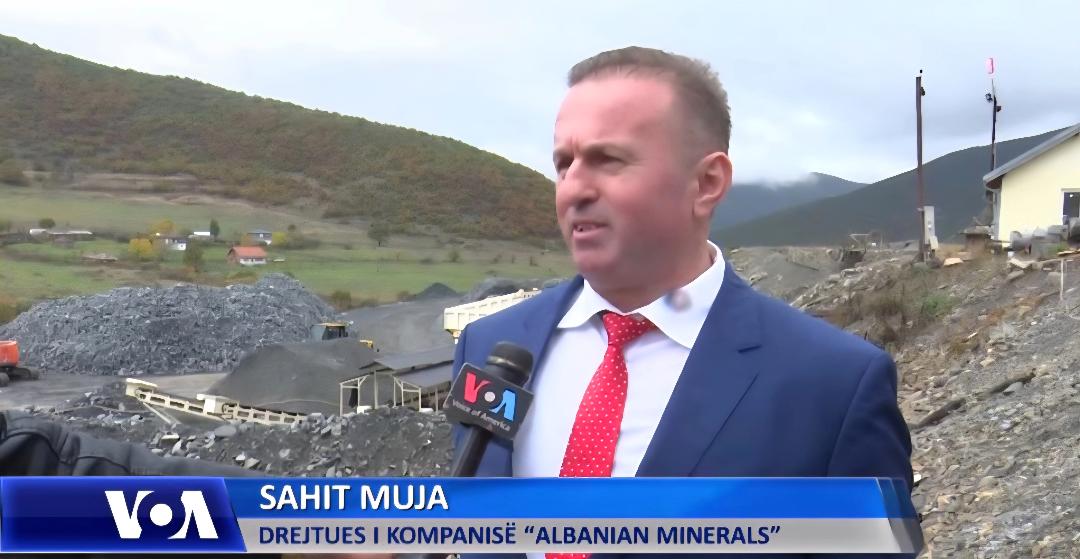
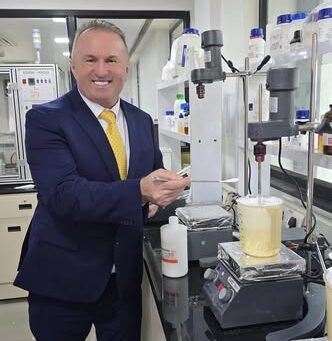
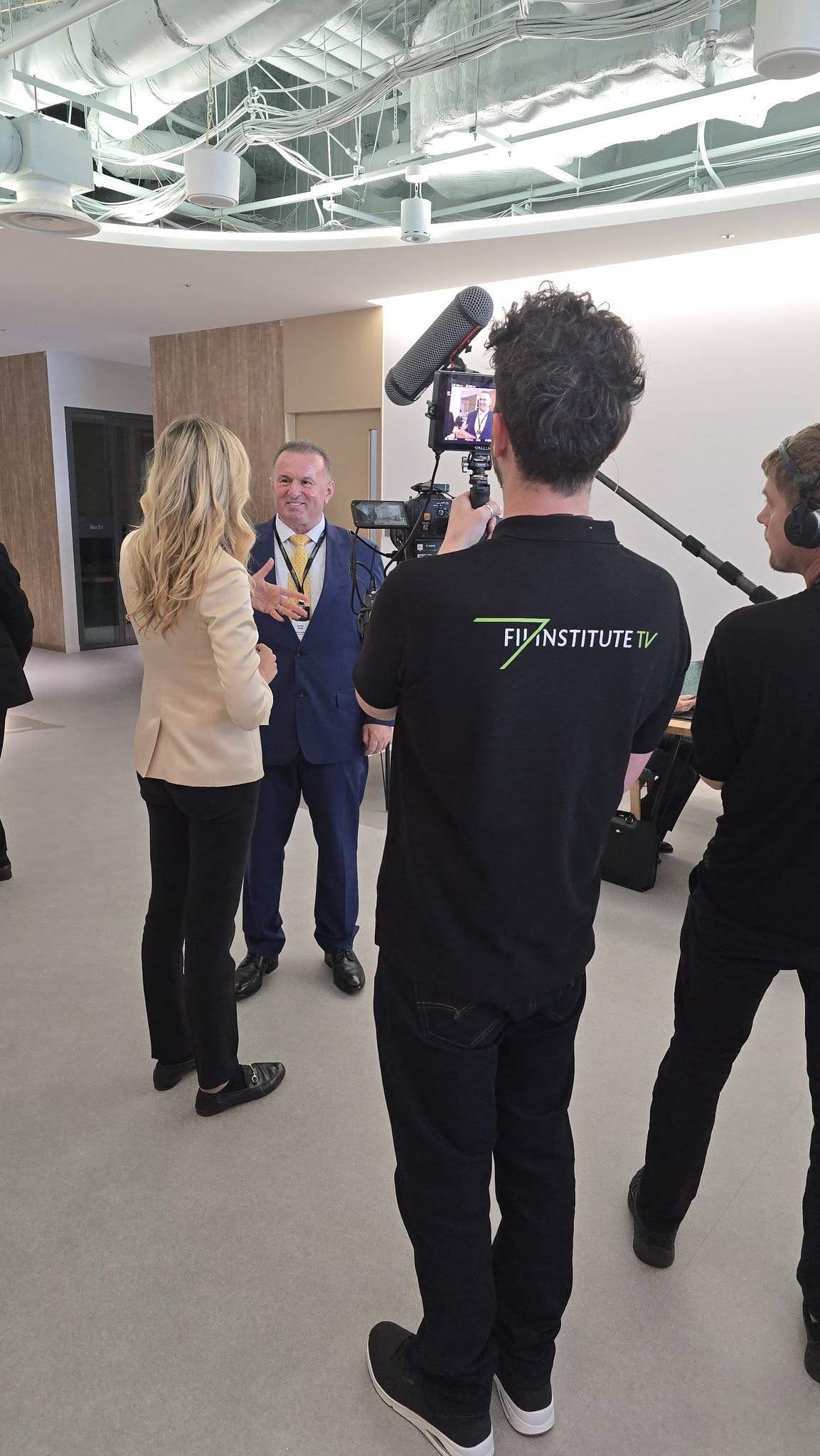
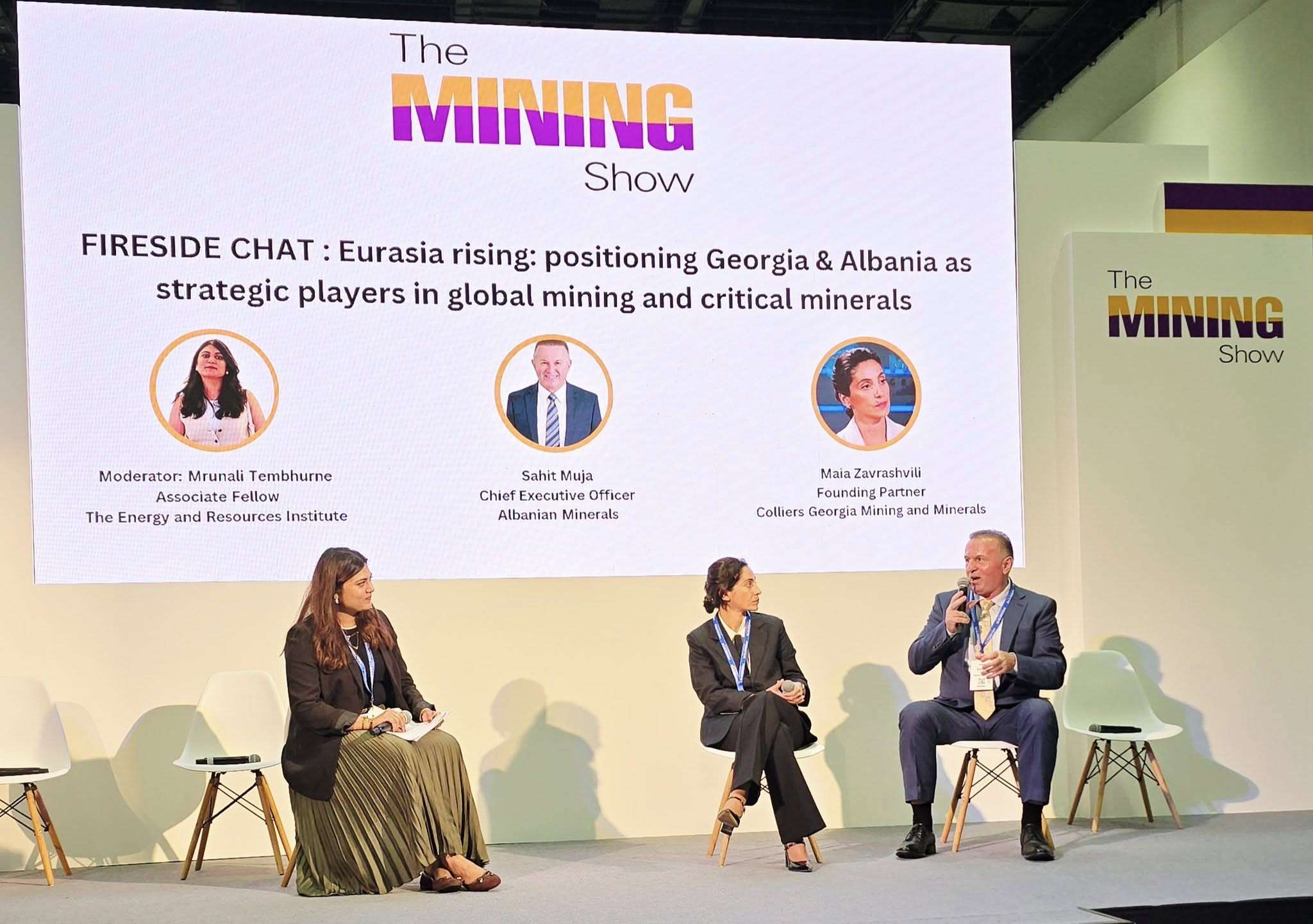
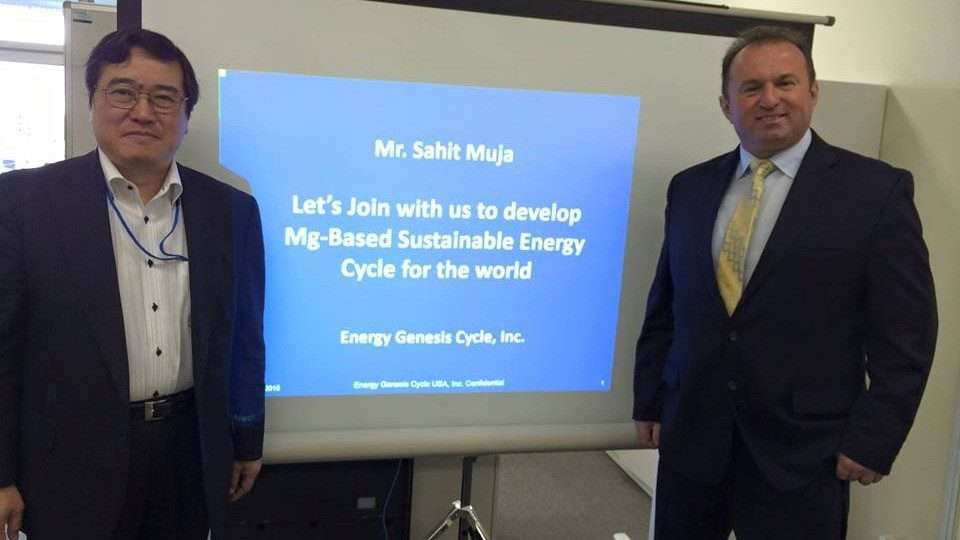
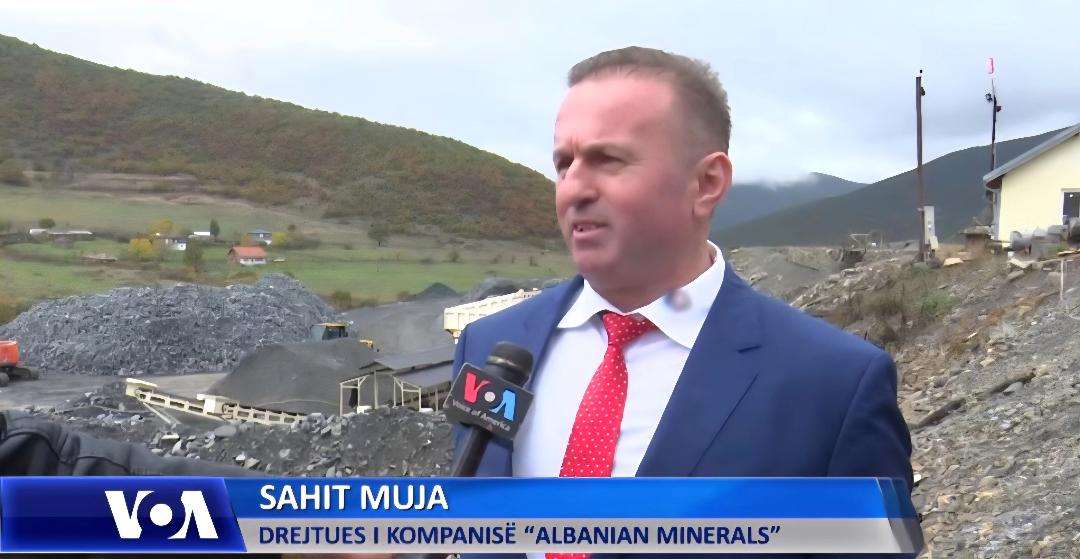
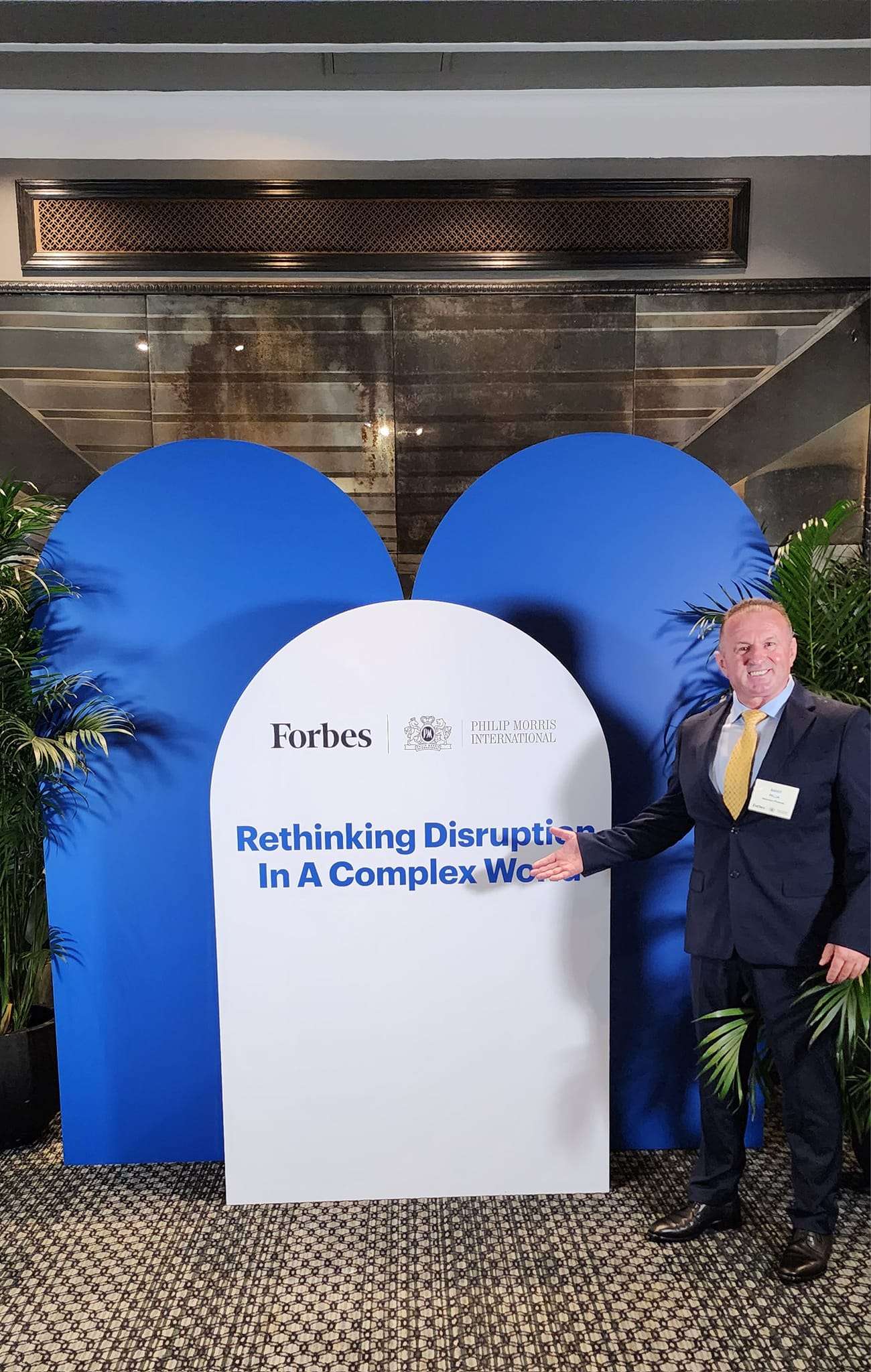
Sahit Muja, CEO of Albanian Minerals, said: ‘With the world’s largest reserve of green magnesium, our revolutionary biomass system turns the harshest soils into 100-ton-per-hectare carbon-negative landscapes, delivering limitless clean energy, food security, and planetary regeneration.”