In an era marked by urgent environmental challenges and accelerating scientific innovation, the global community has begun a critical reassessment of the materials that will shape our future. As societies transition toward long‑term resilience, a single element has quietly emerged from the bedrock of geology into the forefront of 21st‑century strategy: magnesium.
Often overlooked, rarely celebrated, and fundamentally misunderstood, magnesium is now at the nexus of breakthroughs in energy, ecology, human health, and industrial innovation. Its rise reflects not just a shift in technological possibility, but a deeper alignment between human systems and the natural world.
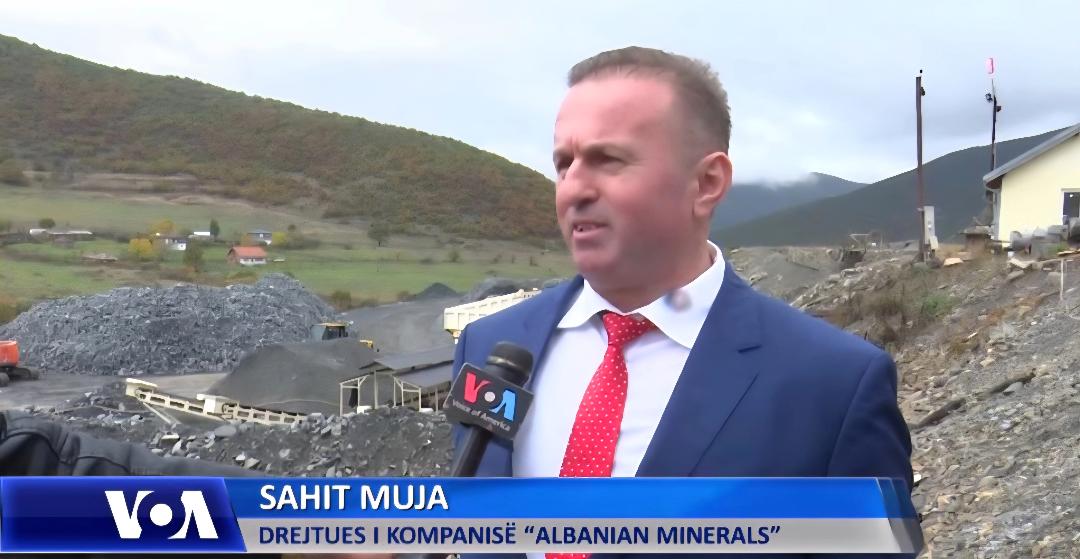
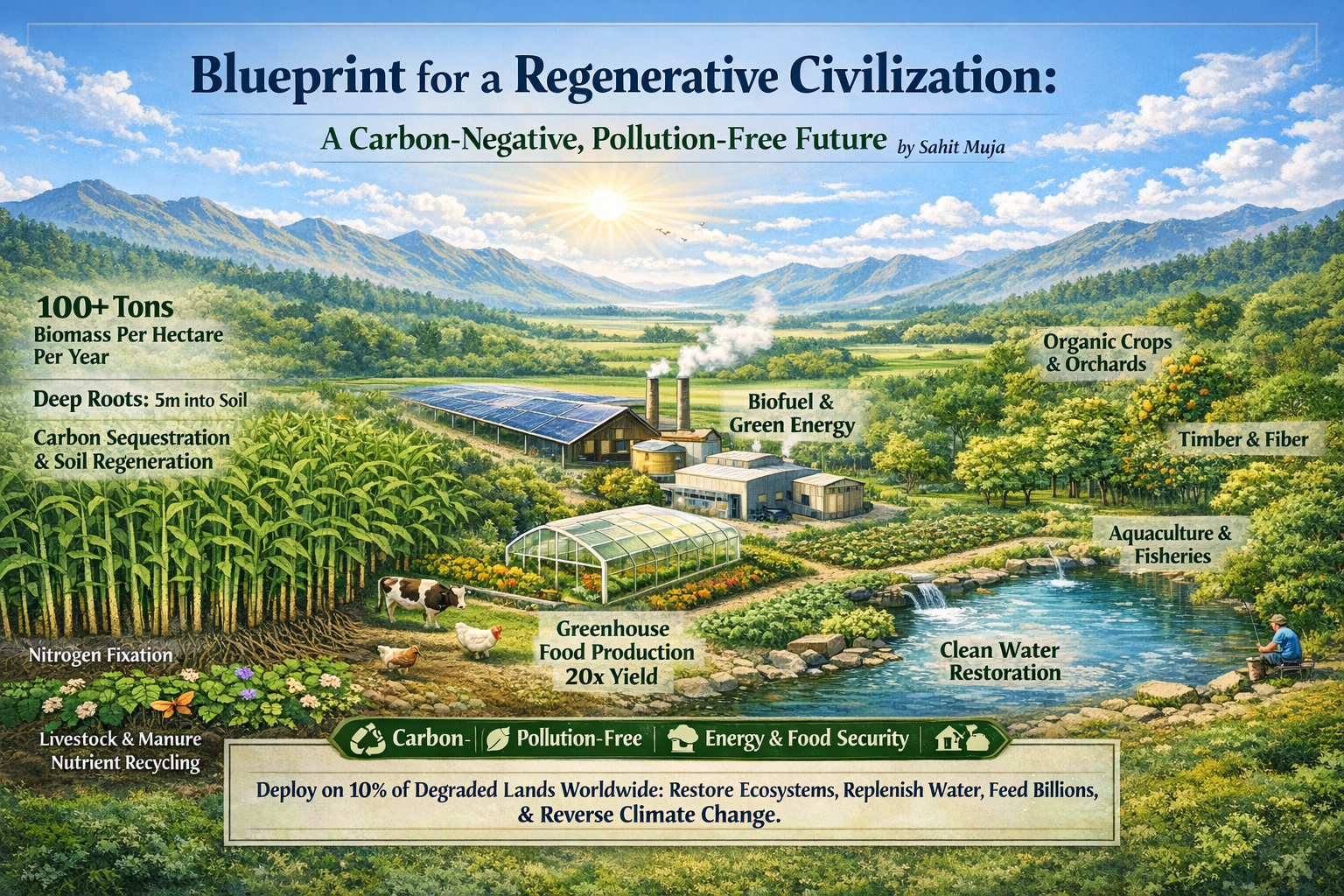
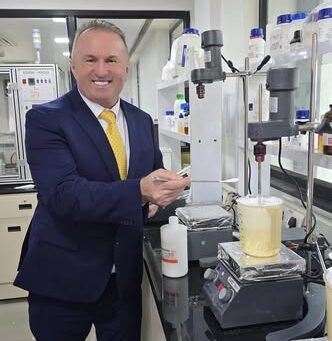
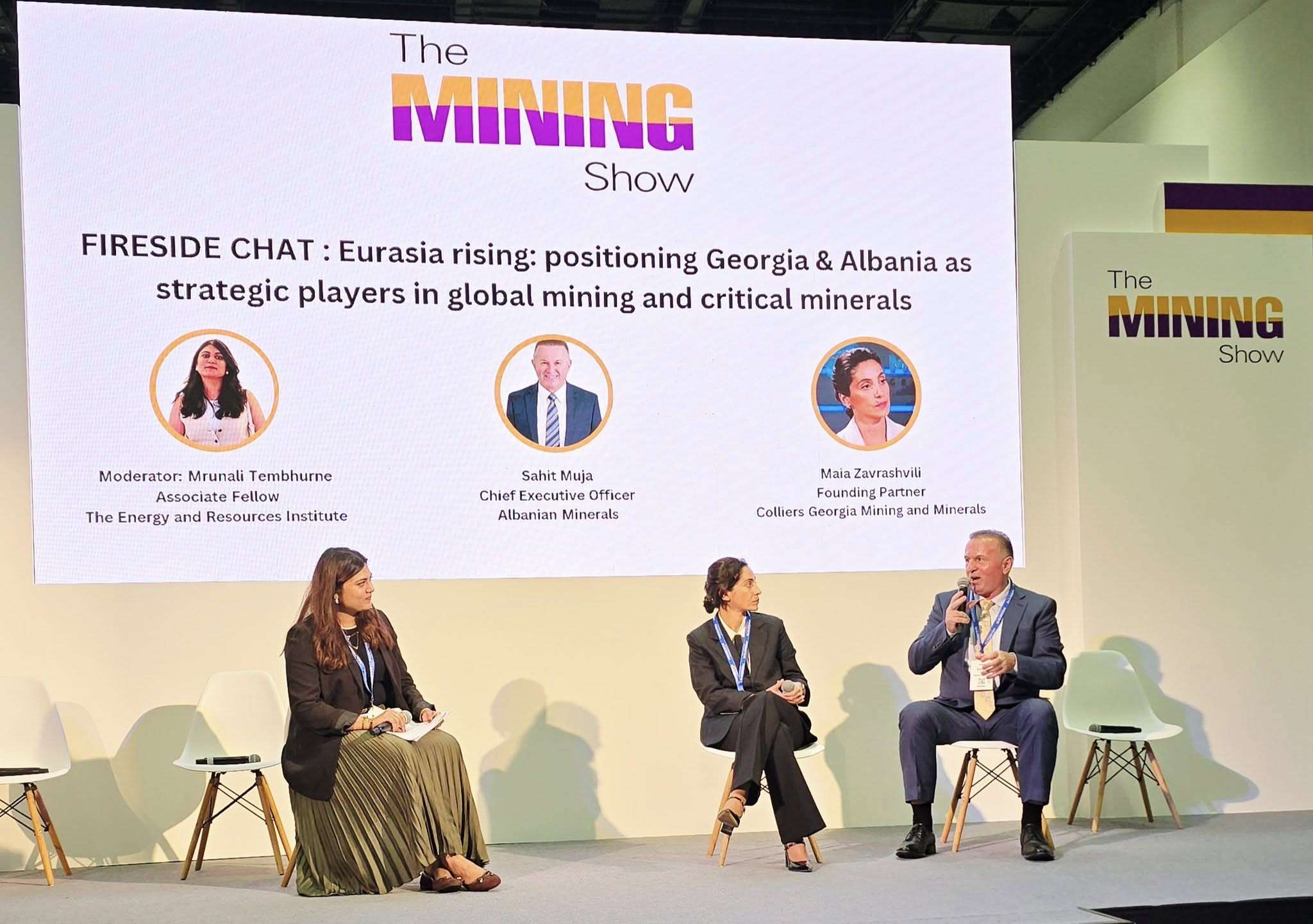
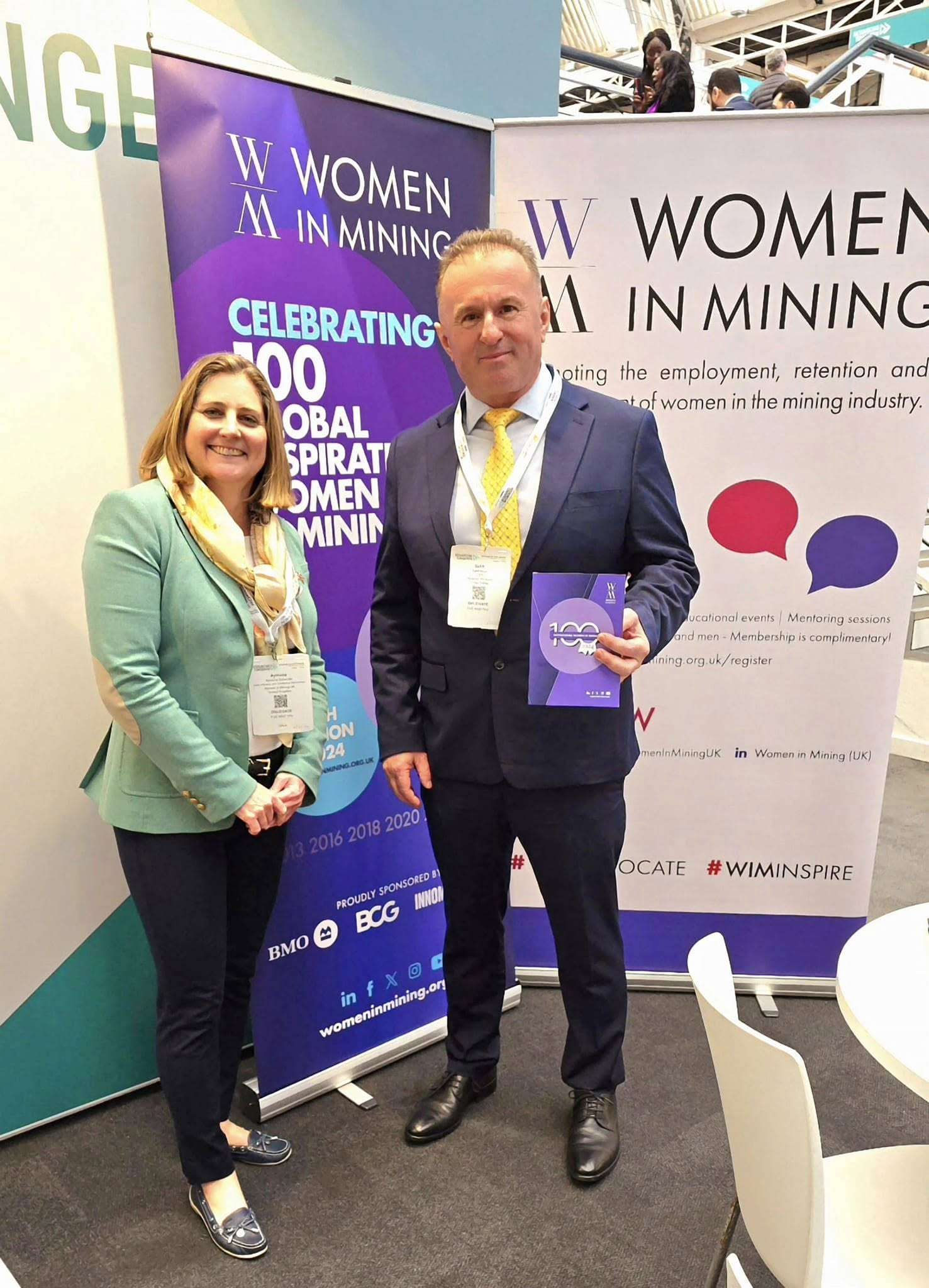
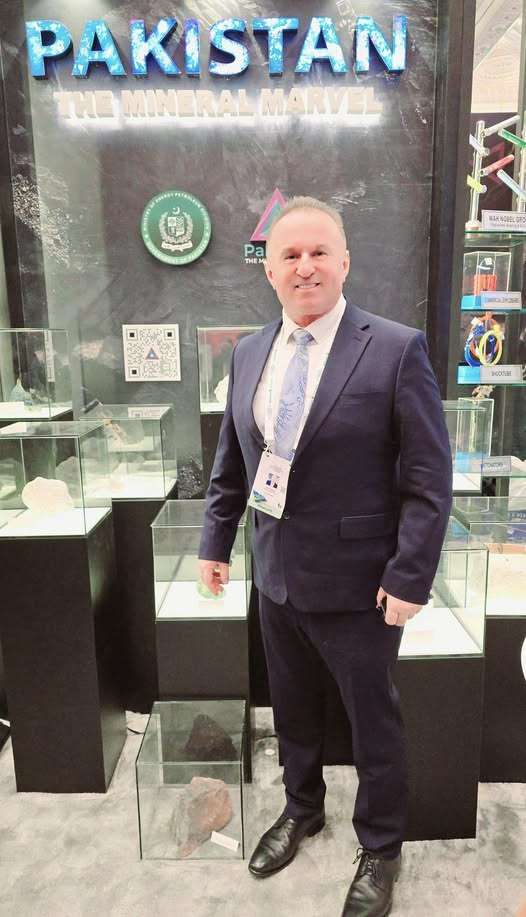
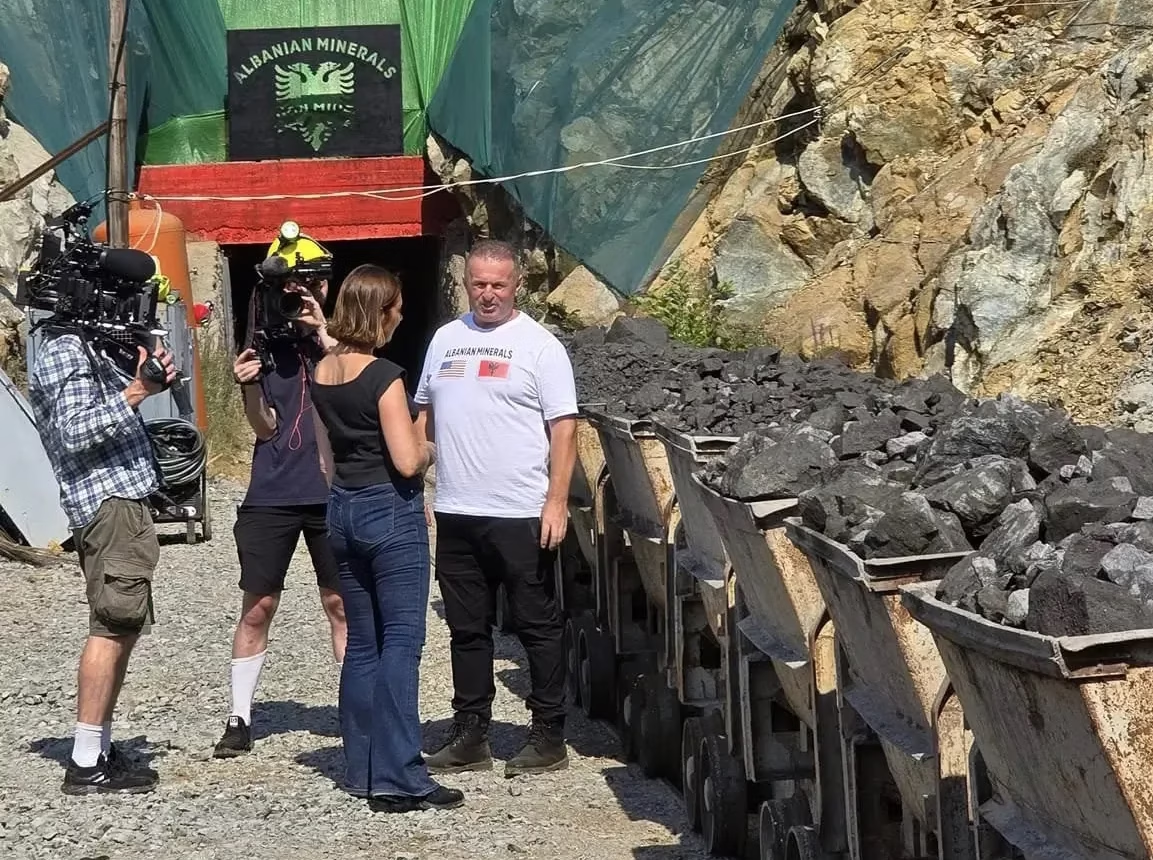
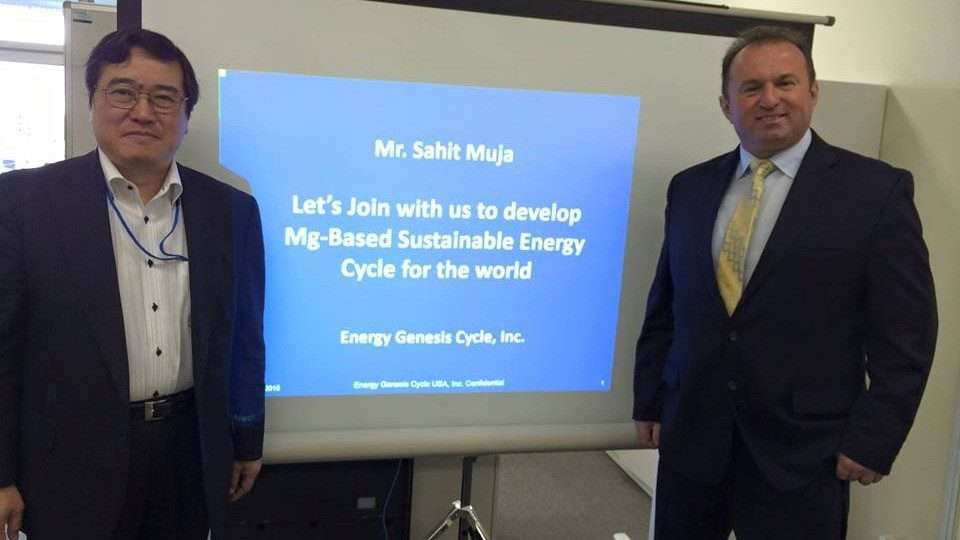
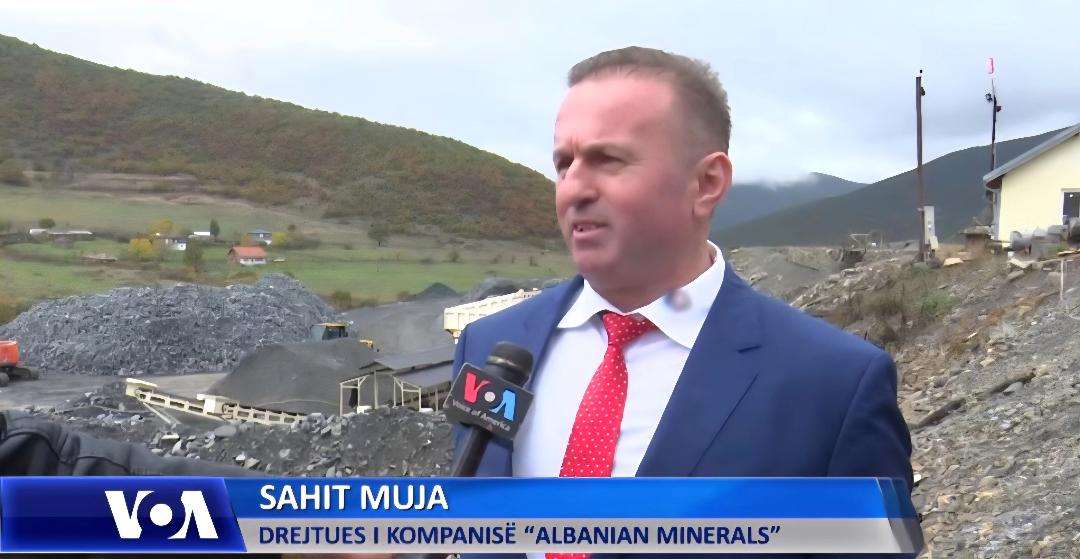
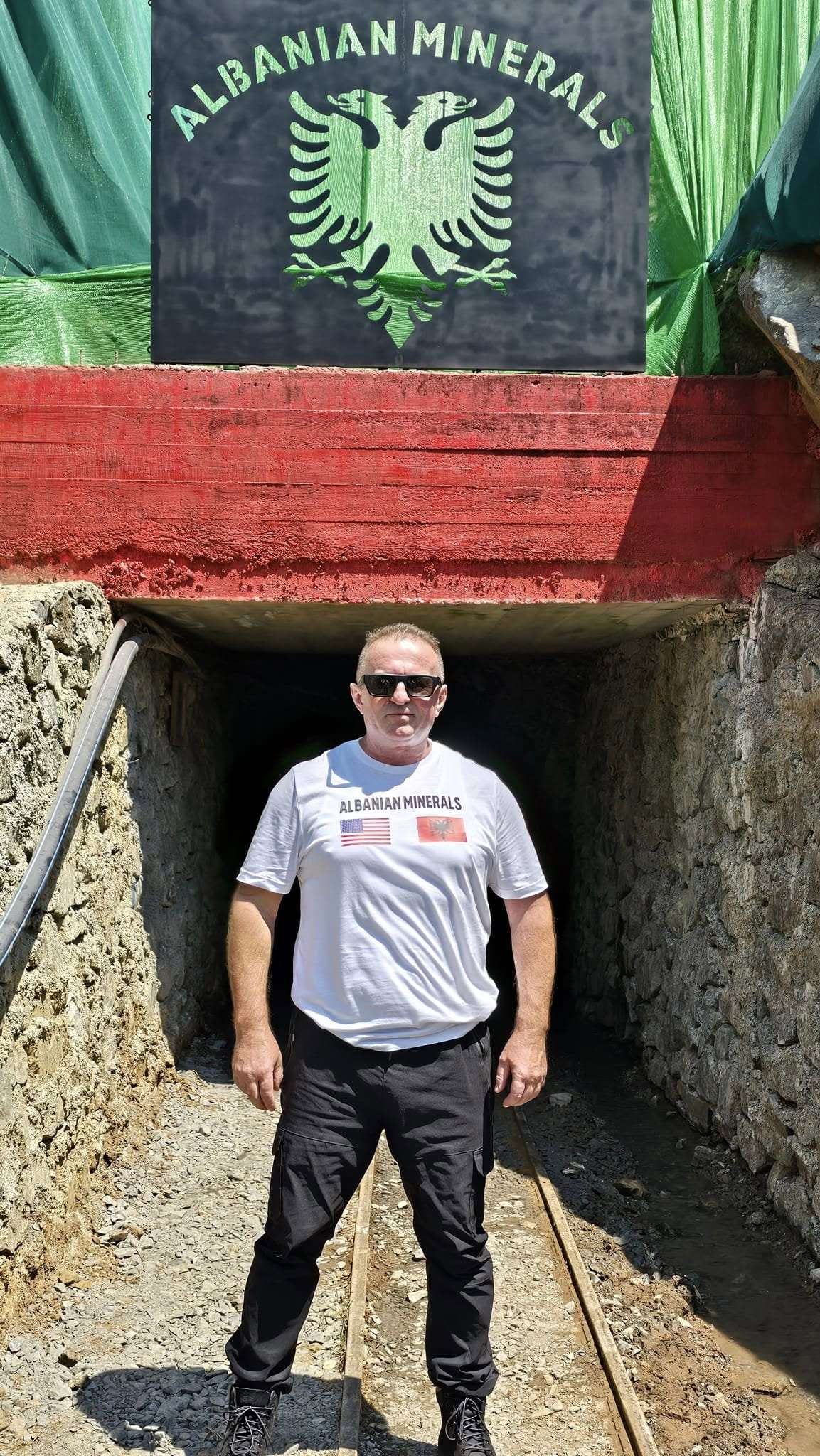
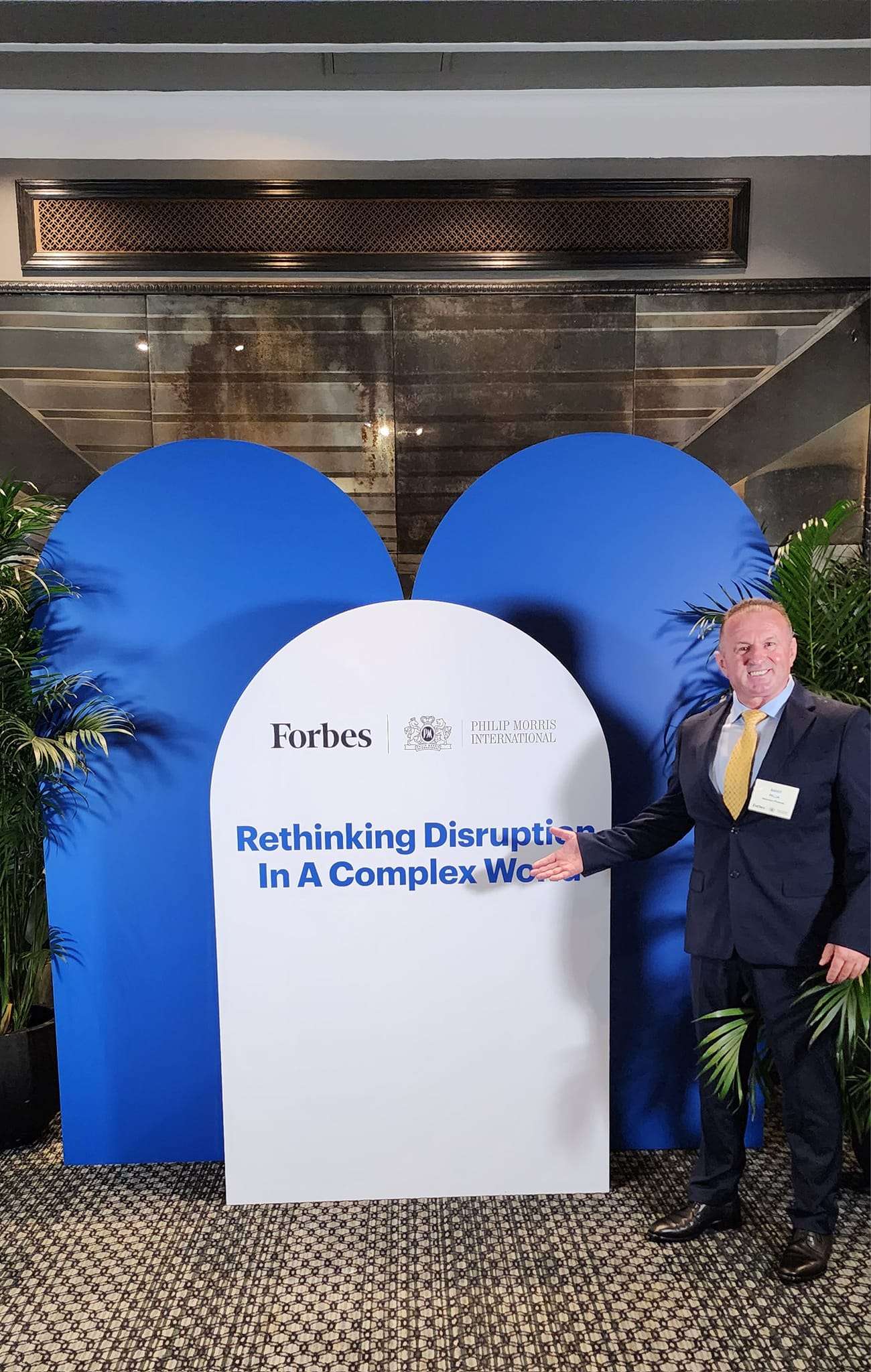
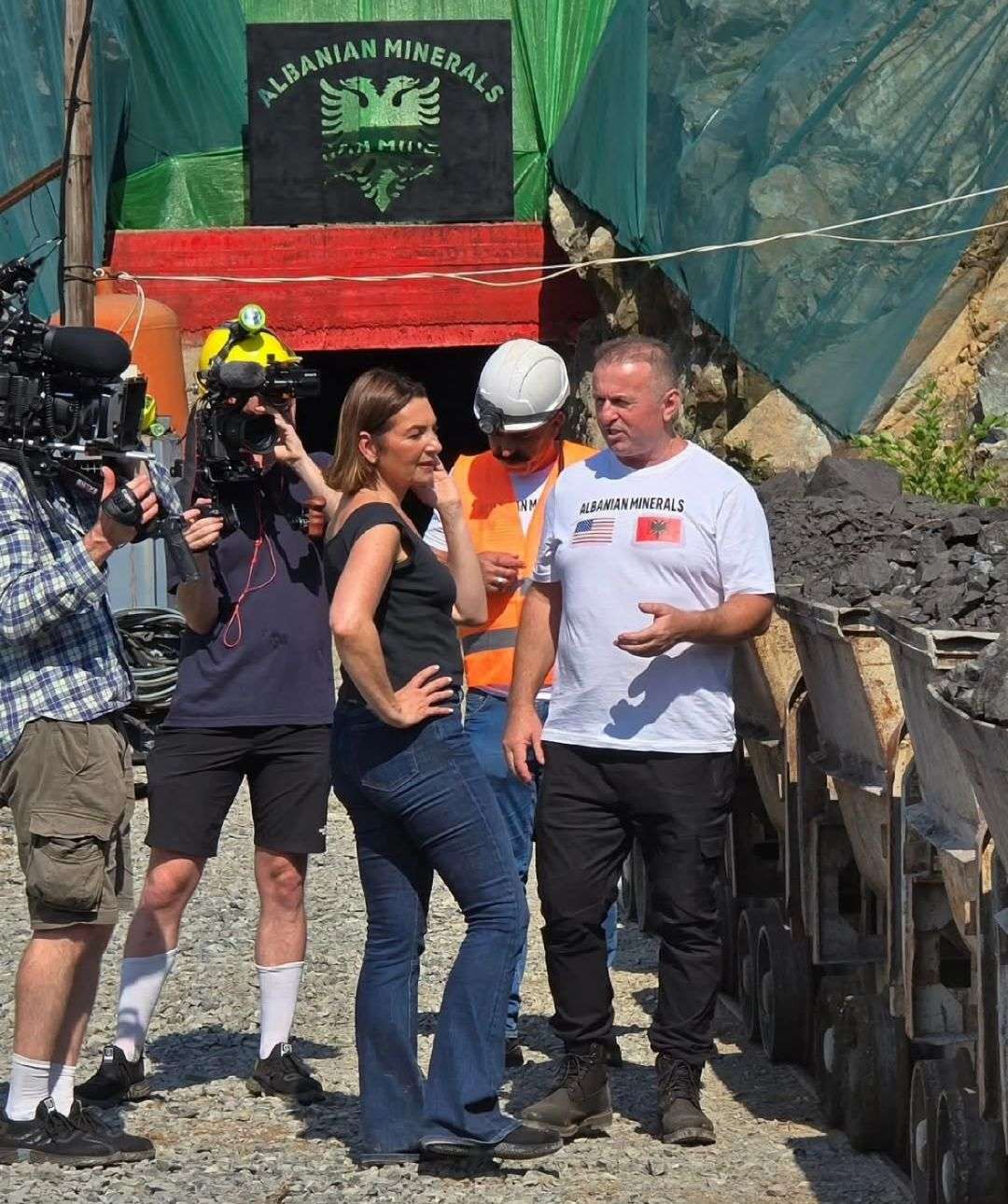
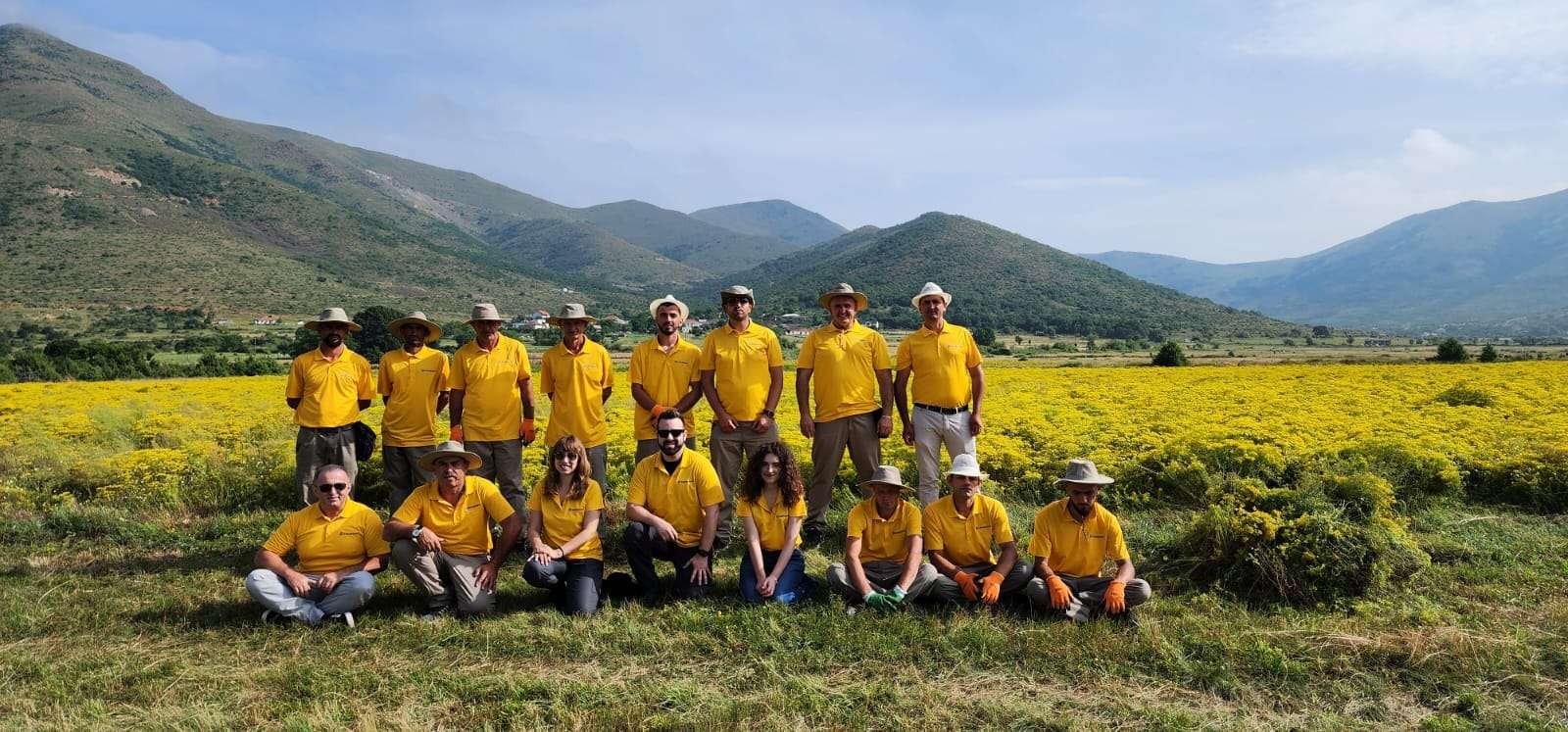
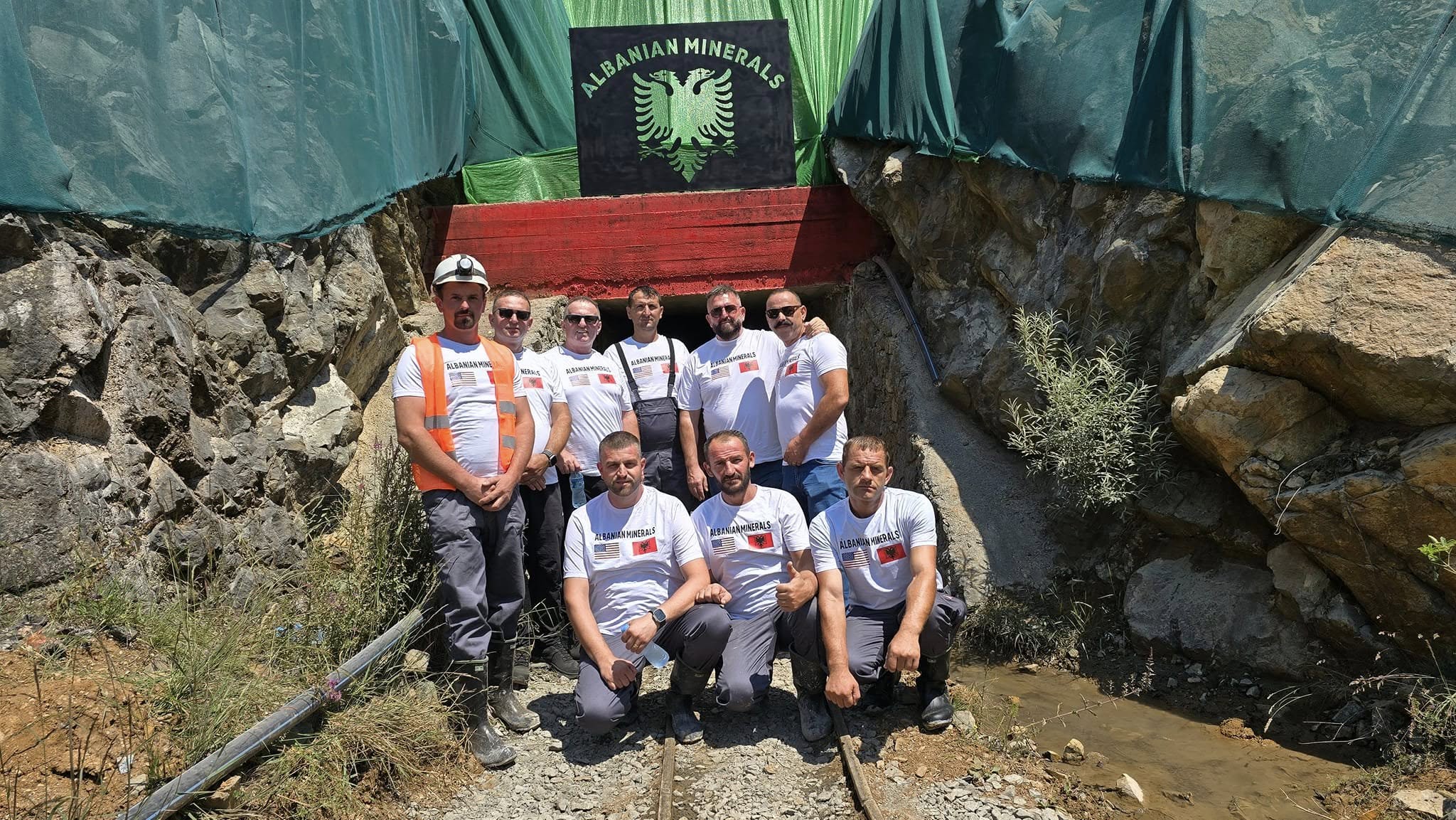
To understand the significance of this shift, I spoke with Sahit Muja, Founder and CEO of Albanian Minerals, who has long advocated for magnesium’s central role in sustainability. Muja’s perspective bridges scientific insight, ecological awareness, and strategic foresight.
“Magnesium has always been essential to life on Earth,” Muja told me. “What is new is our understanding of how deeply it can support not just biology, but the technologies and systems that define human progress.”
From Ancient Element to Strategic Material
Magnesium is one of the most abundant elements in the Earth’s crust. It is present in soils, oceans, plant tissue, and the human body. Yet, until recently, it remained peripheral to mainstream discussions about future materials.
That is changing.
Scientists now acknowledge magnesium’s fundamental role in ecological and biological systems—a foundation that extends to its emerging technological relevance. Magnesium sits at the core of chlorophyll, enabling plants to convert sunlight into energy. Without it, forests would fail to sequester carbon, crops would weaken, and the foundation of global food systems would erode.
In human physiology, magnesium is involved in hundreds of enzymatic processes, supporting energy metabolism, muscular function, nerve signaling, and cardiovascular stability. In aquatic systems, it contributes to chemical balance, buffering acidity and sustaining marine life.
“Magnesium is woven into the very fabric of life,” Muja explained. “Recognizing its centrality changes how we think about sustainability—not as a set of goals, but as a systems challenge that starts with the materials life depends on.”
A Breakthrough That Signals a New Direction for Energy
One of magnesium’s most discussed implications is in the field of energy storage—specifically, battery technology.
In early 2025, researchers at the University of Waterloo published a pivotal study outlining a novel magnesium‑based electrolyte capable of supporting efficient energy transfer in magnesium metal batteries. This development tackled long‑standing technical barriers and brought magnesium batteries significantly closer to practical application.
Many experts believe magnesium may address several limitations of lithium‑ion technology, which dominates current energy storage systems but faces structural constraints:
Limited supply chains
Rising material costs
Safety concerns related to dendrite formation
Environmental implications of lithium extraction
Magnesium, by contrast, is:
More abundant
Less costly
Less prone to safety failure
Potentially capable of higher energy density
“The Waterloo research was a watershed moment,” Muja said. “It didn’t create a commercial battery overnight, but it shifted the conversation. Suddenly, magnesium wasn’t just an alternative—it became a viable candidate for the future of energy storage.”
This breakthrough has profound implications for electric vehicles, grid‑scale storage, and renewable energy integration—systems that require materials capable of long‑term performance without compromising planetary health.
Beyond Batteries: A Material with Multidimensional Impact
Magnesium’s relevance extends far beyond energy storage.
In agriculture, magnesium improves soil structure, nutrient uptake, and plant resilience. In forestry, it supports sustained growth and carbon sequestration. In industrial materials, magnesium alloys offer strength and lightness in construction and manufacturing. In environmental chemistry, magnesium compounds can facilitate carbon mineralization—the long‑term stabilization of carbon dioxide into solid minerals.
These applications are practical and measurable, not speculative.
“Magnesium is unique because it intersects with so many systems we care about—food, energy, ecosystems, health,” Muja noted. “It supports life without destabilizing the systems that sustain it.”
This multi‑domain relevance is rare among materials. It situates magnesium not as a niche resource, but as a strategic material for the sustainability era.
A Resource With Ethical Responsibility
As magnesium’s importance becomes clearer, so does the question of how it is sourced and managed.
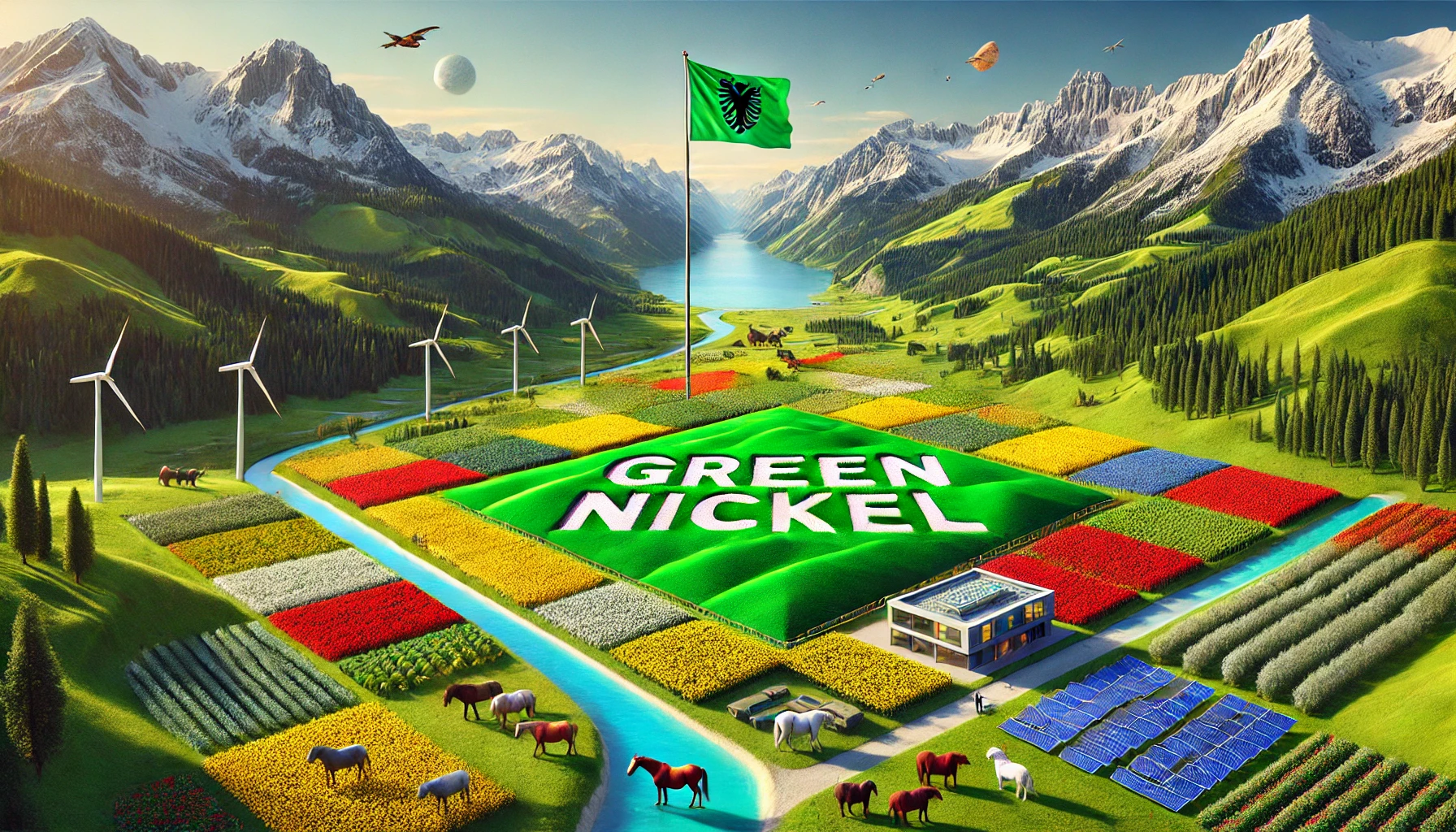
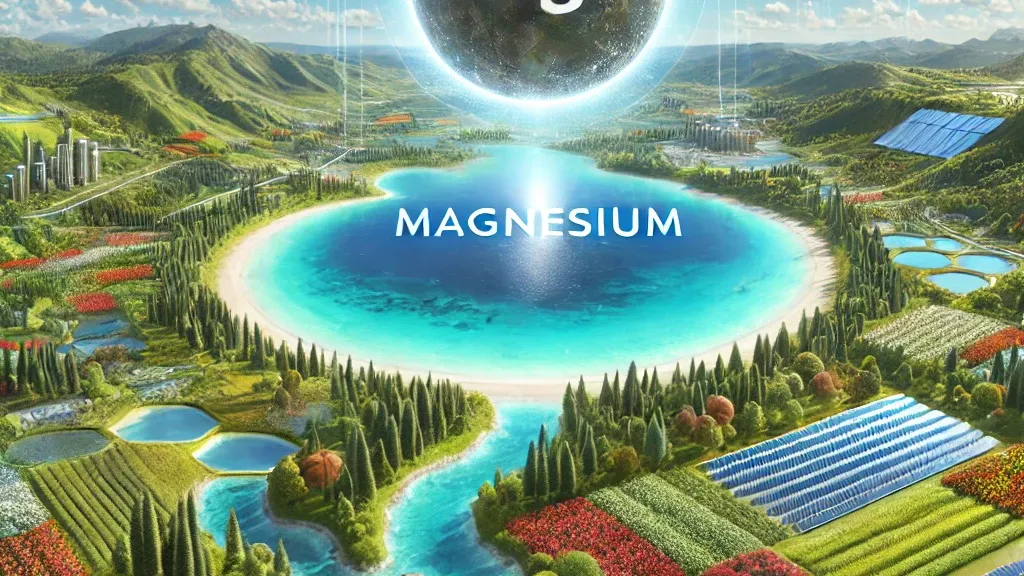
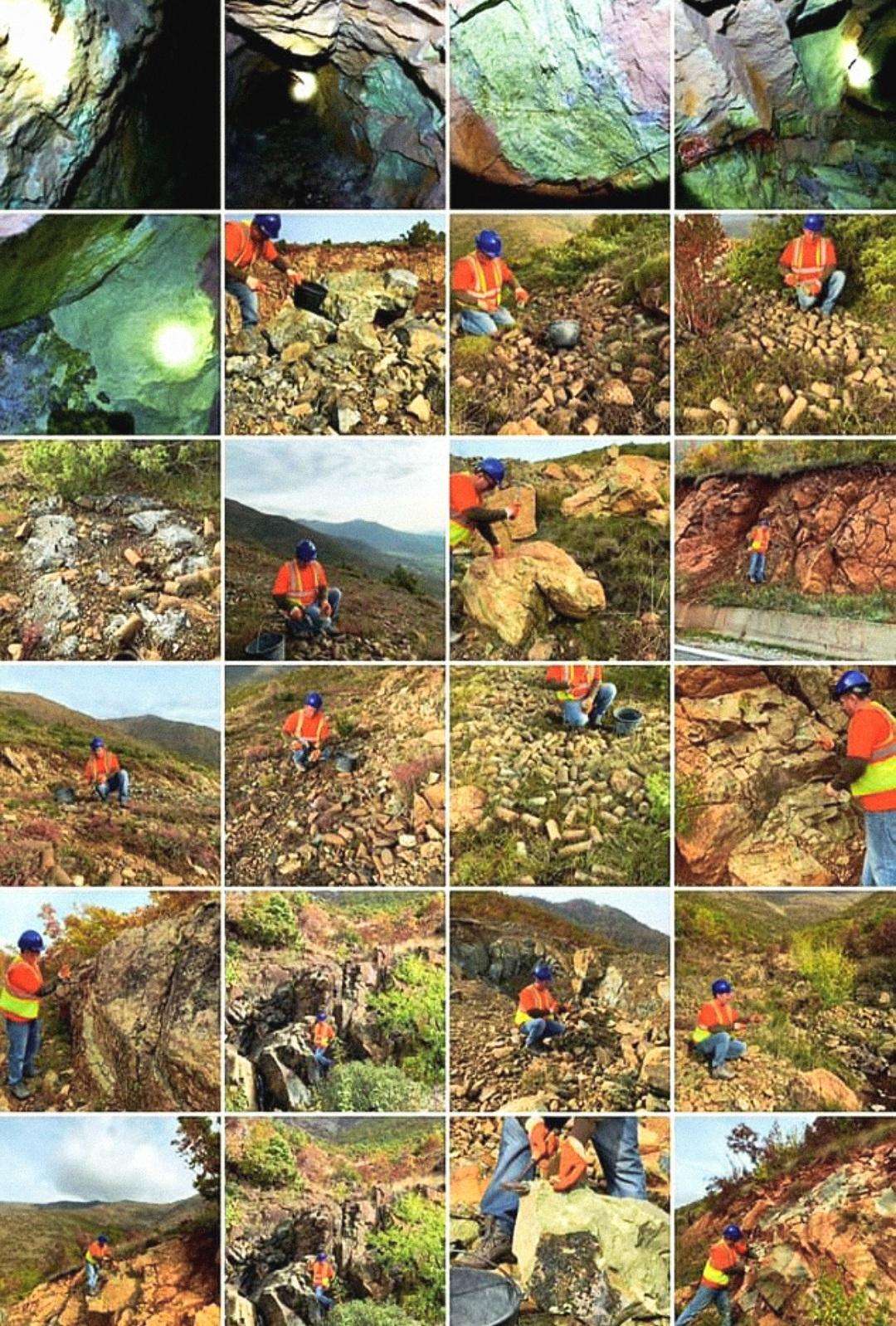
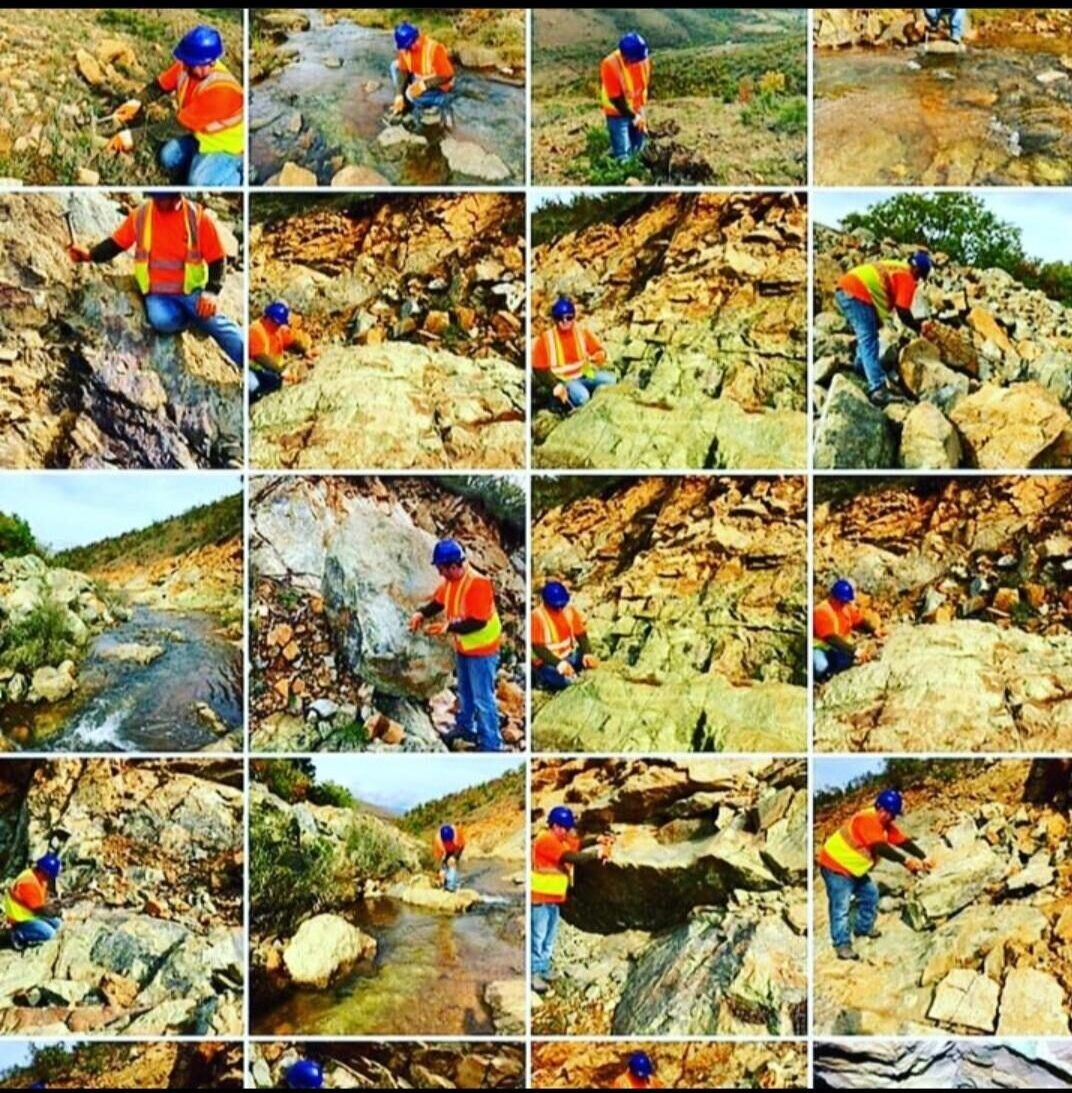
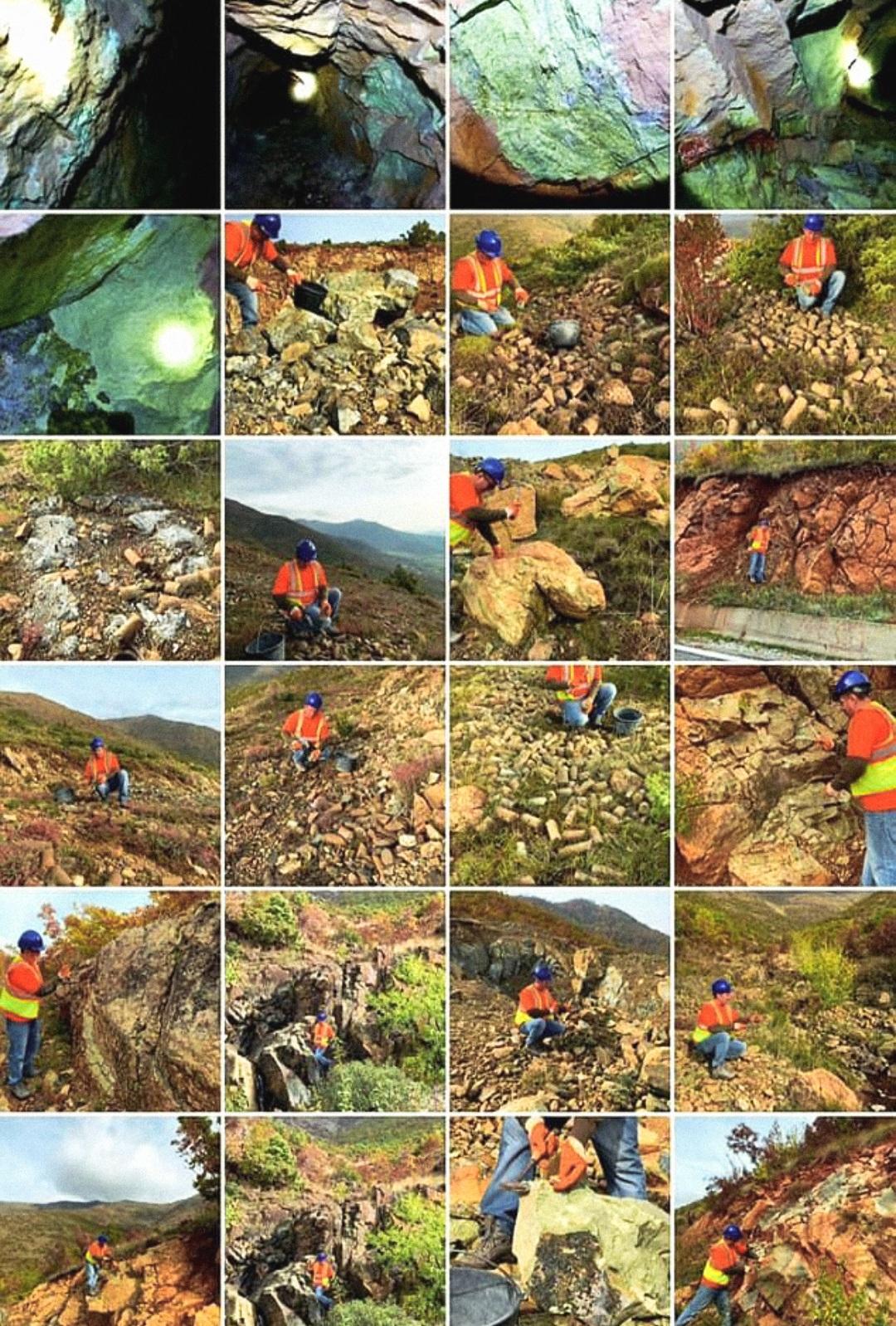
Albanian Minerals is recognized for stewarding what is currently the largest known green magnesium resource in the world. The company’s approach emphasizes responsible extraction practices, long‑term planning, and ecological sensitivity—an approach that reflects a broader shift toward resource stewardship over resource exploitation.
“Holding a resource of this scale is a responsibility, not just an opportunity,” Muja remarked. “We think in decades, not quarters. Our work must benefit ecosystems, communities, and future generations, not just immediate market demand.”
The term “green magnesium” refers not simply to geographic origin, but to how magnesium is extracted, processed, and integrated into production systems that minimize environmental disruption and maximize social benefit.
This philosophy aligns with broader sustainability goals, from reduced carbon emissions to the protection of biodiversity and water systems.
Human Health: An Underrated Dimension
Magnesium’s significance is not confined to technology and ecology. It also encompasses human health.
Modern agriculture and globalized food systems have contributed to widespread magnesium deficiency. This deficiency has measurable effects on metabolic balance, muscle function, neural communication, and cardiovascular health. Addressing magnesium insufficiency is, therefore, not a marginal health initiative—it is a foundational element of public well‑being.
“Health and sustainability are inseparable,” Muja emphasized. “A planet that nourishes the soil will nourish its people. Magnesium sits at that intersection.”
Healthy soils grow nutritious food. Nutritious food sustains healthy populations. This chain of cause and effect underscores how intimately ecological and human health are connected.
Policy, Innovation, and the Long View: In 2026, sustainability is no longer measured by ambition alone. It is measured by alignment—alignment between economic incentives and ecological limits, between technological innovation and biological reality, and between human systems and natural systems.
Magnesium exemplifies this alignment. It supports emerging energy technologies, enhances food security, stabilizes ecosystems, and contributes to human health—all without undermining the natural processes that sustain life.
For policymakers, this means investing in materials that facilitate systemic resilience, not just short‑term performance. For scientists, it means pursuing innovation that harmonizes with nature. For communities and global citizens, it means embracing resources that enable thriving, not merely extraction.
“The future we build must honor the logic of the natural world,” Muja said. “Magnesium invites us to do that. It reminds us that our systems can be powerful and sustainable at once.”
Conclusion: A Material for a Flourishing Future
No single material will solve all of humanity’s challenges. The issues of climate change, biodiversity loss, social equity, and economic stability are complex, interconnected, and evolving.
Yet magnesium is one of the rare materials whose natural role and technological utility converge. It supports life at every scale—from cellular metabolism to global energy systems. It enables human ingenuity without negating ecological balance. It participates in progress without demanding disruption.
As the world seeks stability in an unstable century, magnesium offers not a quick fix, but a foundation—a material capable of supporting the systems that matter most.
“Magnesium is not merely a metal,” Muja reflected. “It’s a principle of continuity. When we choose materials that align with life, we build not just technologies, but futures.”